SmartStamp is a secure, technology-enabled stamping system designed to modernize traditional document validation processes. By integrating physical stamps with digital authentication, tracking, and cloud-based verification, the platform transforms static approval workflows into traceable, auditable systems. SmartStamp strengthens security, increases transparency, and reduces fraud by linking every physical stamp action to a verified digital record in real time.
Project Type
Product Strategy
UX & UI Design
System Architecture
Dashboard Design
Skills
User Research
Information Architecture
Interaction Design
Security-Oriented UX
Prototyping
Compliance-Focused Design
Client
My Role
UI & UX Design
Product Strategy
System Architecture
Prototyping
For SmartStamp, I led the UX and product development of a secure, technology-enabled stamping system that bridges physical validation with digital verification. I designed the interaction architecture for the admin dashboard, structured authentication workflows, and developed a scalable interface system for monitoring and compliance.
My focus was creating a secure, intuitive experience that simplifies complex tracking processes while maintaining clarity, reliability, and trust across institutional environments.
Main Challenge
The core challenge was transforming a traditionally analog approval process into a secure, traceable digital ecosystem without overcomplicating the user experience.
The system needed to integrate physical stamps with digital identity, real-time logging, and verification workflows, all while remaining simple for daily operational use. Balancing security requirements, compliance standards, and usability was essential. The interface had to communicate trust, control, and transparency while supporting administrators in monitoring stamp usage across multiple users and locations.
Target audience
SmartStamp is designed for institutions and organizations that rely on official document validation processes. Primary users include government offices, legal and notary services, financial institutions, and corporate compliance teams.
Secondary stakeholders include administrators and auditors responsible for oversight, traceability, and regulatory adherence. The platform supports organizations seeking stronger fraud prevention, operational accountability, and digital transformation of approval workflows.
Our Solution
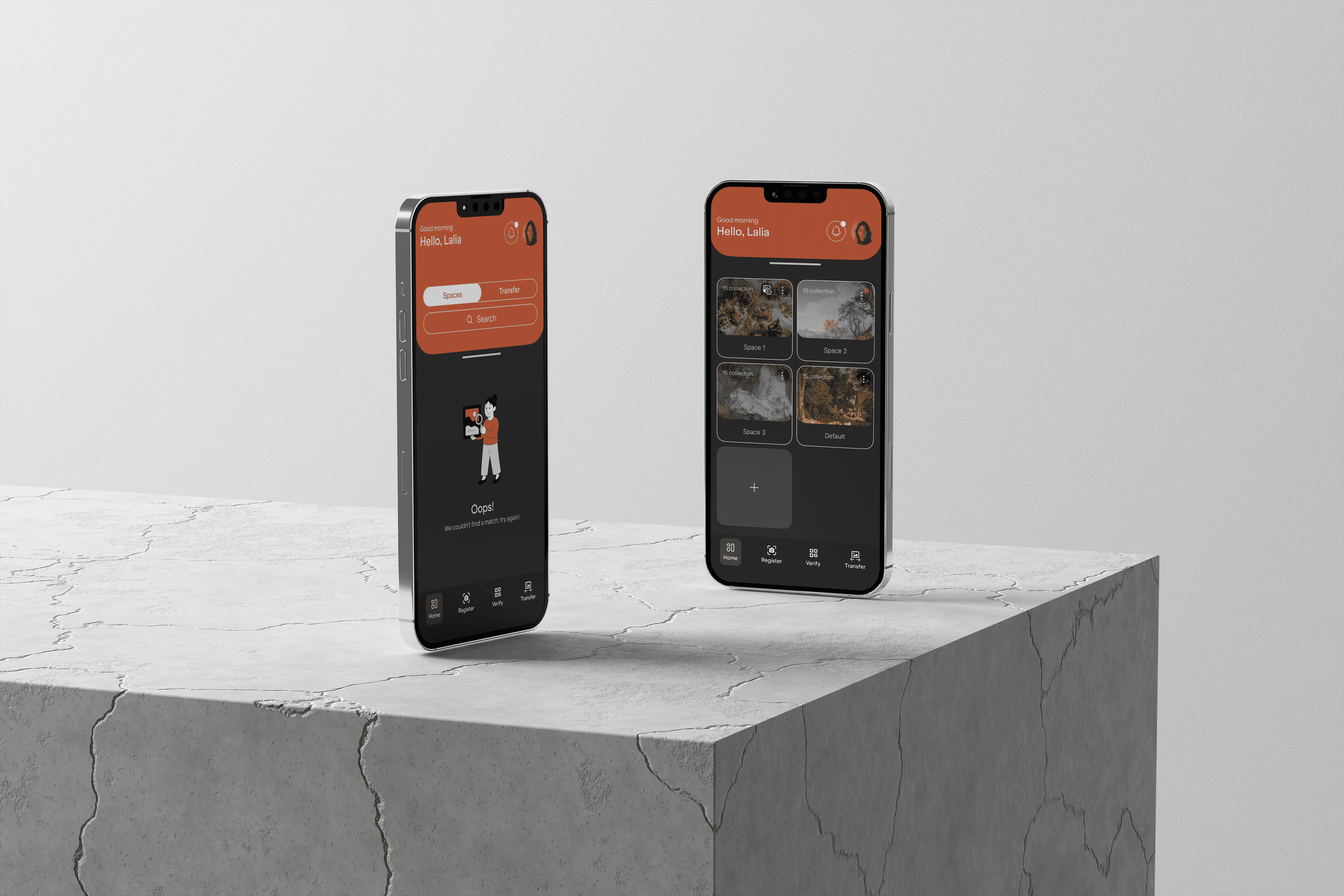
SmartStamp introduces a secure hybrid system that connects physical stamps with a centralized digital verification platform. Each stamp is assigned a unique digital identity and linked to real-time tracking, authentication logs, and cloud-based records.
Through QR or NFC integration, documents can be instantly verified, while administrators monitor usage through a structured dashboard. By combining physical validation with digital traceability, SmartStamp increases document security, reduces forgery risks, and enables transparent, audit-ready workflows.
Research
Our research for SmartStamp focused on understanding how authenticity, provenance, and trust are managed within contemporary art transactions. We explored how physical validation methods intersect with digital documentation, and how artists, galleries, collectors, and sellers experience friction in verifying originality and ownership.
The goal was to design a system that strengthens trust without disrupting existing creative and commercial workflows.
Market and Ecosystem Analysis
We analyzed the contemporary art ecosystem, identifying key pain points in authentication, resale verification, and documentation management.
The art market still relies heavily on physical certificates, manual signatures, and fragmented digital records. Fraud, forgery, and unclear provenance remain significant risks, especially in secondary sales and private transactions.
This analysis revealed an opportunity: a hybrid system that combines physical stamping with secure digital tracking could enhance credibility while preserving traditional validation practices.
Through conversations with the founders and interviews with artists, galleries, and collectors, we identified core priorities within the art authentication ecosystem:
Trust & Authenticity Assurance: Create a system that strengthens credibility without replacing traditional validation rituals.
Seamless Workflow Integration: Integrate digital tracking into existing art sales and certification processes without adding complexity.
Institutional-Grade Security: Provide a tamper-resistant, traceable authentication framework suitable for high-value transactions.
Key Findings
Hybrid Validation Preference: The art market values physical proof (stamps, certificates, signatures), but welcomes digital reinforcement when it enhances trust without disrupting tradition.
Friction in Secondary Sales: Verification becomes most critical during resale and private transactions, where provenance is often unclear or fragmented.
Clarity Over Complexity: Users across all groups avoid overly technical systems. The interface must feel discreet, intuitive, and trustworthy rather than “tech-heavy.”
Understanding User Needs
Trust is Central: The art market operates on reputation and credibility. Any digital system must reinforce — not replace — traditional validation rituals.
Simplicity Over Complexity: Users avoid overly technical systems. The solution must feel intuitive and discreet.
Hybrid Preference: Physical validation (stamps, signatures) remains culturally important, but users welcome digital reinforcement if seamlessly integrated.
Transparency in Secondary Markets: Verification becomes most critical during resale, cross-border sales, and private transactions.
Key Findings
• Gamification Elements: A desire for game-like experiences that blend creativity and competitive engagement.
• User-Friendly UI: The need for a simple, intuitive interface that facilitates seamless navigation for all users.
• Community Features: A demand for features that promote collaboration, feedback, and community building.
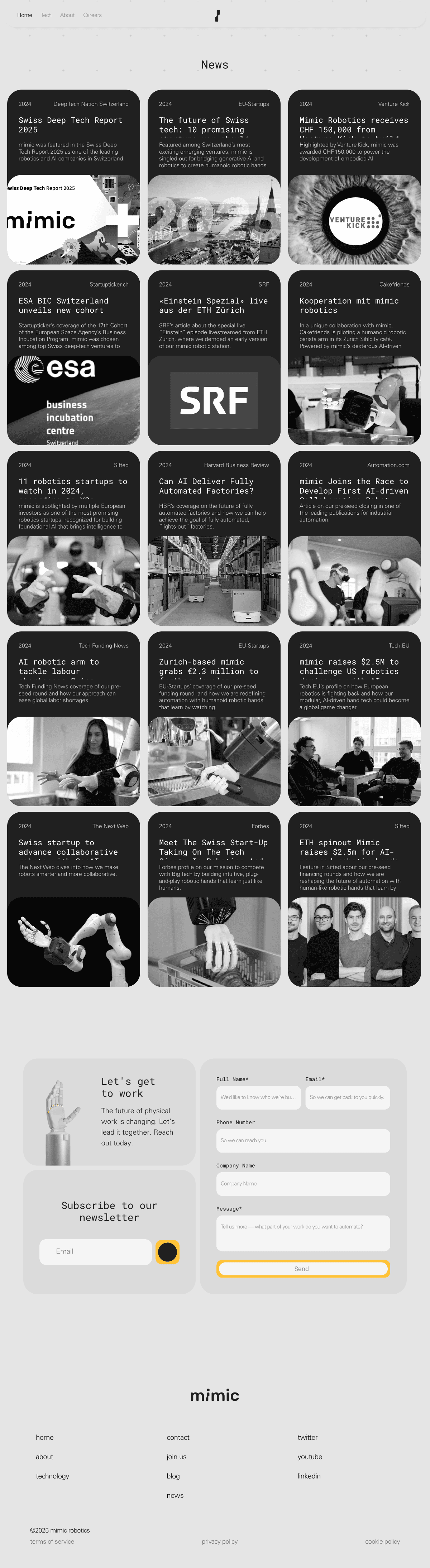
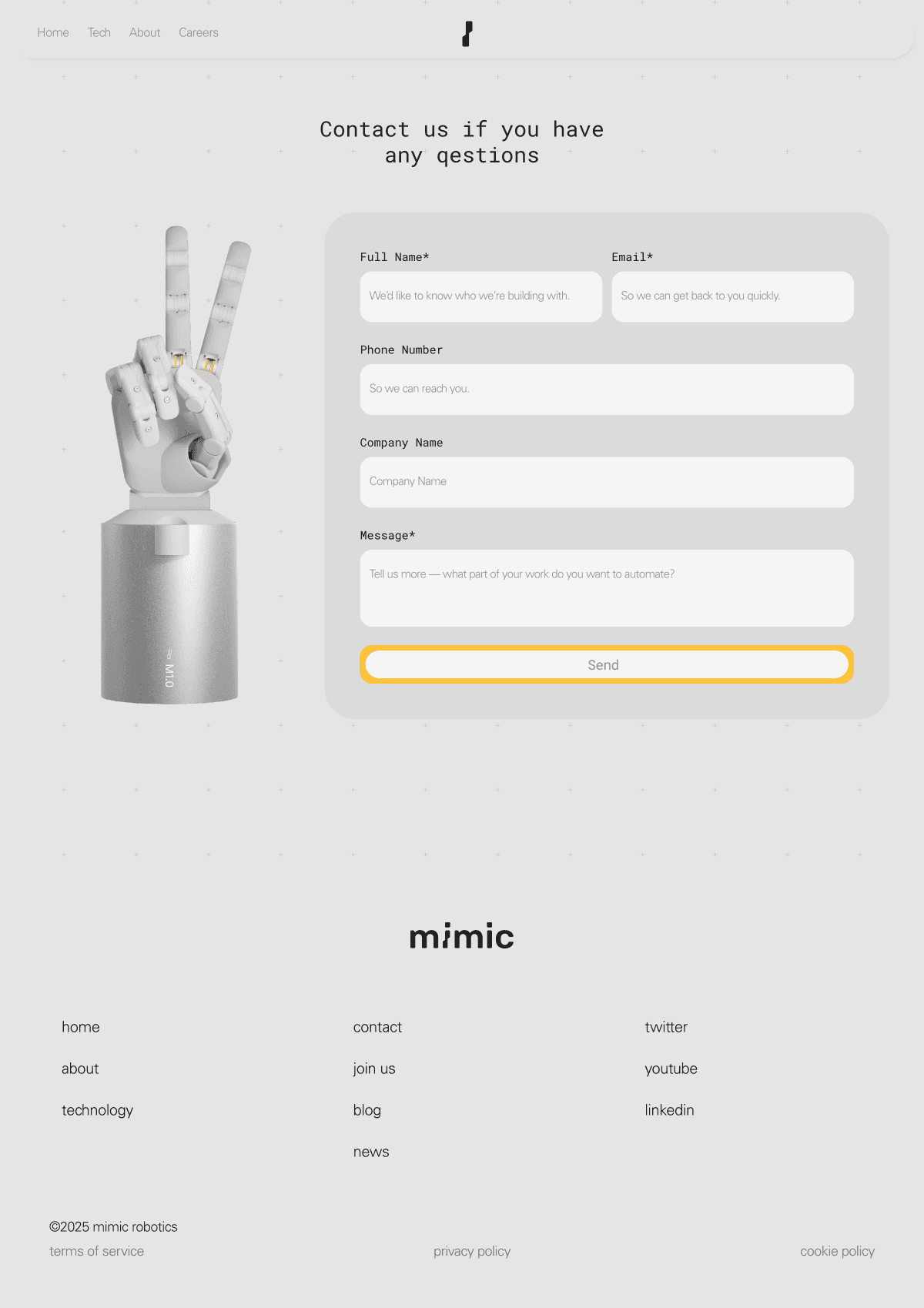
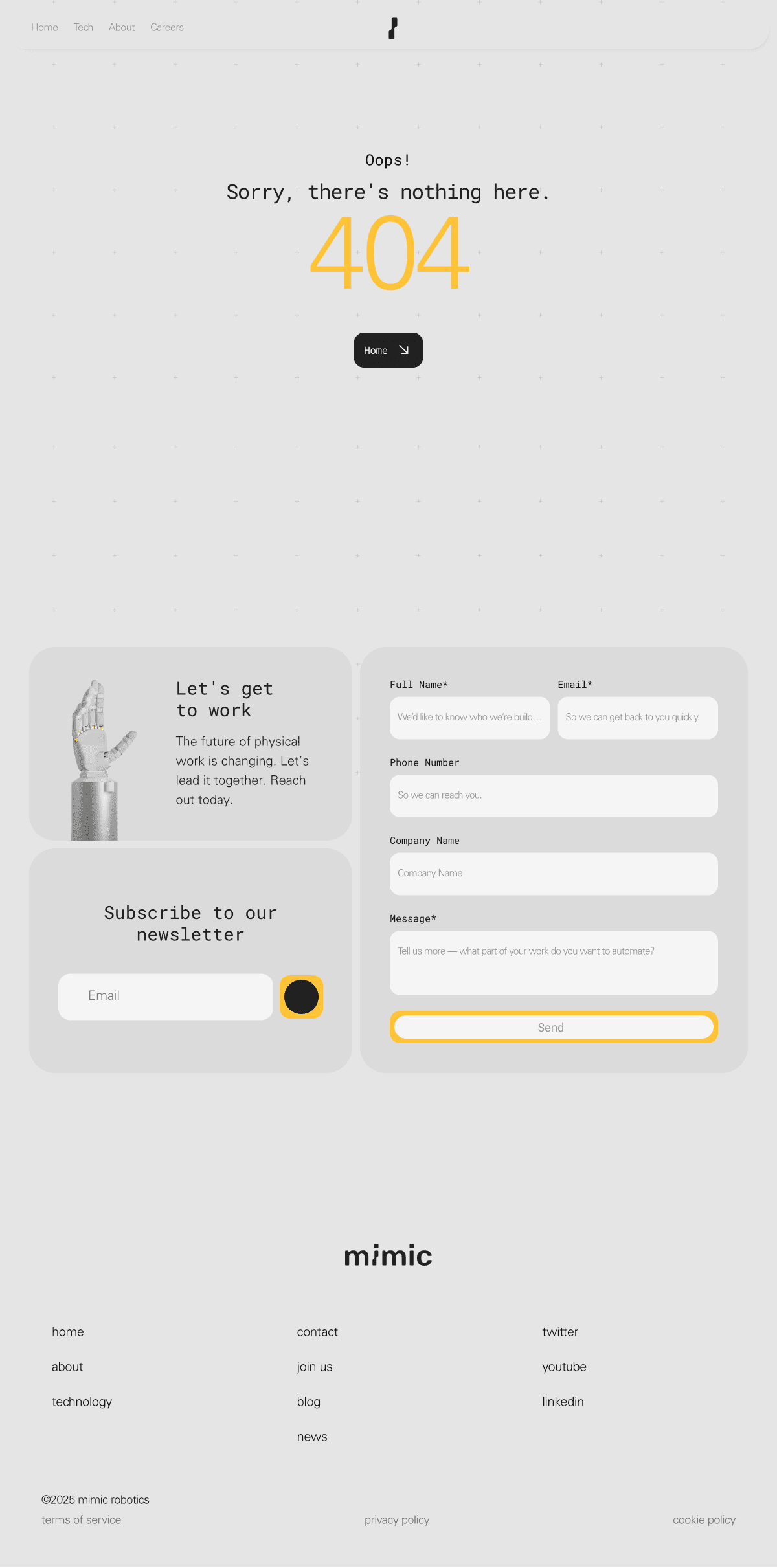
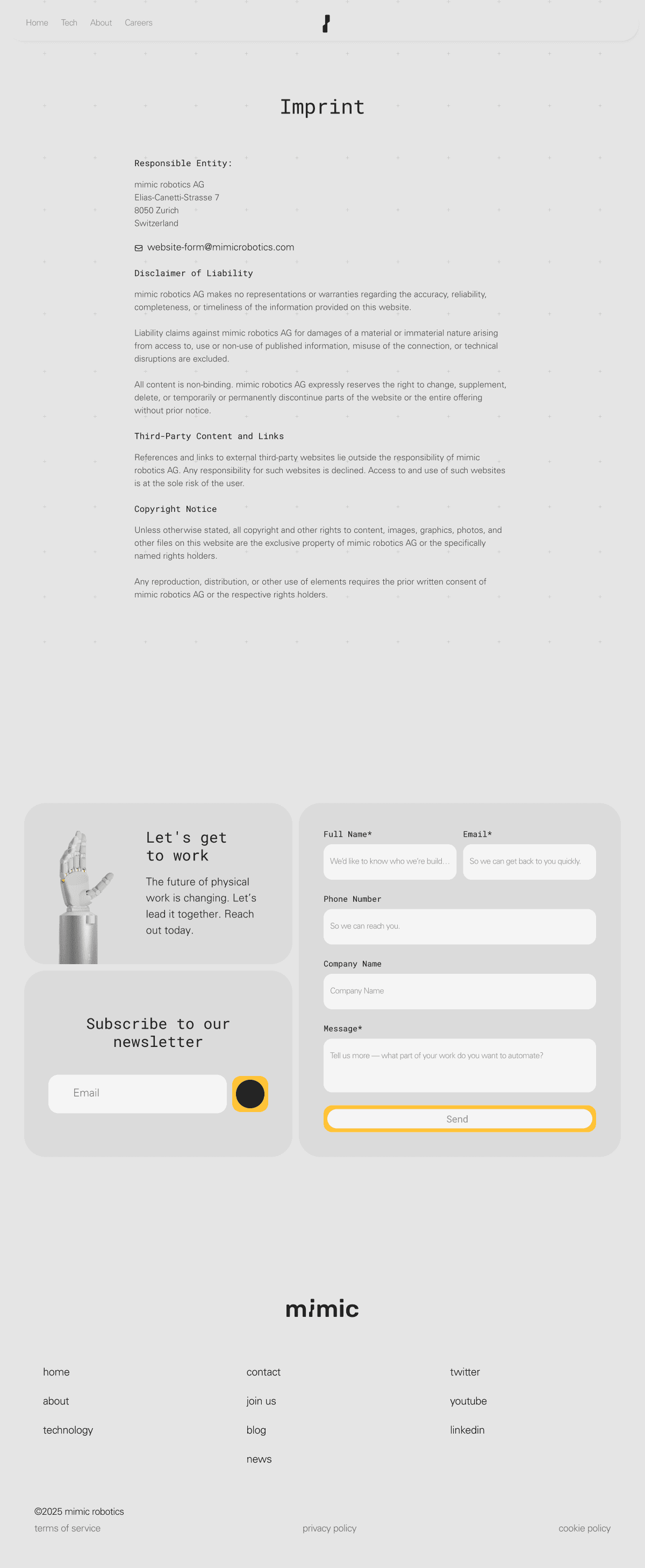
Wireframes
The wireframe assisted us in incorporating the interface into the design.


Concept Development
Information Architecture
User Flow
Game Mechanics & Reward System
Visual Identity
The Mimic Robotics identity combines clean modular design with bold, utilitarian aesthetics. Typography is structured and legible, echoing technical precision, while the color palette contrasts vibrant signal yellow with industrial greys and deep black, reflecting both innovation and reliability. The result is a crisp, future-facing brand language built for real-world interaction and digital clarity.
Understanding User Needs
Our research included over 25 interviews and surveys with street artists, graffiti enthusiasts, and digital creators, uncovering key user needs and pain points:
• Precise AR Art Placement: Users want tools that allow them to accurately place and showcase their art in real-world settings.
• Competitive Gameplay: There is a strong interest in gamified elements, like defending and claiming virtual territories.
• Community and Engagement: A space where artists can comment, like, and build a community around their creations.
These insights shaped the development of “Visible,” ensuring that the app caters to both novice and experienced users who value creativity, competition, and community.
Key Findings
• Gamification Elements: A desire for game-like experiences that blend creativity and competitive engagement.
• User-Friendly UI: The need for a simple, intuitive interface that facilitates seamless navigation for all users.
• Community Features: A demand for features that promote collaboration, feedback, and community building.
Defining User Profiles
Persona
From interviews and contextual research, we defined representative personas across the art ecosystem.
Field Research and Direct Feedback
Immersed ourselves in the street art scene by attending events, joining workshops, and testing prototypes with real users. This approach helped us fine-tune features like AR art placement, interactive navigation, and competitive elements to better meet user needs and expectations.
• Prototyping & Testing: Conducted iterative user tests in real-world settings to optimize the AR experience and gameplay mechanics.
• User Feedback Integration: Adjusted design elements based on direct feedback to improve usability and engagement.
Technology Exploration
Researched AR frameworks like Immersal to learn about precise scene detection, cross-platform compatibility, and powerful creation tools, solidifying its position in urban art and AR gameplay.
• Open-Source AR SDKs: Leveraged tools from leading platforms to integrate advanced AR functionalities.
• Scenery Detection and Mapping: Developed technology for accurate virtual art placement in varied environments.
• Cross-Platform Capabilities: Built features that support both smartphone and AR glasses to enhance accessibility and user experience.
Information Architecture
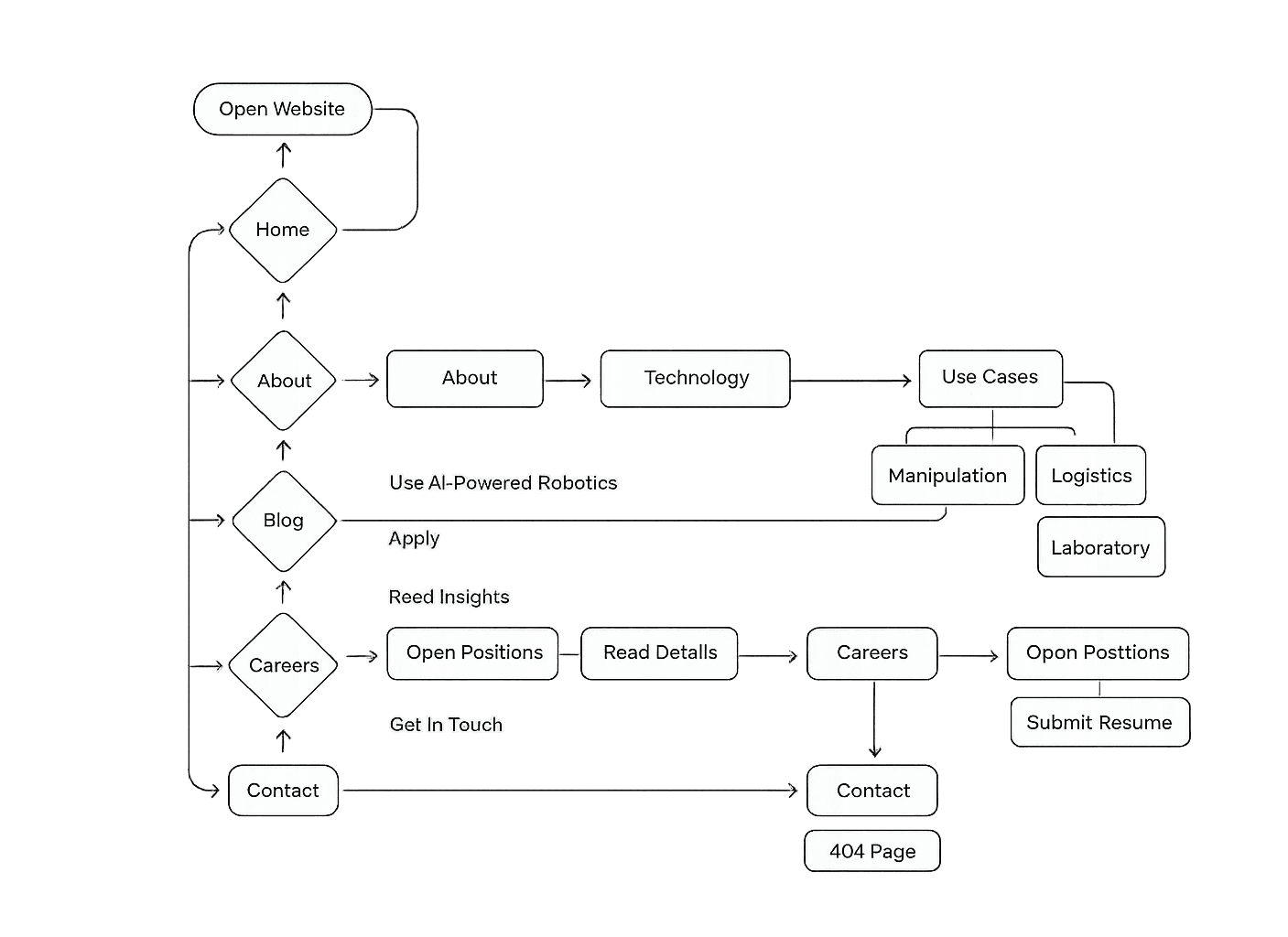
The architecture emphasizes clarity, depth, and modular structure. Visitors are guided through Mimic’s mission, robotics technology, and product ecosystem via structured navigation and interactive touchpoints. Key flows include exploration of modules, research use cases, and hardware-software integration. The experience supports quick access to documentation, applications, and product configurations, making the website both a discovery hub and technical resource.
The foundation of Mimic Robotics draws inspiration from the expressive minimalism of Teenage Engineering: prioritizing tactile interaction, playful modularity, and clean, intentional design. Mimic’s hardware and digital system are built to empower users to prototype, reconfigure, and explore robotics through an open, accessible platform. Every component is designed for clarity, encouraging hands-on experimentation while maintaining a refined aesthetic that resonates across educational, creative, and technical audiences.
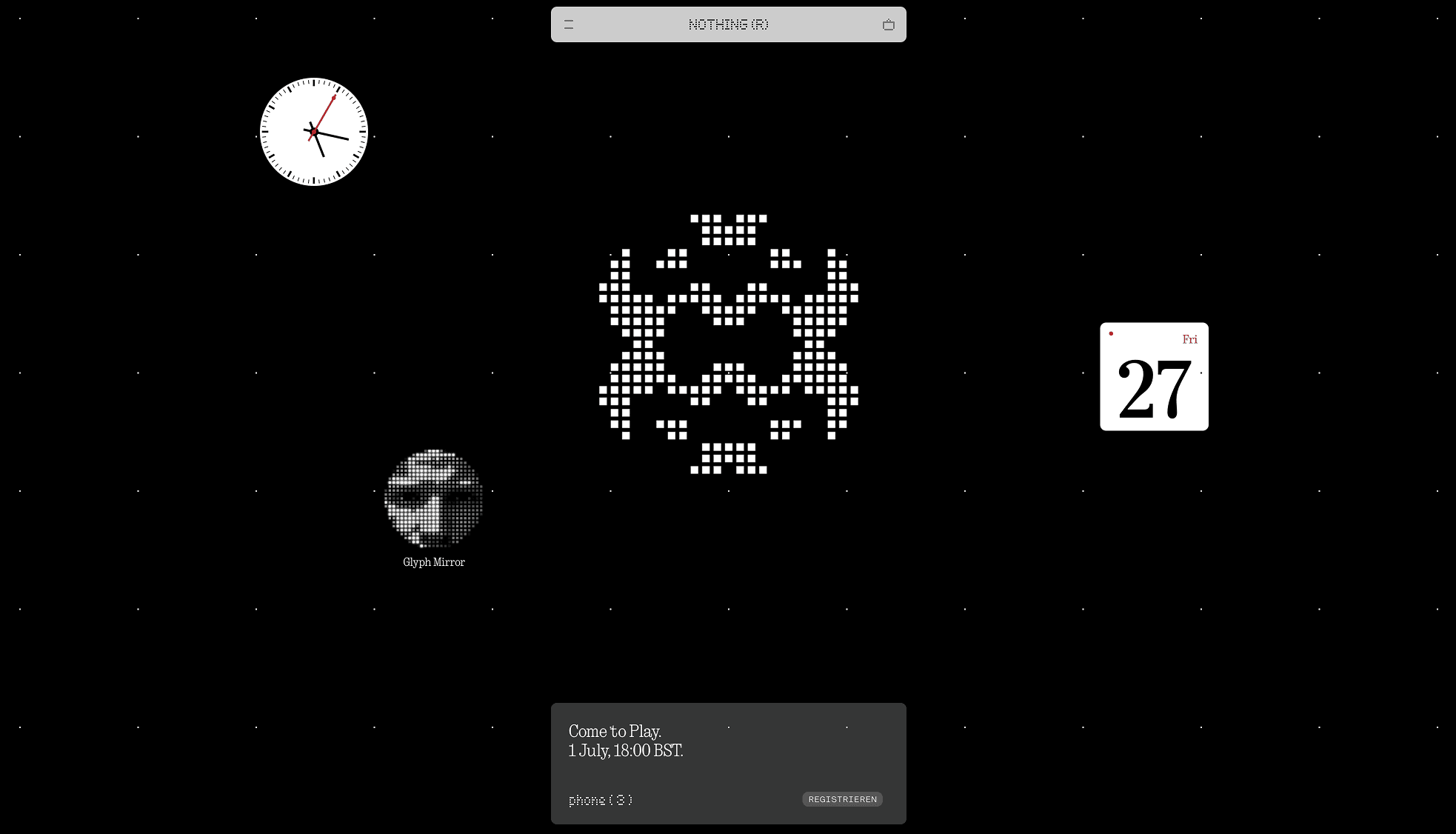
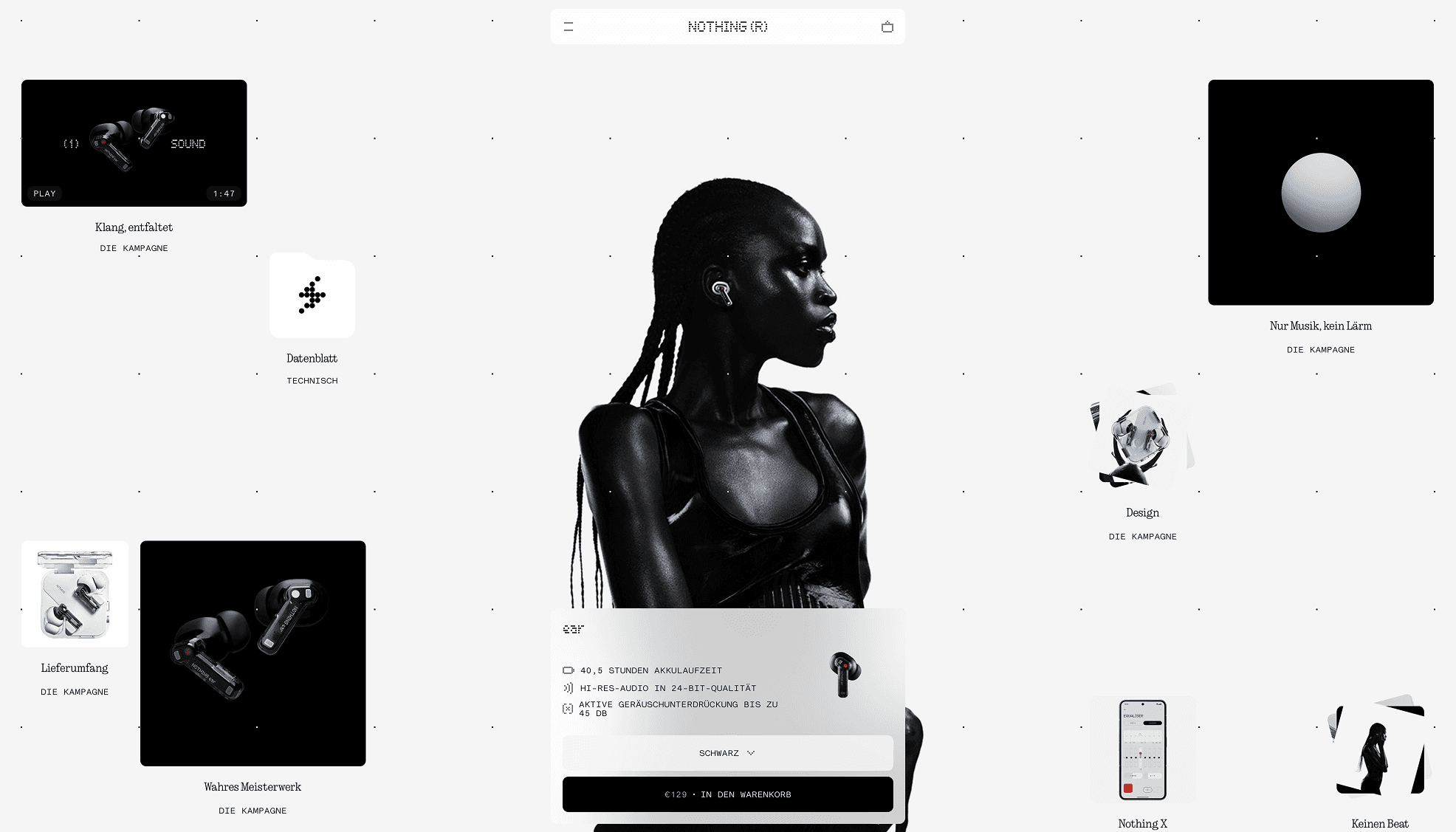
The visual identity of Mimic Robotics draws inspiration from the sleek, modular language of Teenage Engineering and the tactile clarity of high-end industrial design. The moodboard explores a clean, futuristic aesthetic, merging mechanical precision with playful interaction. Color accents, stark contrasts, and high-detail renderings bring energy to minimal layouts, while rounded forms and interface clarity evoke a sense of intuitive functionality. Every reference reinforces a product experience that feels both expressive and engineered—designed for creators, not consumers.

The iconography is minimal, technical, and purpose-driven. Line-based, monochrome symbols reflect core themes of innovation, automation, and precision, while maintaining a bold, recognizable visual language. Each icon is designed for clarity and scalability across both hardware and digital applications, reinforcing the brand’s futuristic yet functional identity.
The rendering style is soft, realistic, and minimal. It highlights form and function with neutral tones, diffused lighting, and subtle textures. Materials are shown accurately to convey quality and approachability, reflecting Mimic’s precise yet human-centered design.