Bachelor's Project
Lucallian
Lucallian is an equestrian innovation project that uses 3D scanning technology to simplify saddle fitting.
The app allows riders to independently measure and order custom saddles tailored to the biomechanics of both horse and rider.
- Year
- 2023
- Project Type
- Bachelor's ProjectEnd-to-end ServiceProduct DesignUX/UI
- Duration
- 6 months
- Team
- Dzhuliia Kolodko
- Mentors
- Jordane VernetSandra KaufmannIsabella Ilchmann
- Mentored
- Accenture Song (Fjord)
- Collaboration
- ZHdK UniversityAlter EgoOpen DressCastyETH SPHNtop
- My Role
- Product ResearchConcept DevelopmentUI & UX DesignIdeating DesignPrototyping | Digital & PhysicalBranding DesignProject ManagementCAD | RenderingEditing | Film | Photography
Short read
My Role
Our BA project was a collaborative effort between Dzhuliia Kolodko, specializing in Interaction Design, and myself, specializing in Industrial Design. This partnership was instrumental, as our unique perspectives greatly influenced and enriched each other's work throughout the project.
Users
Our users are both professional and hobby riders focused on health-centered saddles. Professionals need durable, customizable options for frequent use, while hobby riders prioritize comfort to reduce pain and improve posture.
My Main Challenge
Choosing the right saddle is difficult, as both generic and custom options often ignore the precise biomechanics of rider and horse. Manual fitting lacks standardization and can be costly. Additionally, most saddle designs overlook gender-specific rider biomechanics, causing discomfort and limiting options for female riders.
Trend Identified: Most saddle-fitting devices only assess the fit of existing saddles and suggest adjustments, rather than providing precise, ready-to-use measurements for creating new, custom saddles.
Technology Trust: Users expressed concerns about unfamiliar technology and trust in the traditional equestrian industry.
Our Solution
Our solution combines 3D scanning and precise measurements to create custom-fit saddles tailored to the unique biomechanics of both rider and horse, ensuring enhanced comfort, performance, and health for all equestrians.
Comprehensive Research-based Fitting System
After conducting comprehensive desk and field research, we gathered sufficient data and insights to develop our own measurement system for both rider and horse, aimed at achieving an anatomically tailored fit. We meticulously considered all details and measurement points that are often overlooked by traditional saddle makers.
Saddle-Tree Design
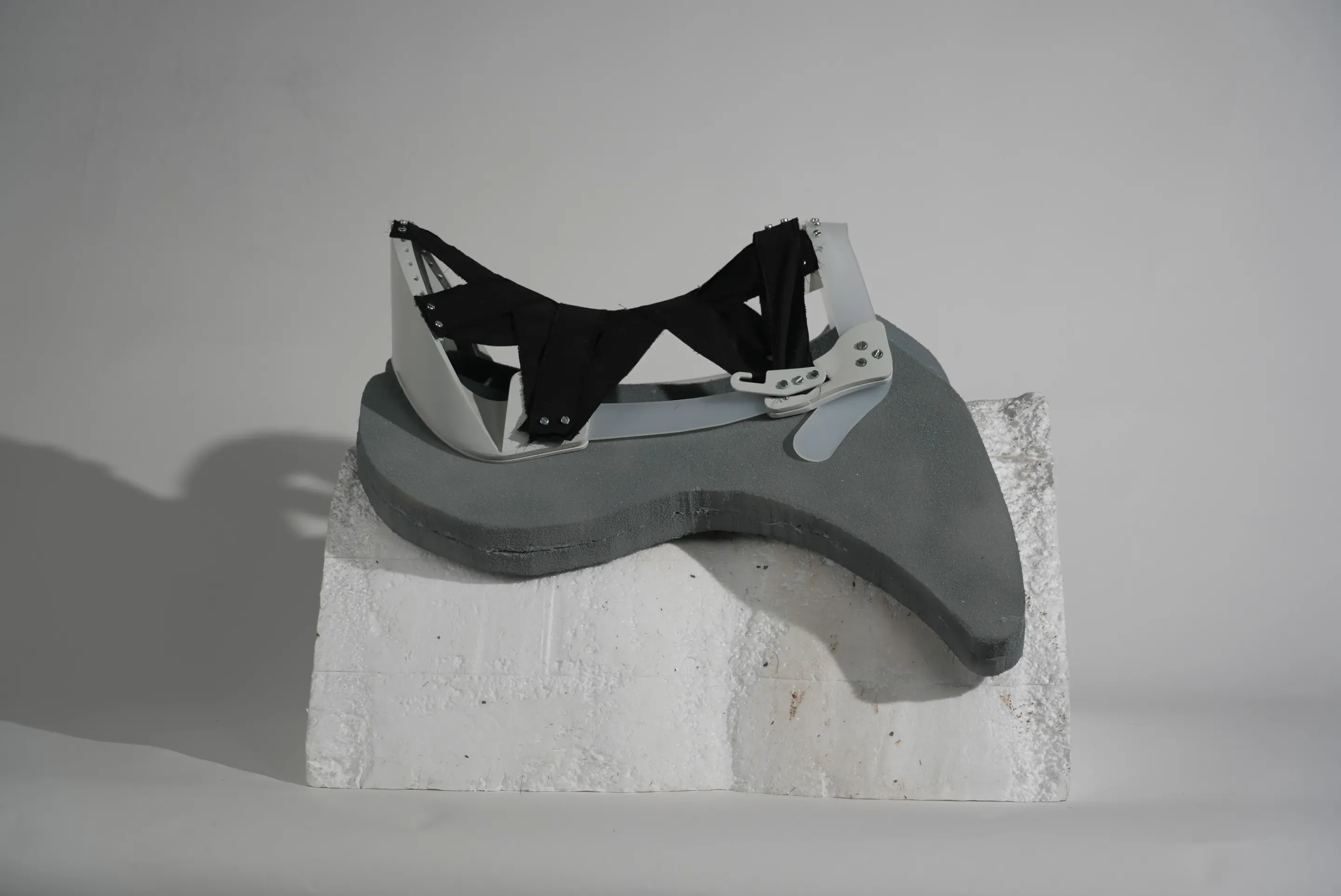
Designing a saddle tree that incorporates these measurements allows us to blend mass-produced generic components with personalized, gender-specific adjustments. This approach ensures a tailored, long-lasting fit, particularly suited for female riders.
Saddle-fitting Application
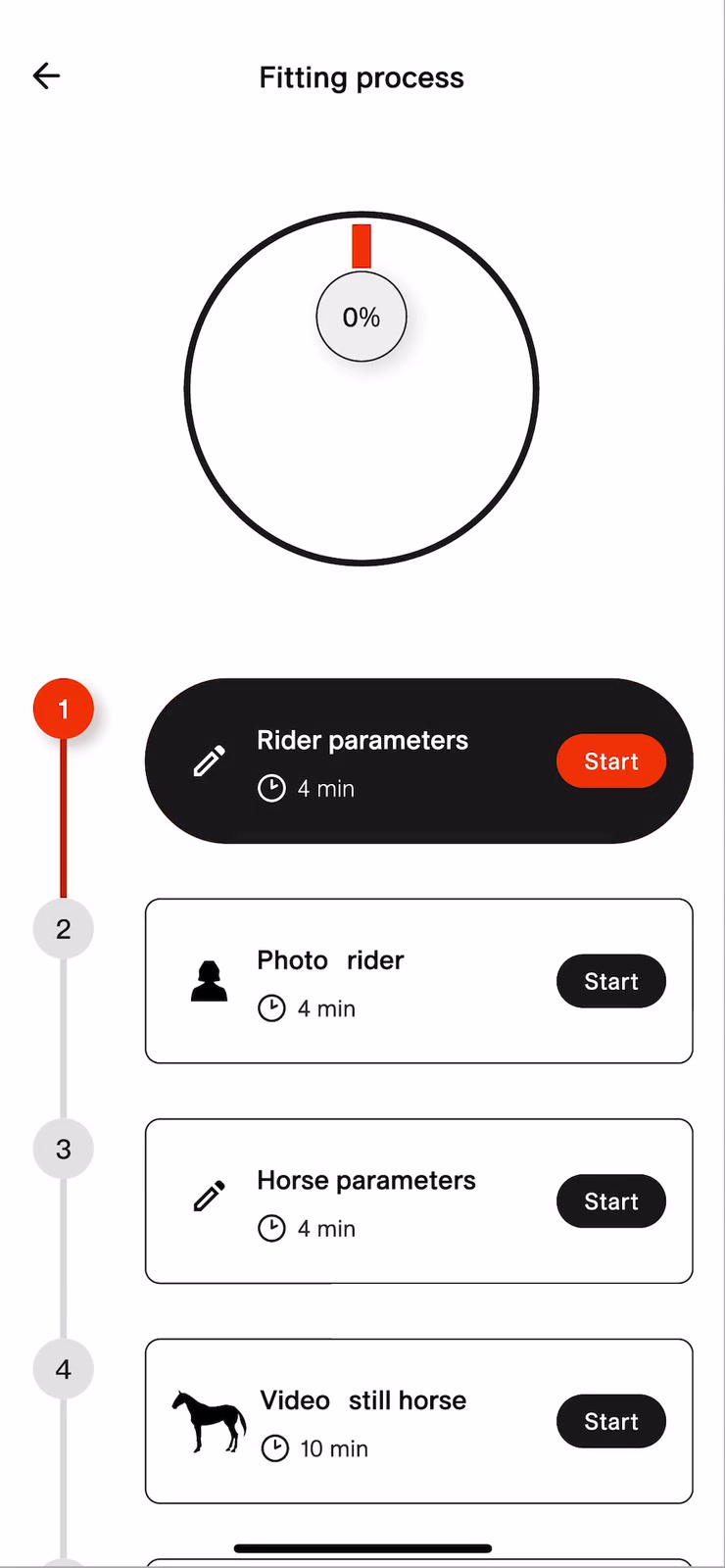
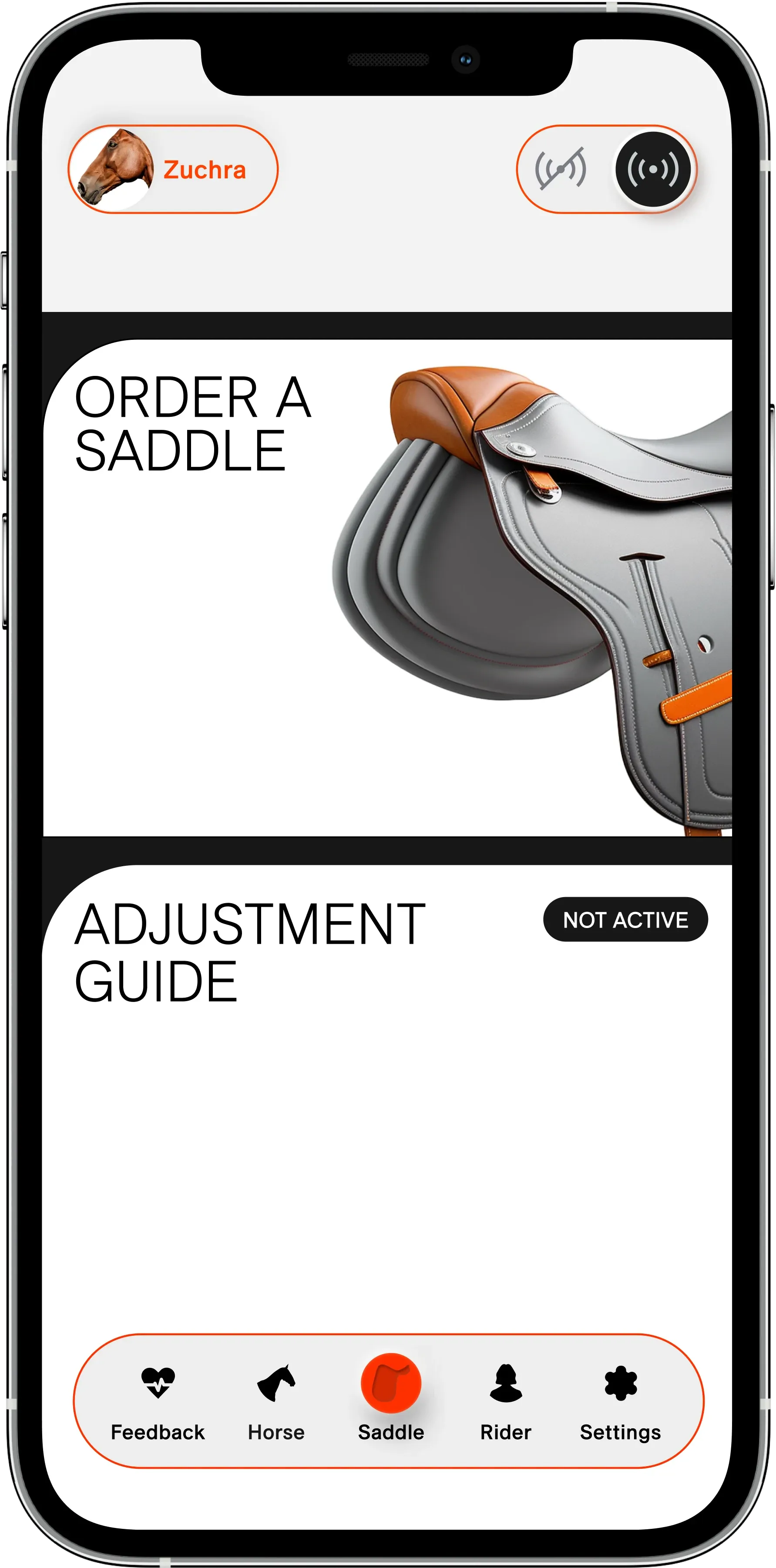
Creating an app that guides users through the saddle fitting process using scanning and measurement technology. Riders can independently input their and their horse’s data, ensuring a precise and tailored fit.
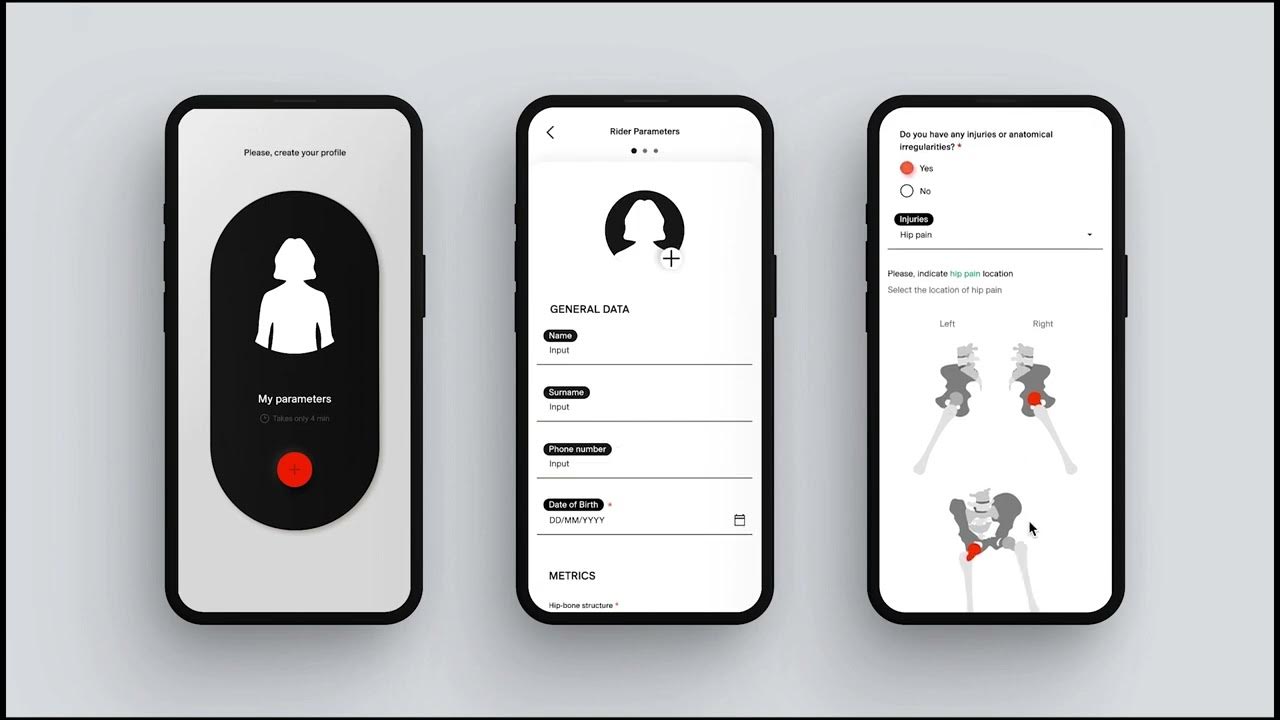
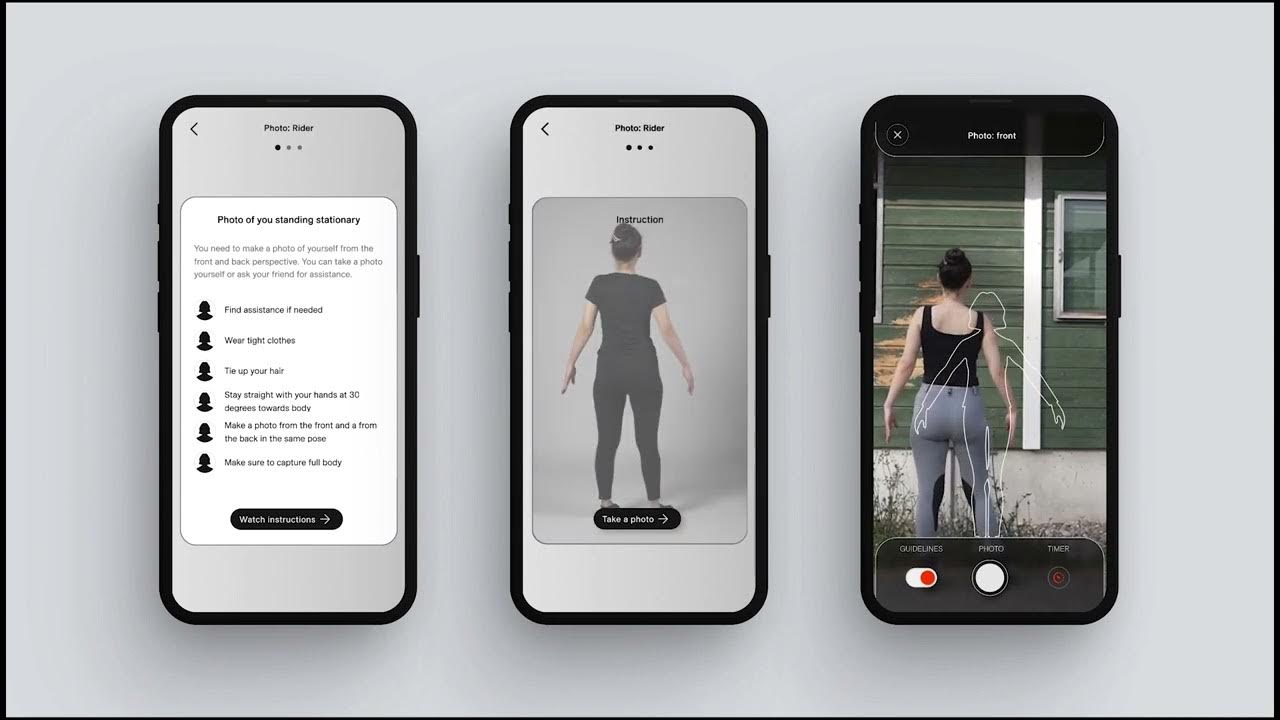
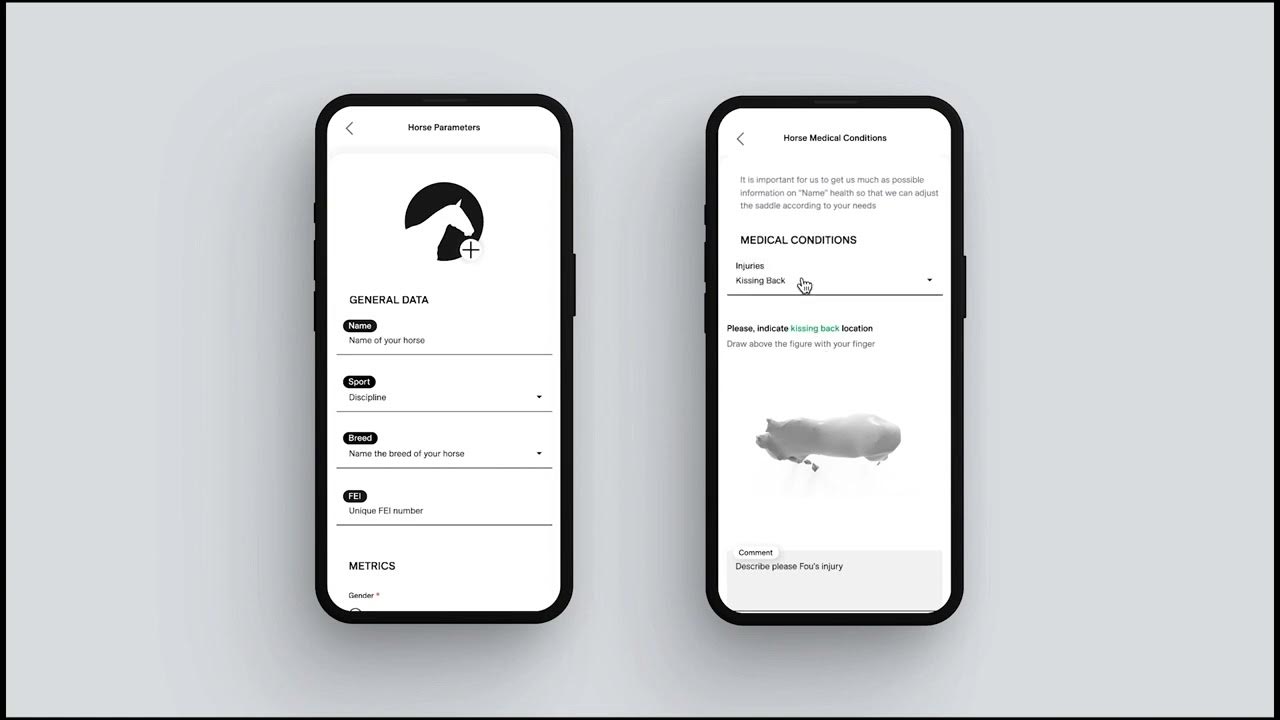
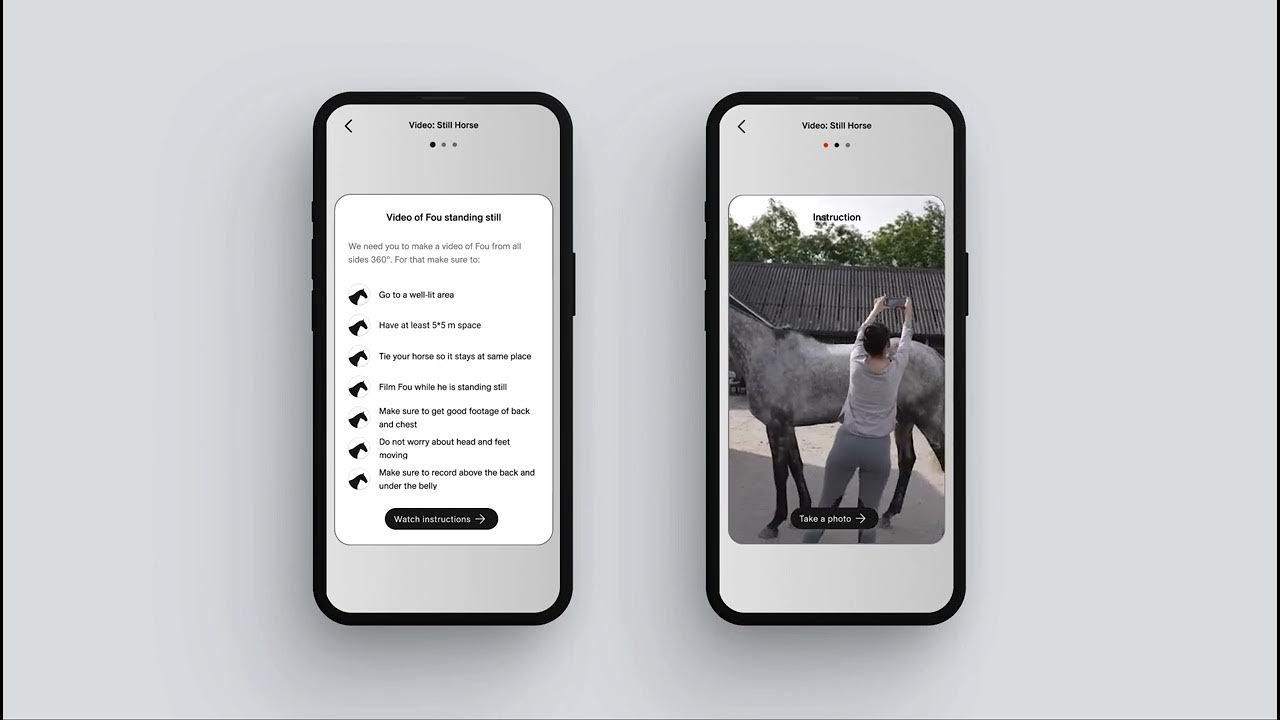
Step 1 / 6 Rider's Parameters
The FlexFit
Engineered for a circular, sustainable system.
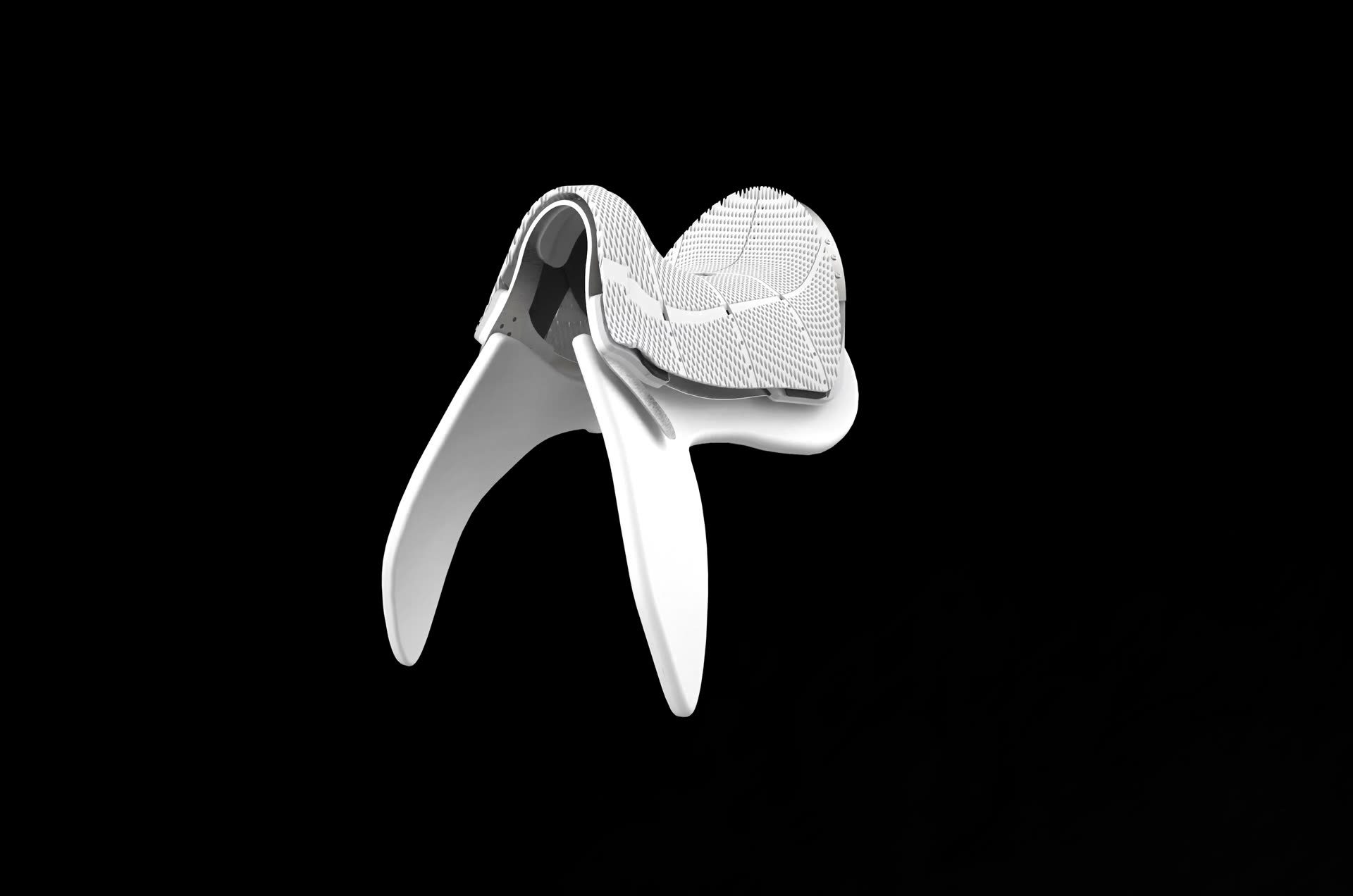
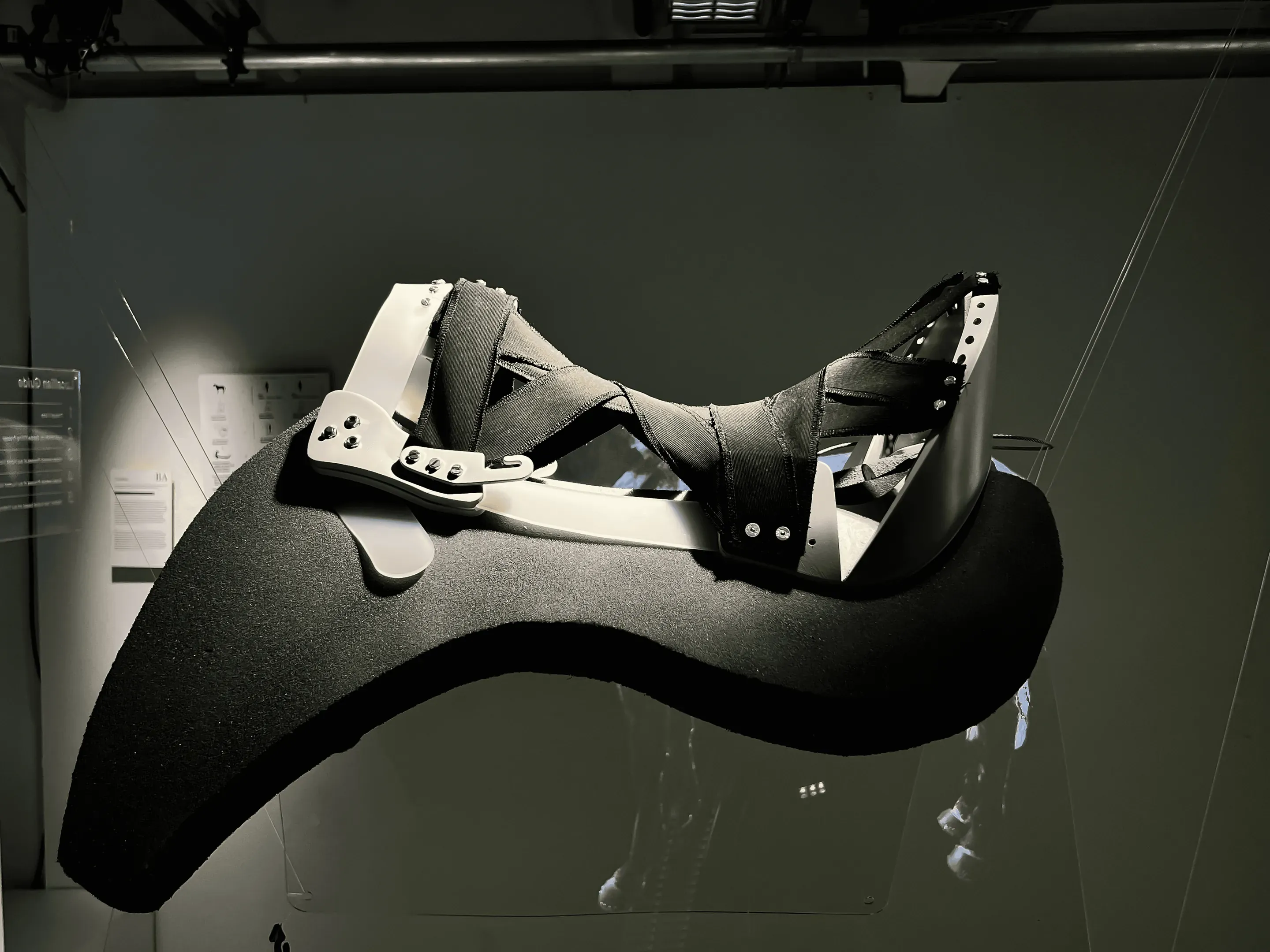
Our innovation lies in designing two separate systems for a saddle tree that compromises less on the health of both rider and horse, unlike many traditional saddles. Both systems are easy to manufacture and can be customized for different measurement sets.
Assets
The key assets for our application blend minimalist design with vintage and classic elements, using a bold color scheme to enhance both usability and visual appeal.
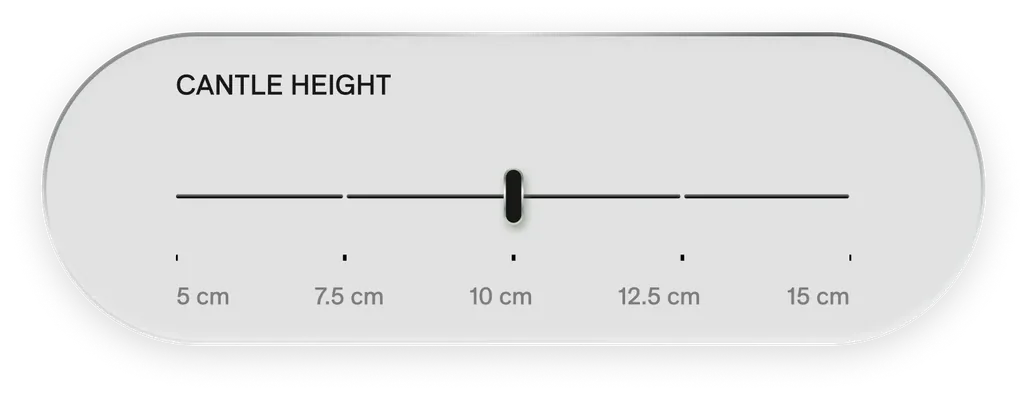
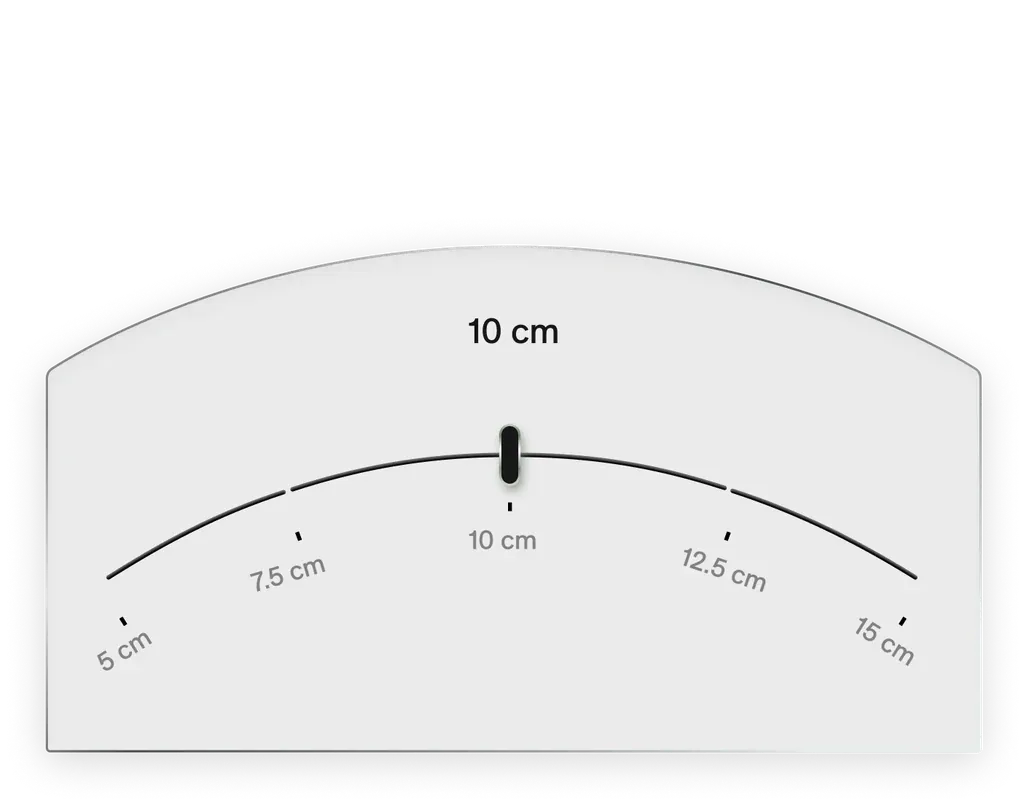
Cantle Height Personalisation
A refined tool for adjusting cantle height, with a clean, analog-inspired design that emphasizes clarity and control.
Cantle Width for Rider
A simple yet effective tool, inspired by classic measuring devices, ensuring precise cantle width selection for the rider.
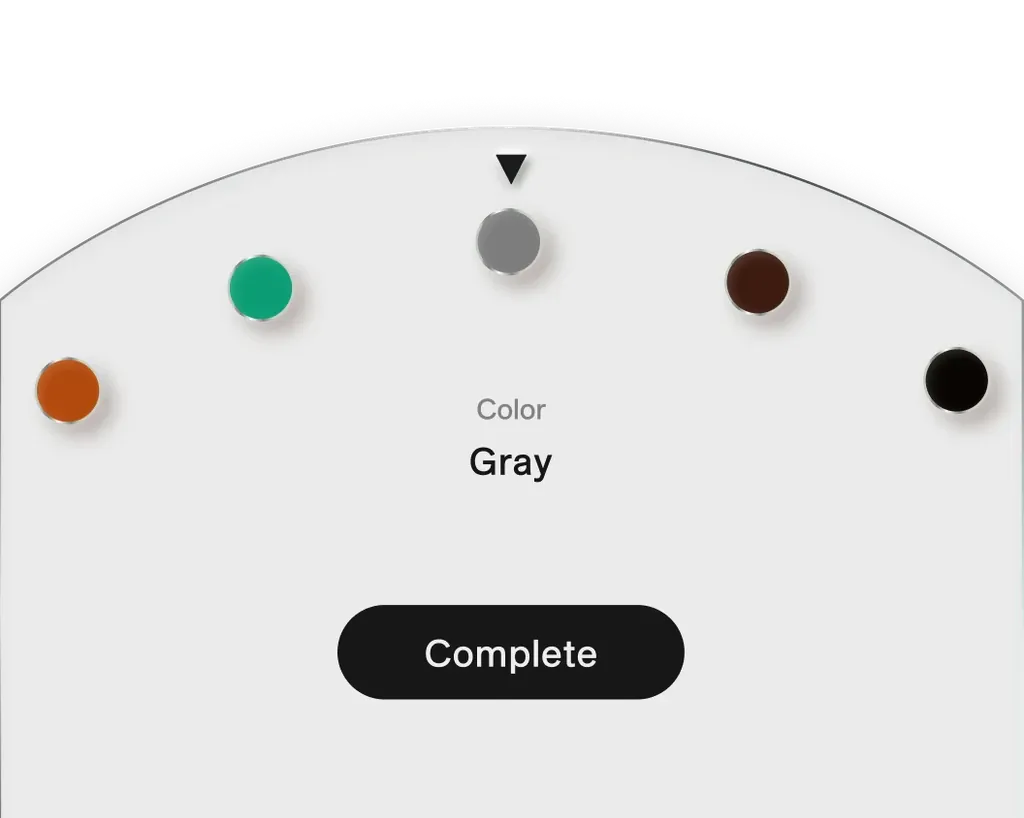
Colour Library
A color library that lets users personalize their experience, blending simplicity with expressive choices to match their style.

Nav Bar
A well-organized layout that balances visual appeal with usability, making it easy for users to navigate and access key information quickly.
Reflection
The development of the saddle tree design was a rigorous process involving in-depth research, iterative prototyping, and thorough testing. By integrating advanced measurement technologies and focusing on user feedback, we created a saddle tree that meets the diverse needs of riders and horses, ensuring a comfortable and customized riding experience.
It's an honor to have received a nomination for the esteemed SDA Award, courtesy of the Swiss Design Association.
The full process
Lucallian is an equestrian innovation project that uses 3D scanning technology to simplify saddle fitting. The app allows riders to independently measure and order custom saddles tailored to the biomechanics of both horse and rider.
- Project Type
- Bachelor's ProjectEnd-to-end ServiceProduct DesignUX/UI
- Duration
- 6 months
- Skills
- Visual Identity DesignDesign LibraryInformation ArchitectureUsability TestingUser Interface DesignPrototypingPhysical ProductFilming, Directing / Editing
- Team
- Dzhuliia Kolodko
- Mentors
- Jordane VernetSandra KaufmannIsabella Ilchmann
- Mentored
- Accenture Song (Fjord)
- Collaboration
- ZHdK UniversityAlter EgoOpen DressCastyETH SPHNtop
Collaborative Project with

My Role
- Product Research
- Concept Development
- UI & UX Design
- Ideating Design
- Prototyping | Digital & Physical
- Branding Design
- Project Management
- CAD | Rendering
- Editing | Film | Photography
Our BA project was a collaborative effort between Dzhuliia Kolodko, specializing in Interaction Design, and myself, specializing in Industrial Design. This partnership was instrumental, as our unique perspectives greatly influenced and enriched each other's work throughout the project.
Nomination Award
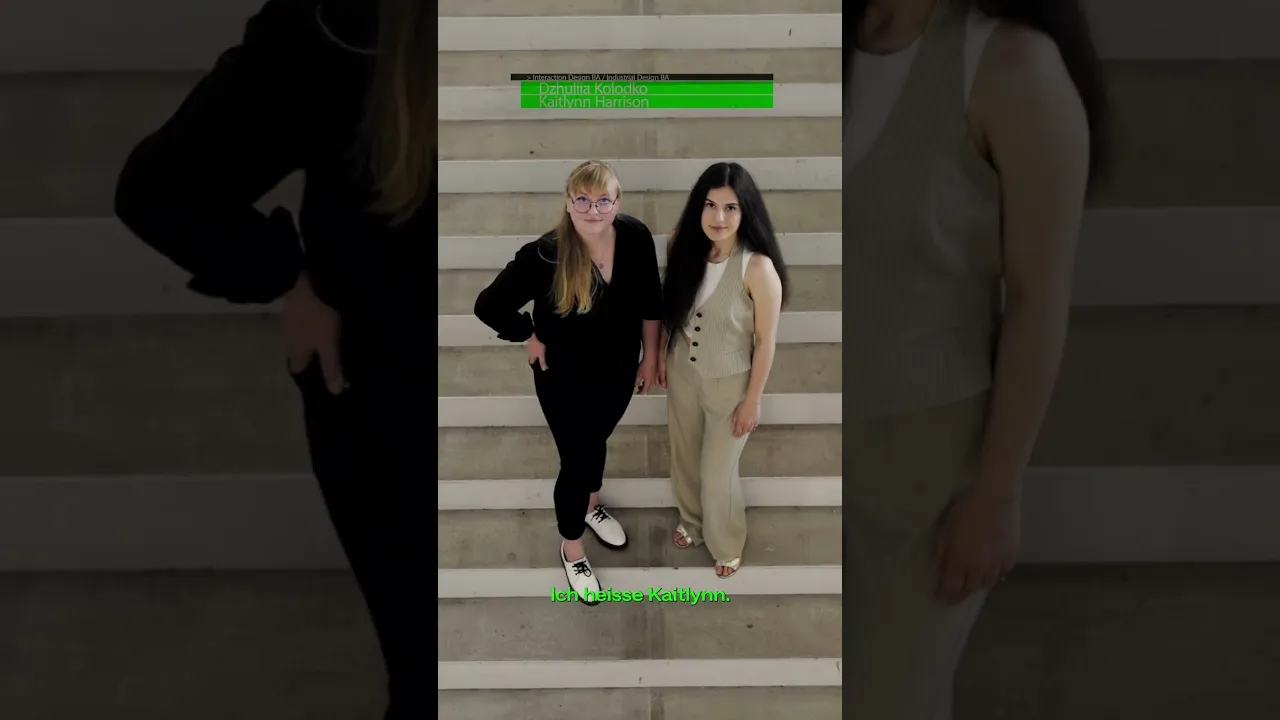
It's an honor to have received a nomination for the esteemed SDA Award, courtesy of the Swiss Design Association. This nomination underscores our innovative approach and celebrates 'Lucallian,' our collaborative bachelor's project, mentored by the Accenture Group. We extend our heartfelt gratitude to the Accenture Group for their invaluable contribution and unwavering support.
My Main Challenge
Choosing the right saddle is difficult, as both generic and custom options often ignore the precise biomechanics of rider and horse. Manual fitting lacks standardization and can be costly. Additionally, most saddle designs overlook gender-specific rider biomechanics, causing discomfort and limiting options for female riders.
Users
Our users are both professional and hobby riders focused on health-centered saddles. Professionals need durable, customizable options for frequent use, while hobby riders prioritize comfort to reduce pain and improve posture. Both value balance feedback and user-friendly tools.
Comprehensive Research-based Fitting System
After conducting comprehensive desk and field research, we gathered sufficient data and insights to develop our own measurement system for both rider and horse, aimed at achieving an anatomically tailored fit. We meticulously considered all details and measurement points that are often overlooked by traditional saddle makers.
Saddle-Tree Design
Designing a saddle tree that incorporates these measurements allows us to blend mass-produced generic components with personalized, gender-specific adjustments. This approach ensures a tailored, long-lasting fit, particularly suited for female riders.
Saddle-fitting Application
Creating an app that guides users through the saddle fitting process using scanning and measurement technology. Riders can independently input their and their horse’s data, ensuring a precise and tailored fit.
Our Solution
Our solution combines 3D scanning and precise measurements to create custom-fit saddles tailored to the unique biomechanics of both rider and horse, ensuring enhanced comfort, performance, and health for all equestrians.
Research & Project Development
- 01
Research
- Desk research
- Field research
- Interviews with industry experts
- Interview with riders
- Interview with saddle-makers
- 02
Concept Dev.
- Creating Rider Personas
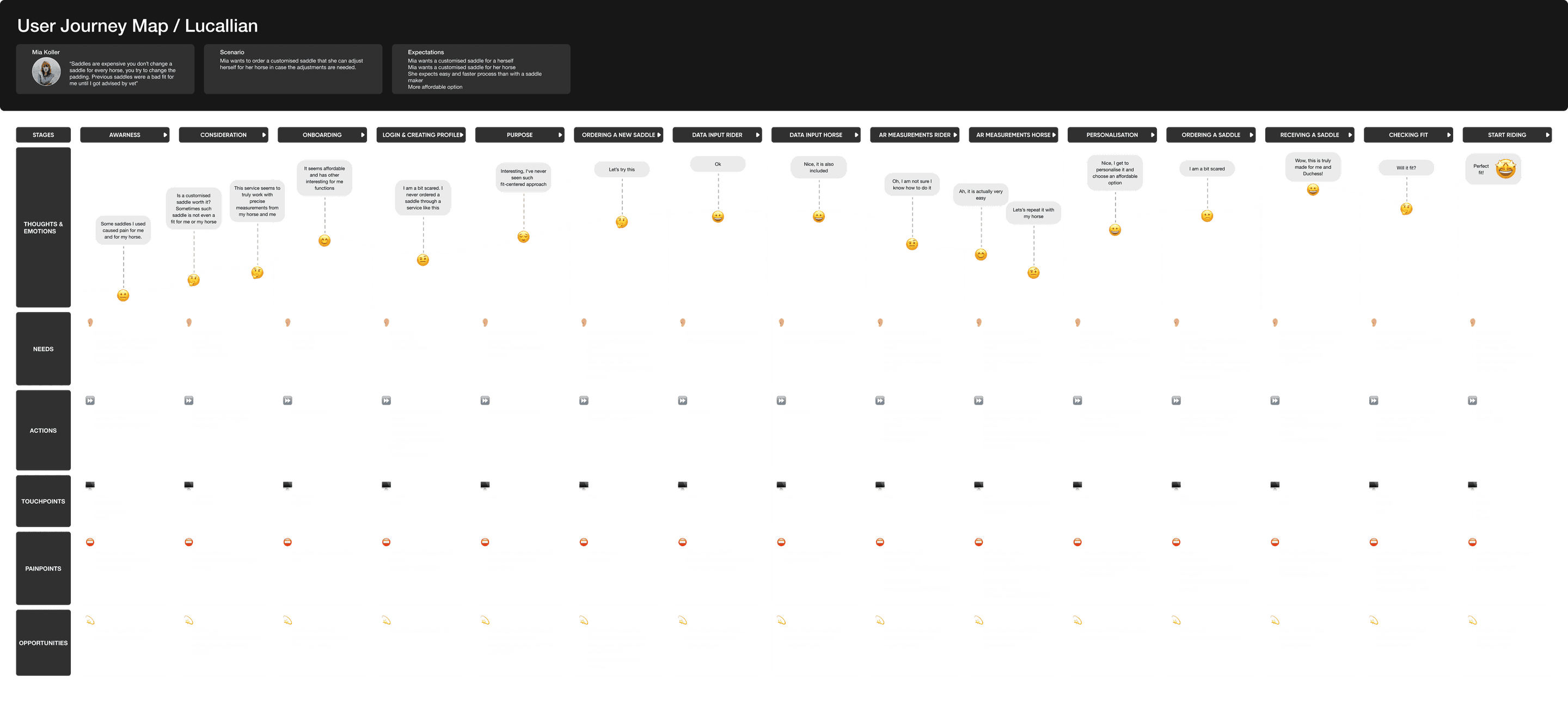
- Creating Rider Journey
- Creating Horse Journey
- 03
Measurement System
- Developing a comprehensive measurement system
- utilizing AR scanning and Lidar technology to capture precise anatomical data of both rider and horse.
- Testing
- 04
Saddle Tree Design
- Ideation
- Prototype Testing
- Model Developmnet
- 05
Application Dev.
- User Flow
- Low-Fidelity Wireframes
- High-Fidelity Prototype
- Branding
- Testing
During the knowledge-intensive research stage, we conducted thorough desk and field research to understand the intricacies of saddle fitting and design. This included:
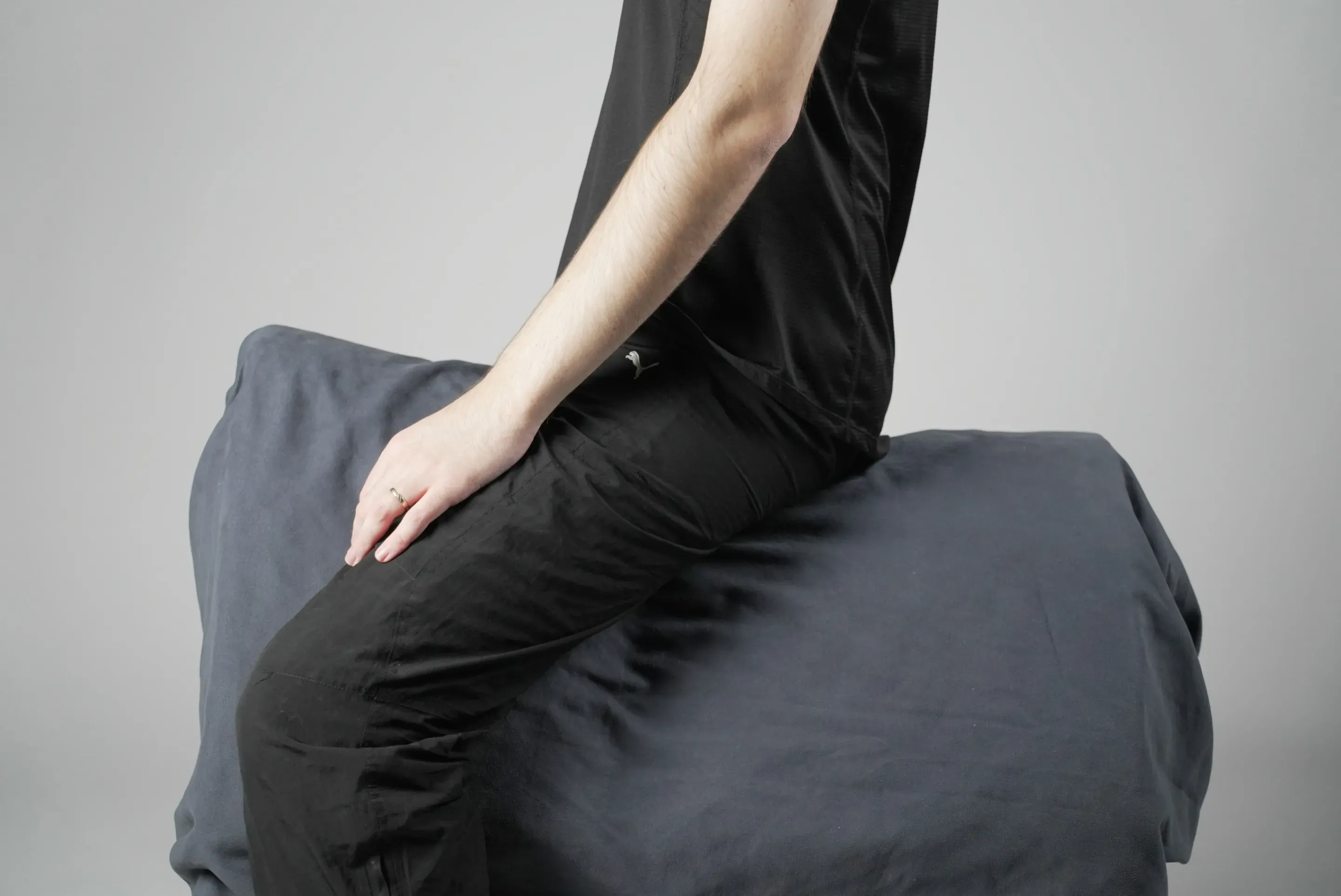
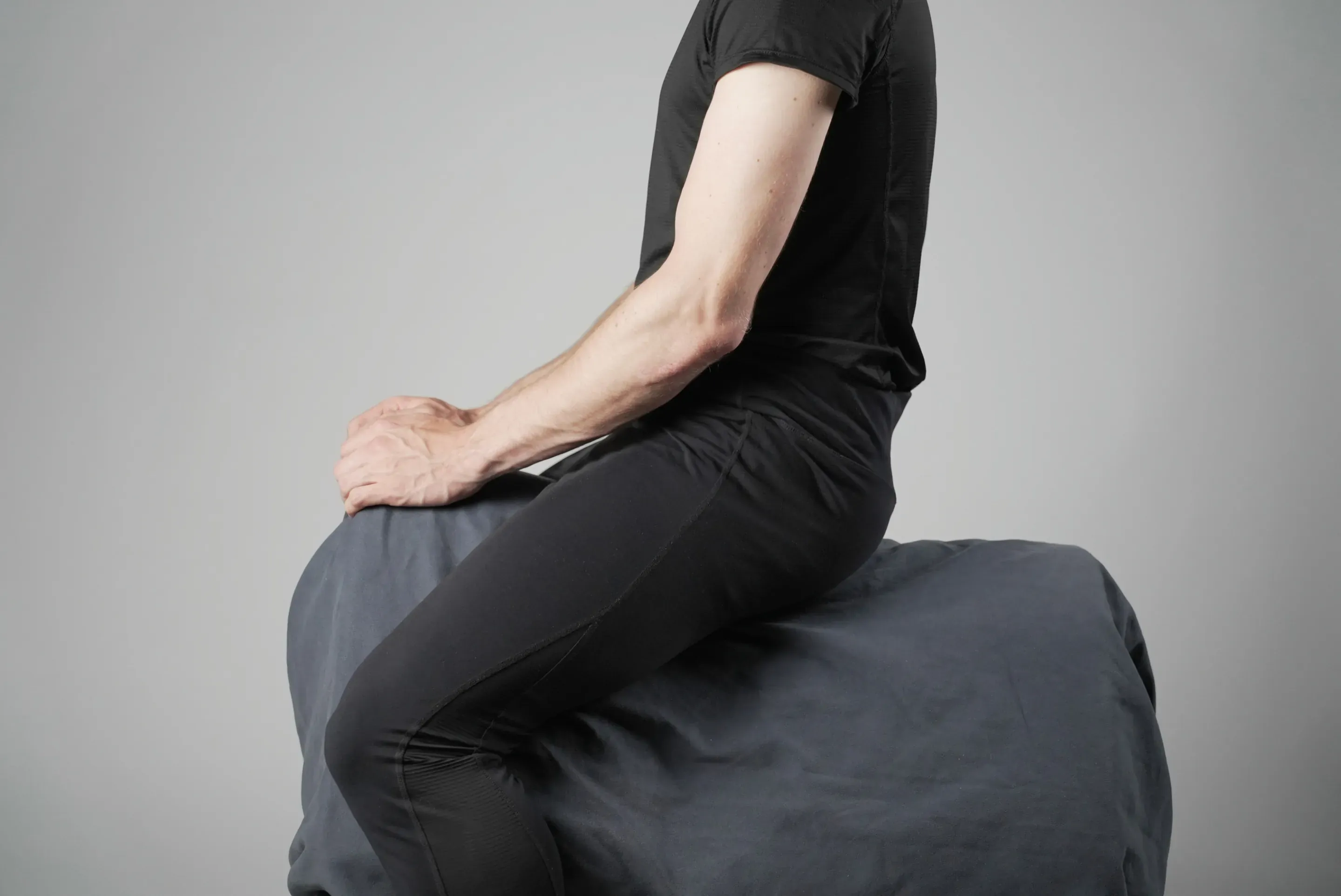
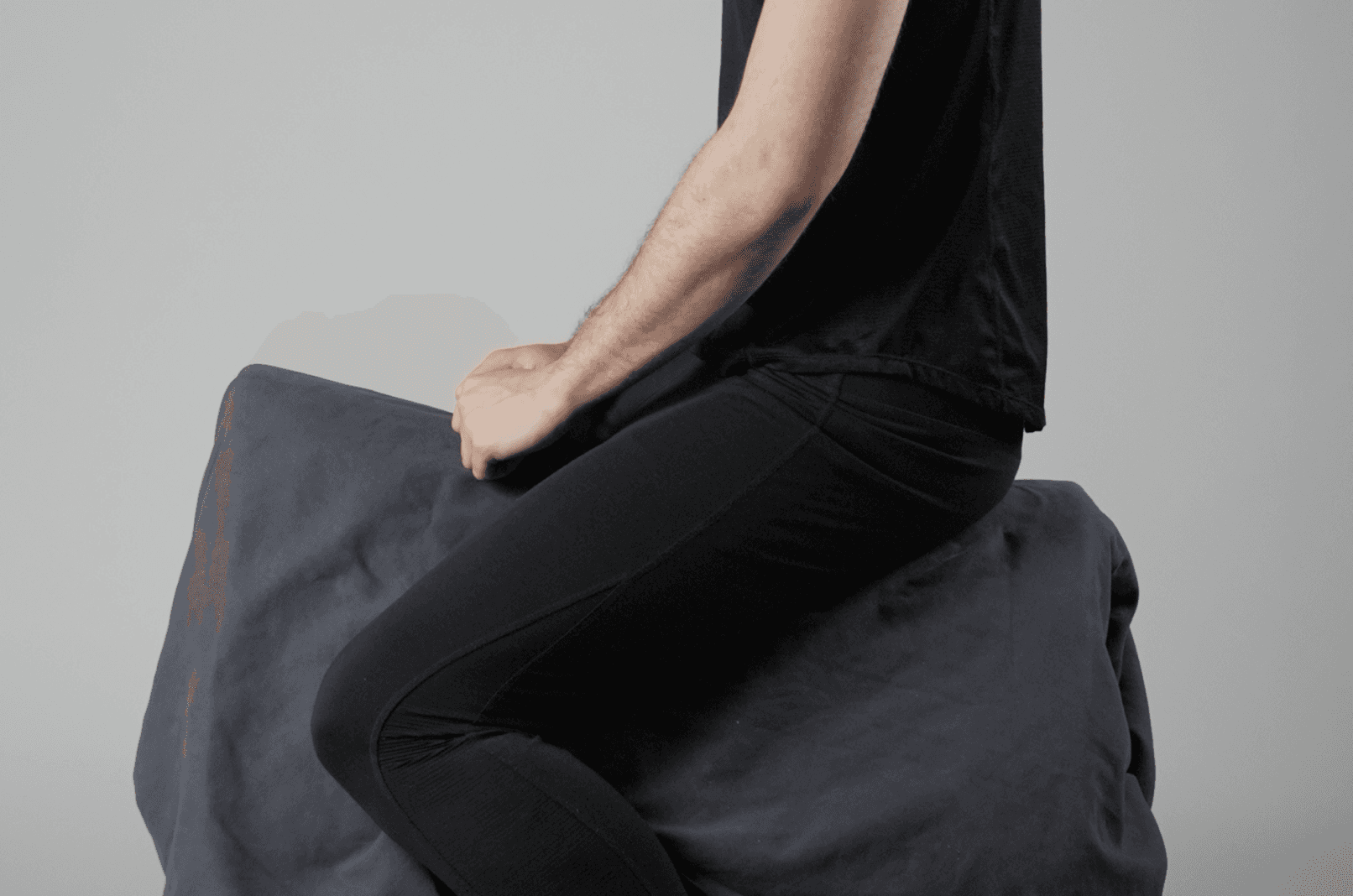
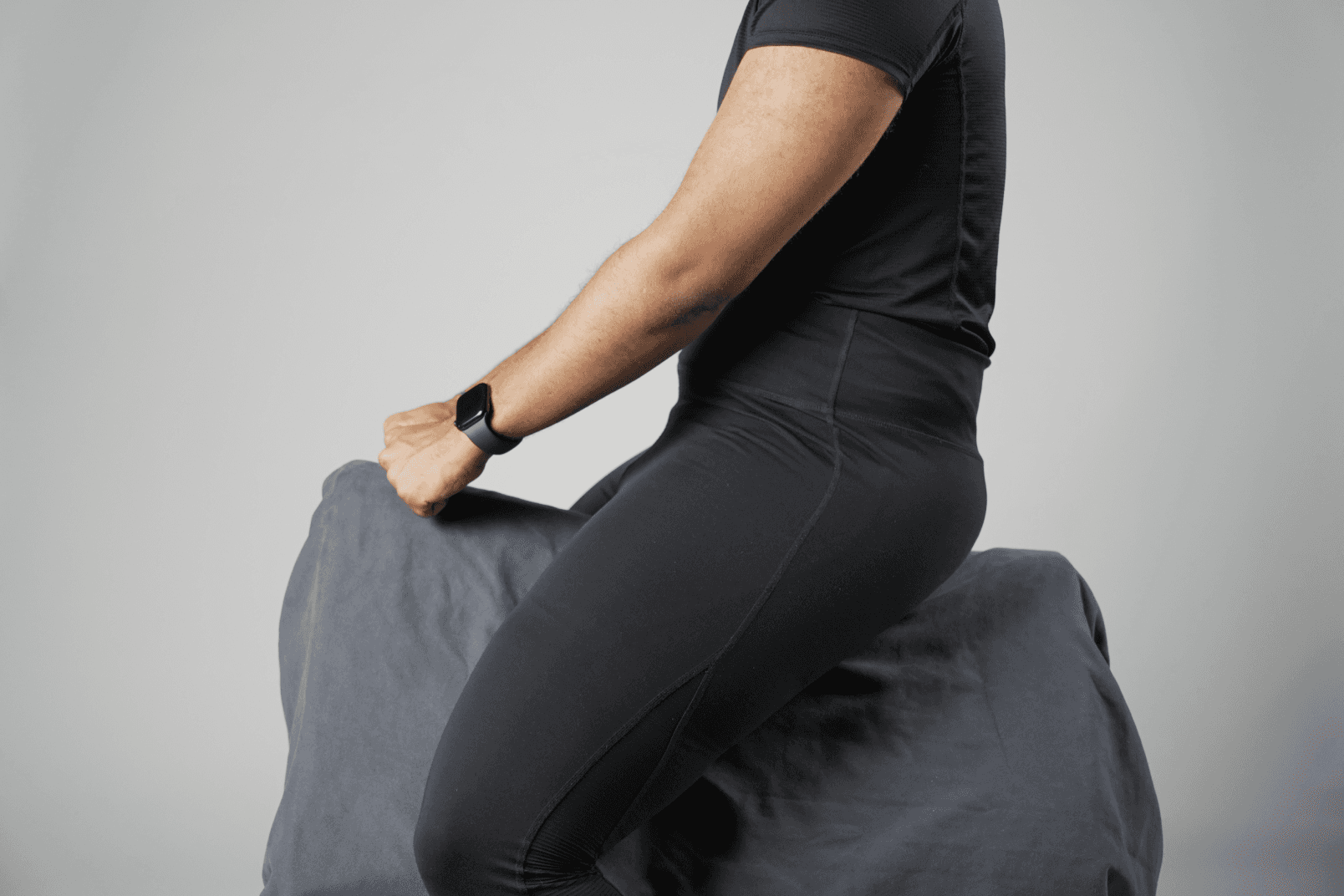
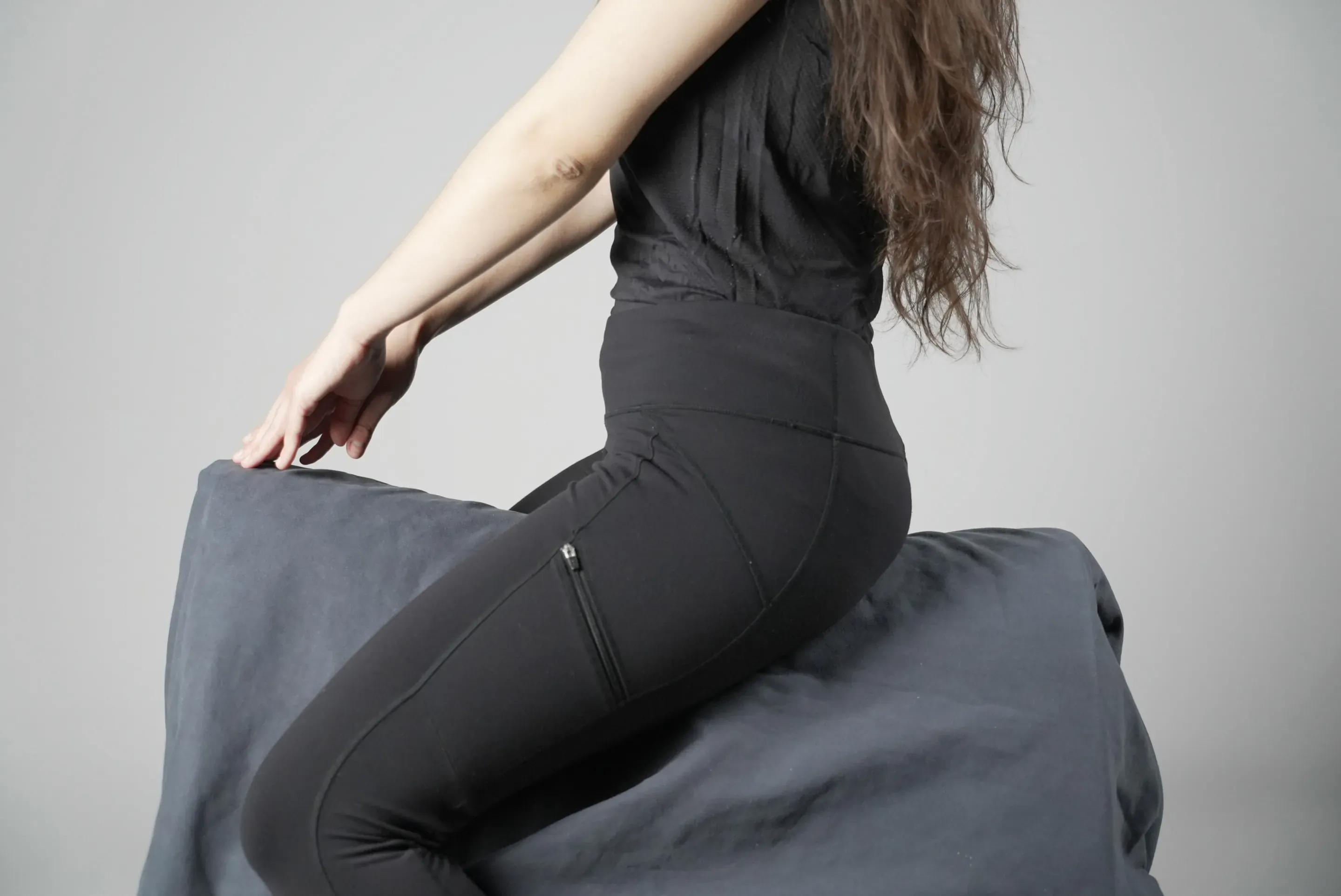
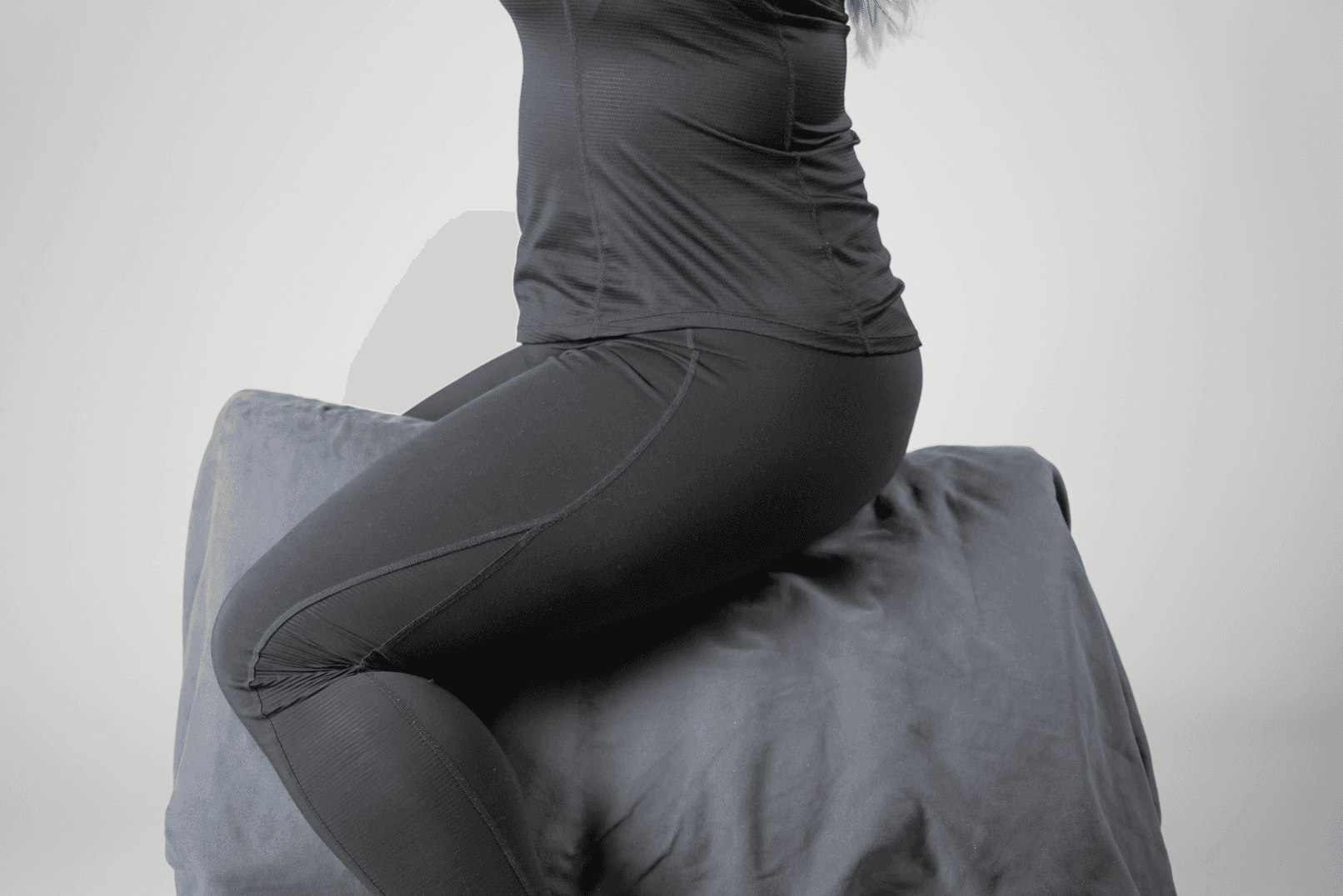
Pelvis Biomechanics
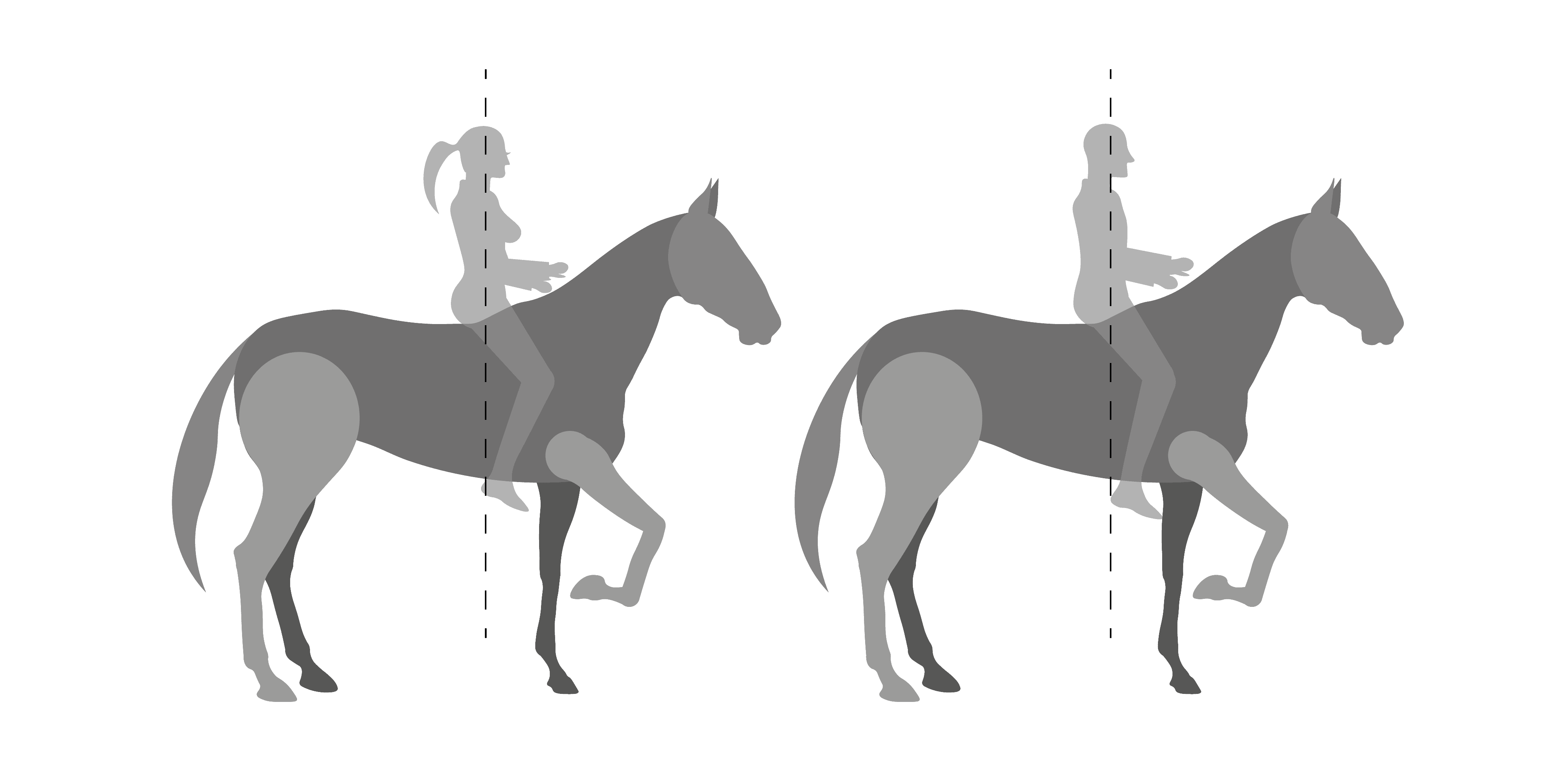
Fit-Related Differences in Female’s & Male’s Pelvis Biomechanics: We explored the biomechanical differences between male and female riders, emphasizing how these variations influence saddle design and fit.
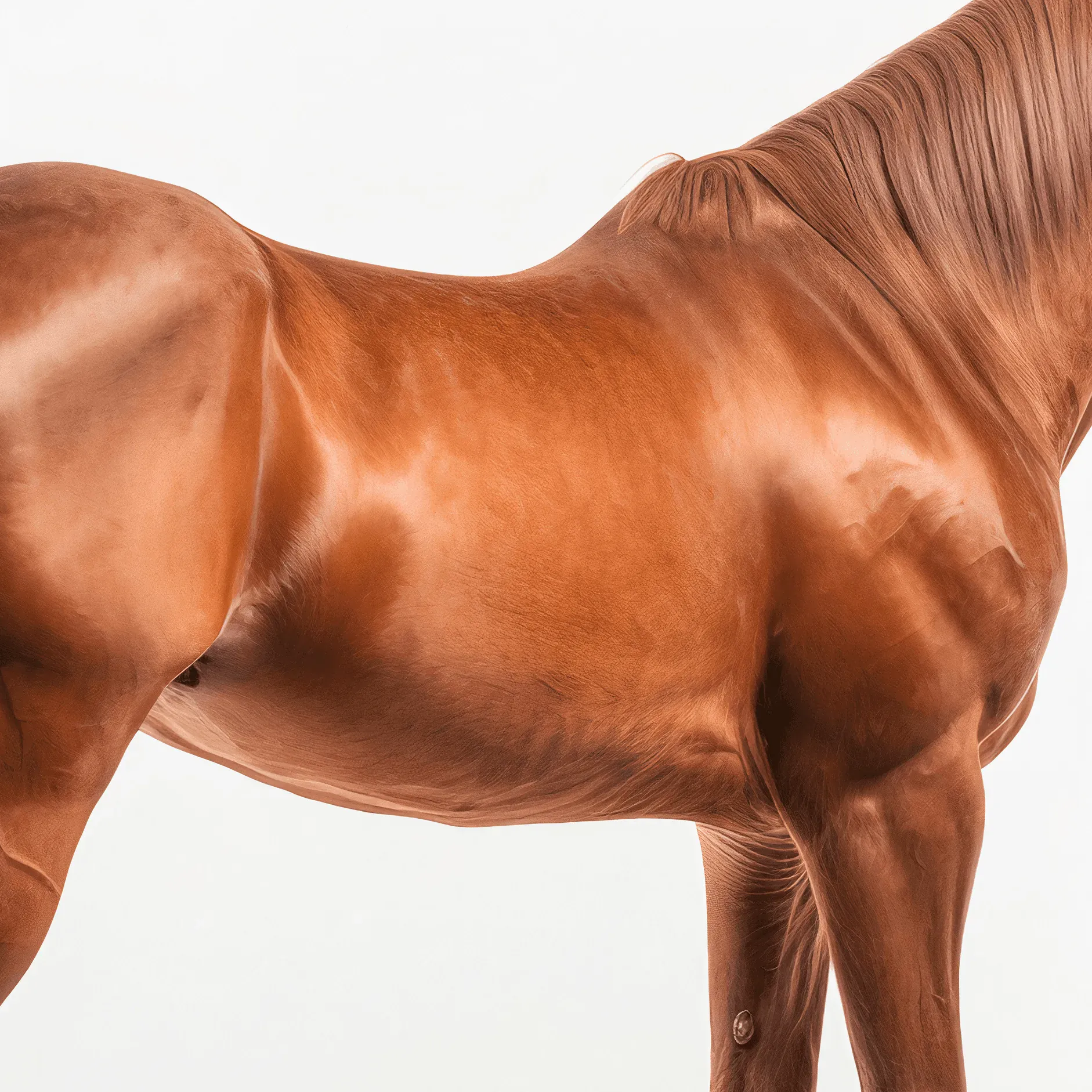
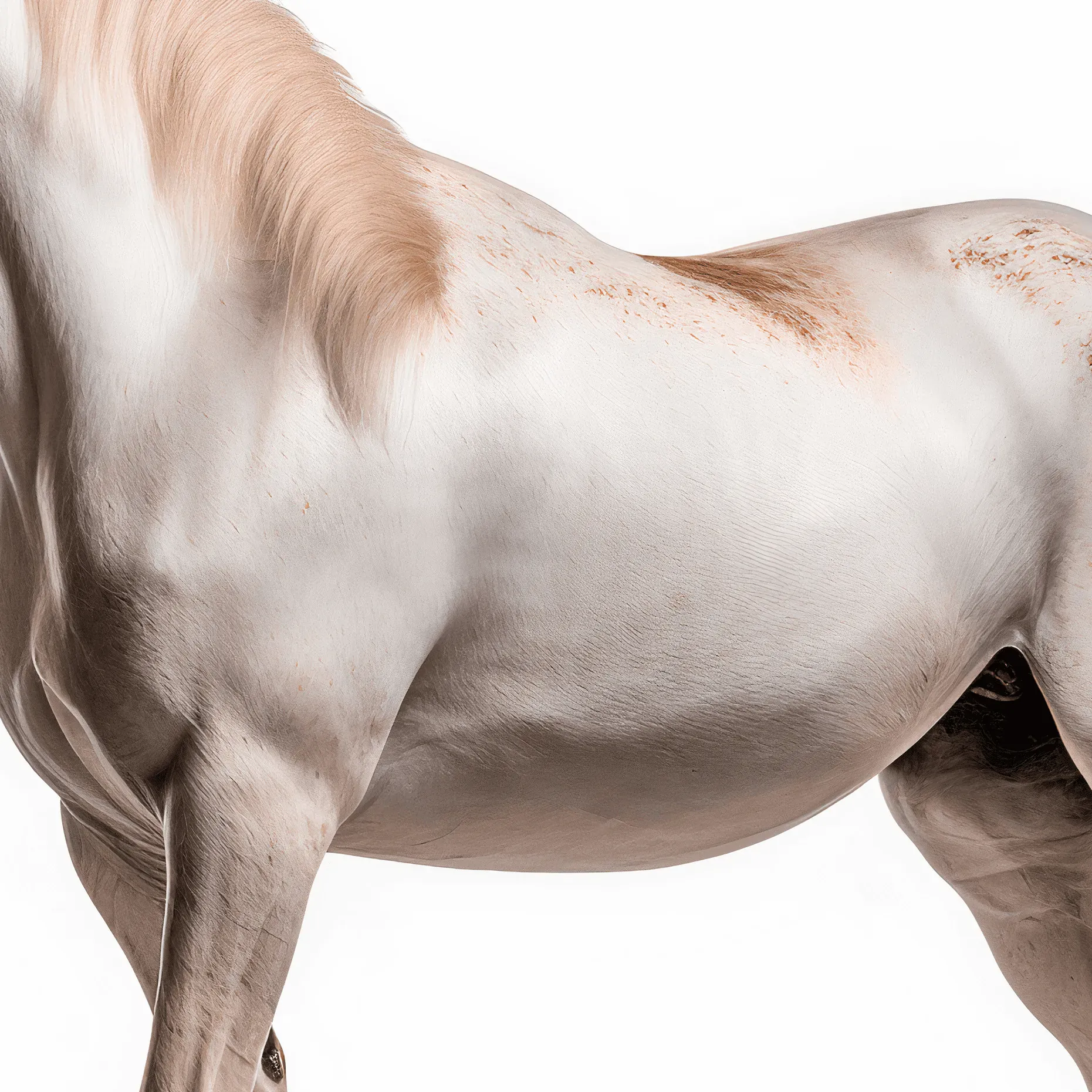
Horse Anatomy
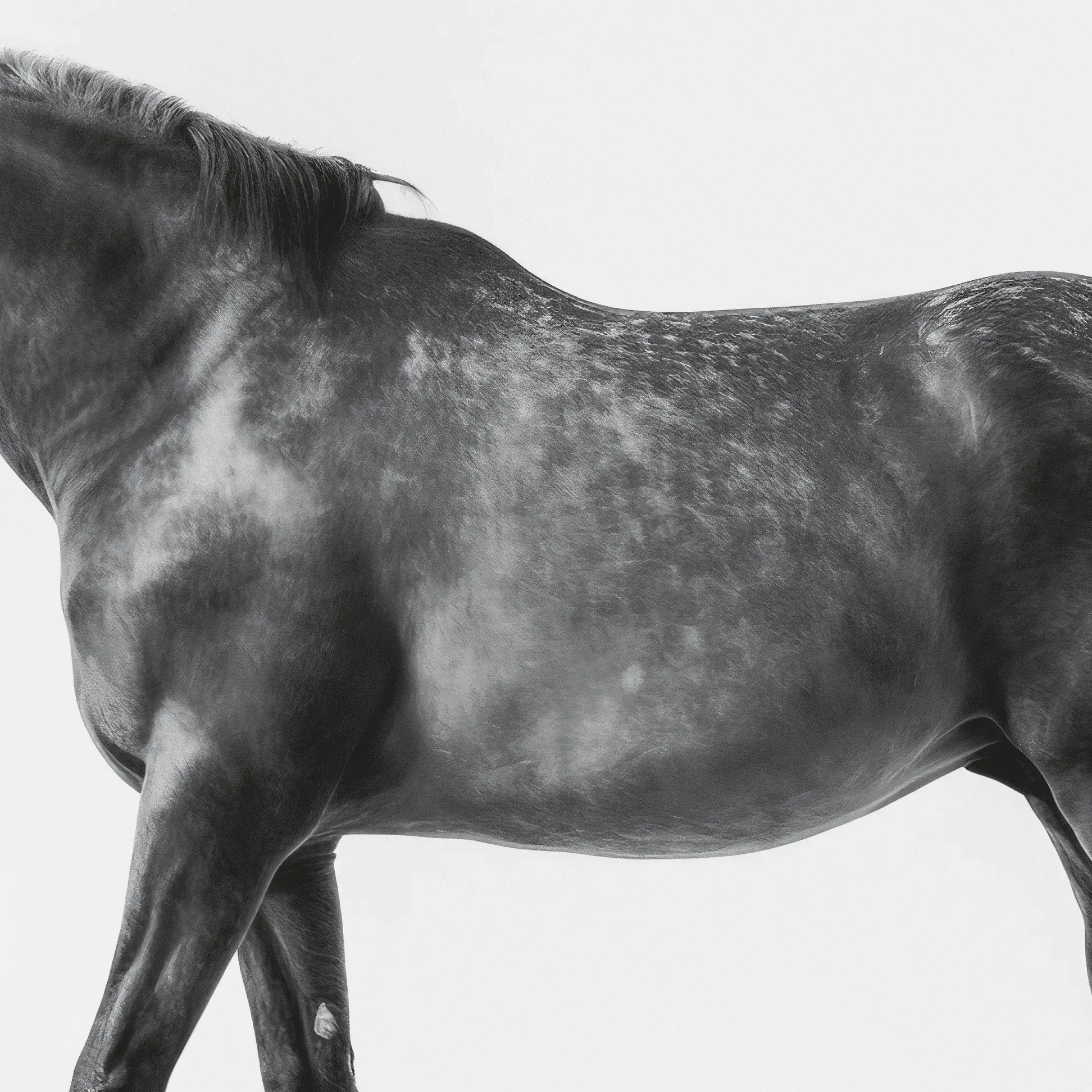
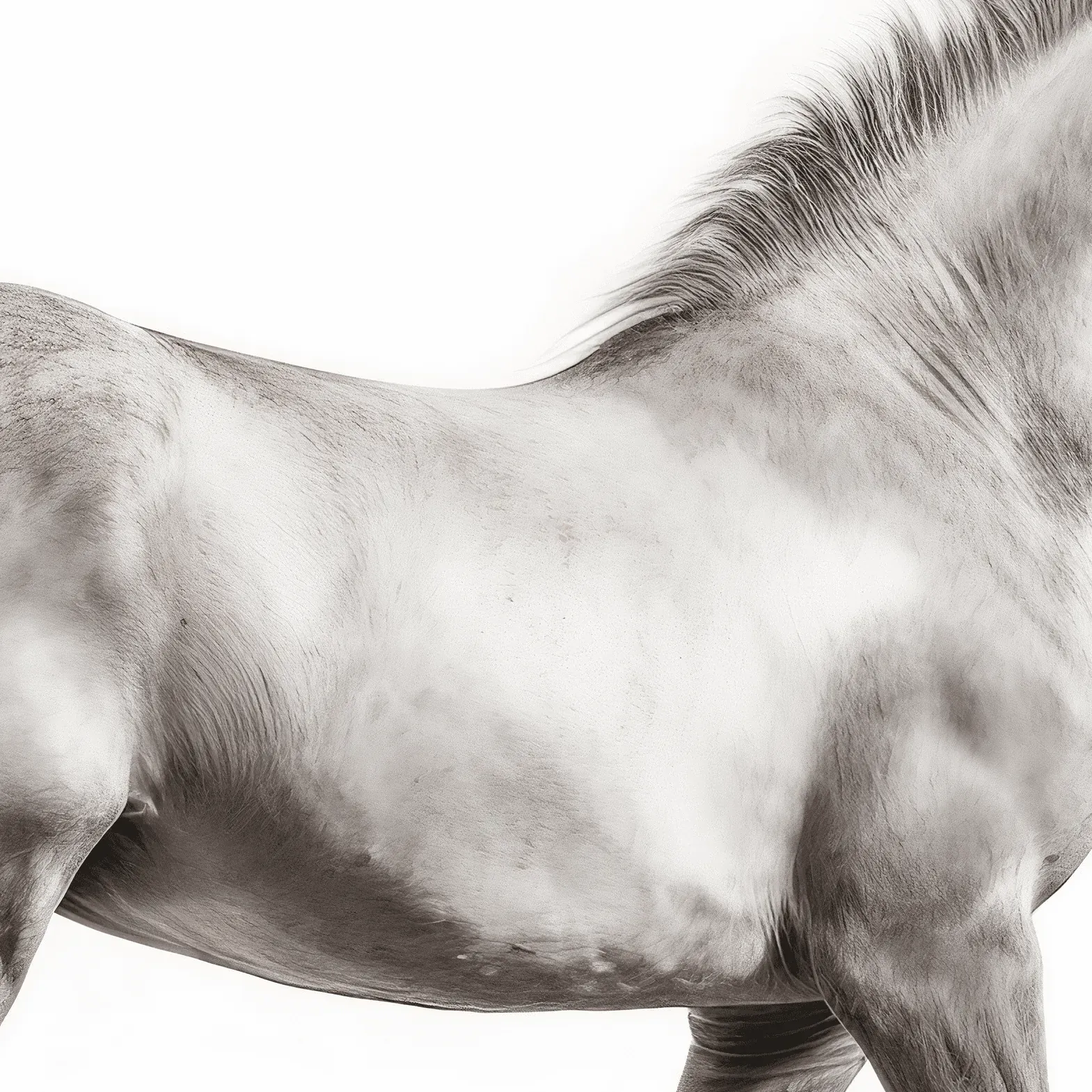
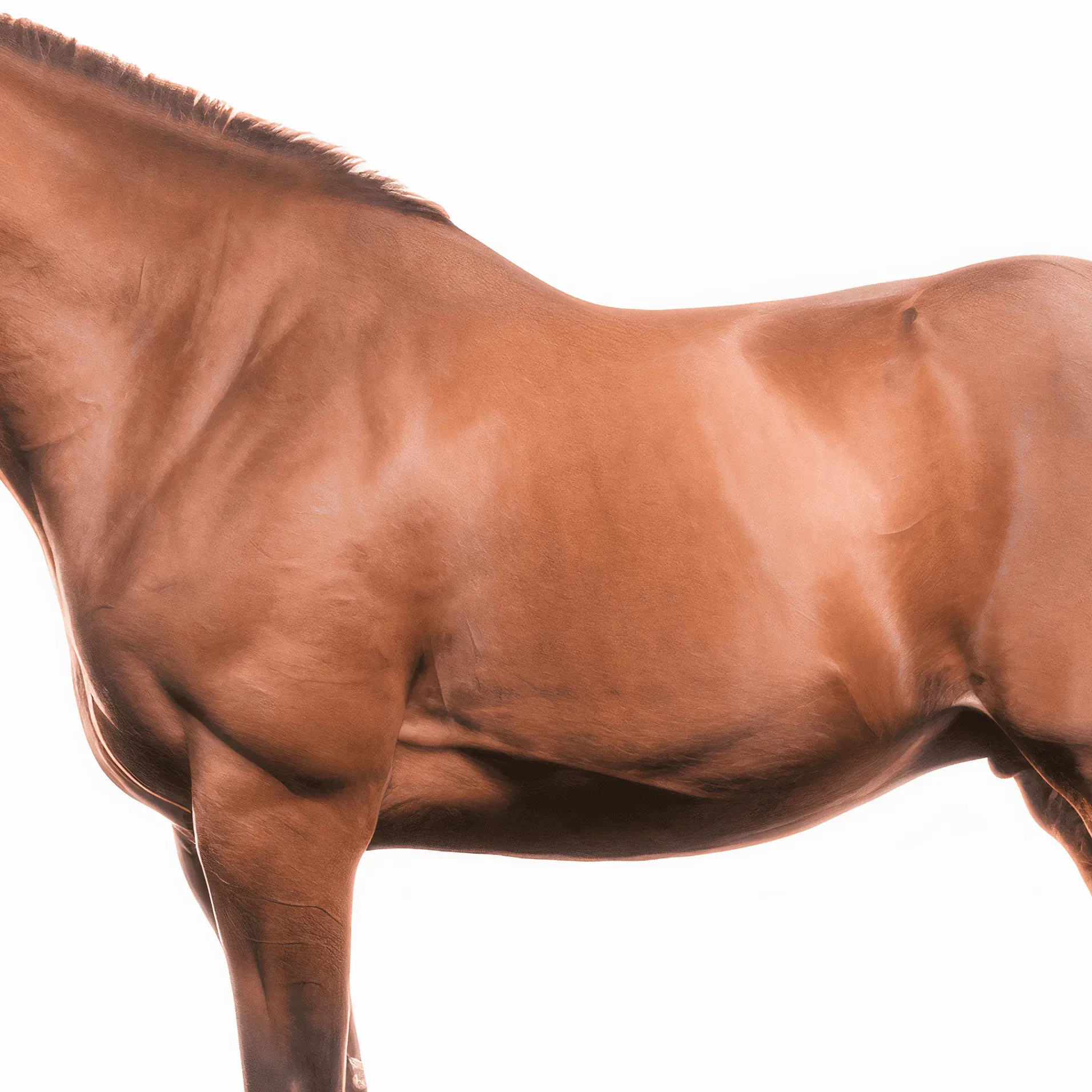
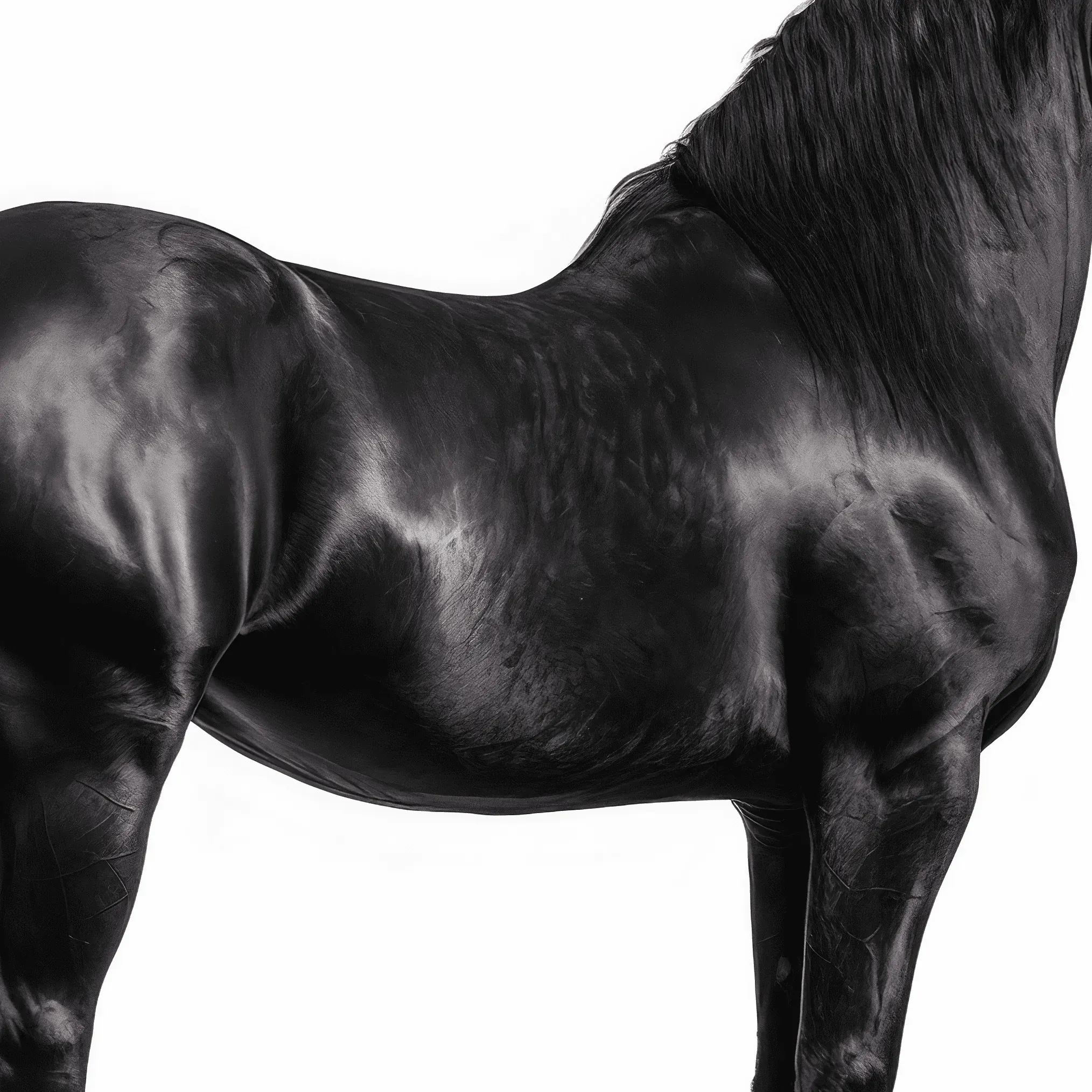
Equine Anatomy Relative to Measurements & Saddle Fit: We examined the anatomical structures of horses and their impact on saddle fit, highlighting the need for precise measurements.
Interviews
- Riders
- Saddle makers
- Veterinarians
- Chiropractors
- Horse-tech companies
- AR specialists
Given the project’s need for specialized knowledge, we divided our interview partners into six target groups, each with tailored questions and guides.
The interviews underscored the importance of precise measurements, the challenges in fitting saddles to various horses, the value of feedback from both rider and horse, and the potential of advanced technologies like NeRF in saddle fitting.
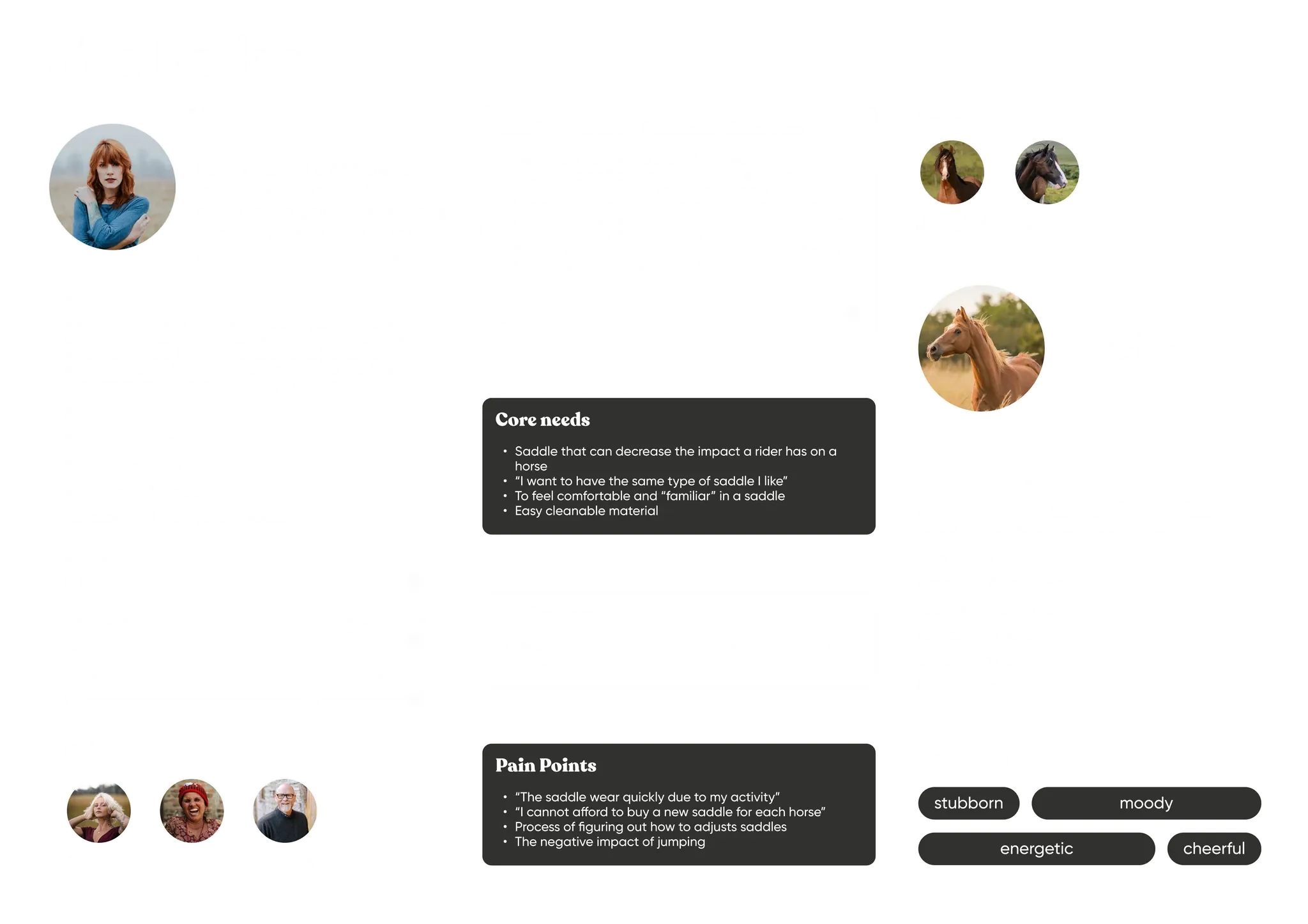
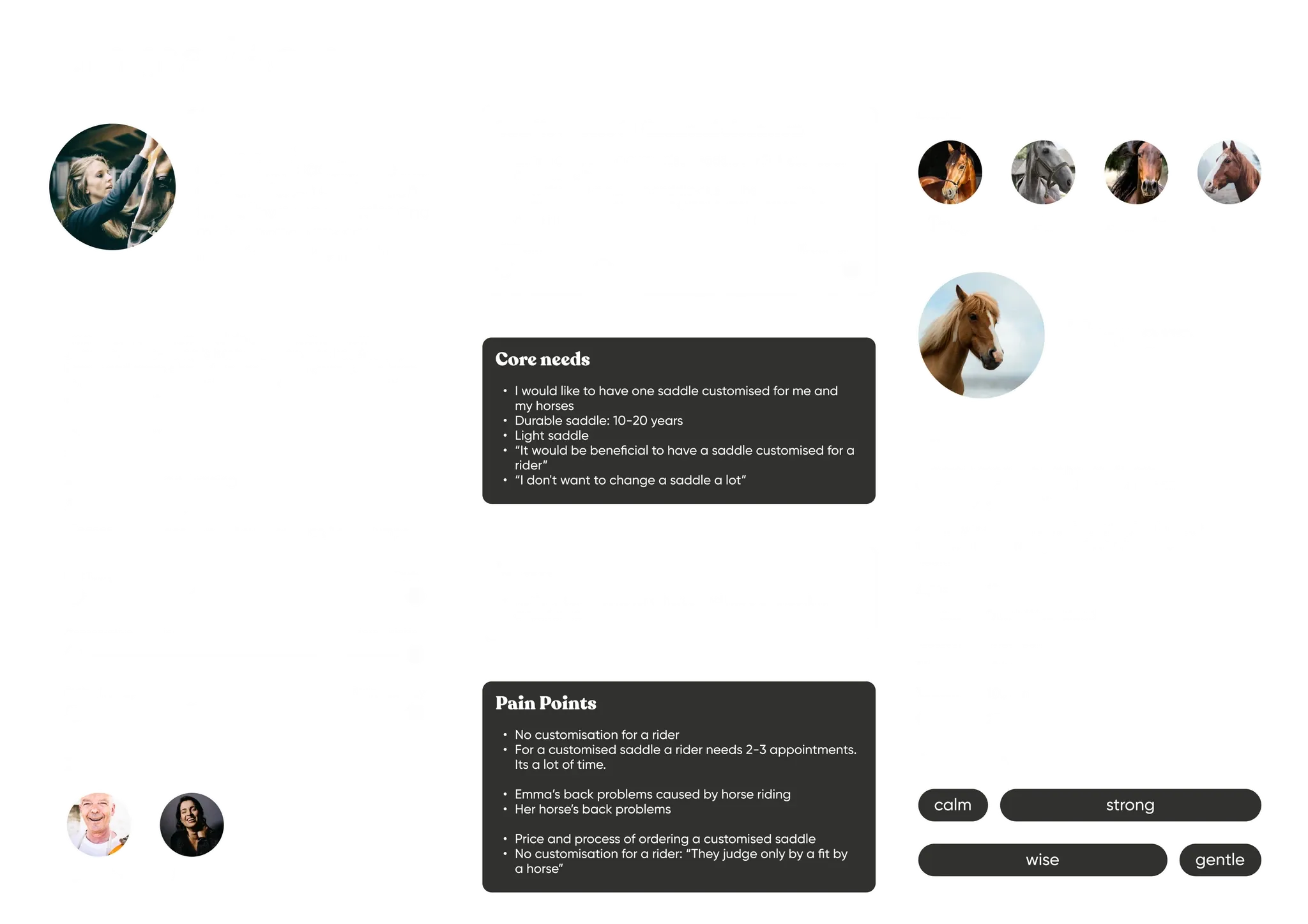
Defining User Profile
- Persona
- User Journey
User Categories: Interviews identified two main groups: professional riders and hobby riders.
Main Audience: Hobby riders over 35 prioritize long-term health and health-centered equipment for themselves and their horses. These insights guided our development approach.
Key Findings
Health Concerns: Health issues are a major motivation for users choosing the Lucallian saddle.
Technology Trust: Users expressed concerns about unfamiliar technology and trust in the traditional equestrian industry.
Support and Clarity: Users need clear instructions, expectations, and a simple interface to feel supported and confident in using the app for ordering.
Competitive Analysis
- Saddle fitting & measurement systems
- Equine Data Collecting Projects
- Saddle Design & Fitting
Overview: We reviewed various projects and applications related to saddle fitting, equine data collection, and saddle design.
Findings: No existing project fully matched our concept, so we focused on elements from different projects that aligned with our vision.
Trend Identified: Most saddle-fitting devices only assess the fit of existing saddles and suggest adjustments, rather than providing precise, ready-to-use measurements for creating new, custom saddles.
Field Research
- Riders
- Saddle makers
- Veterinarians
- Chiropractors
- Horse-tech companies
- AR specialists
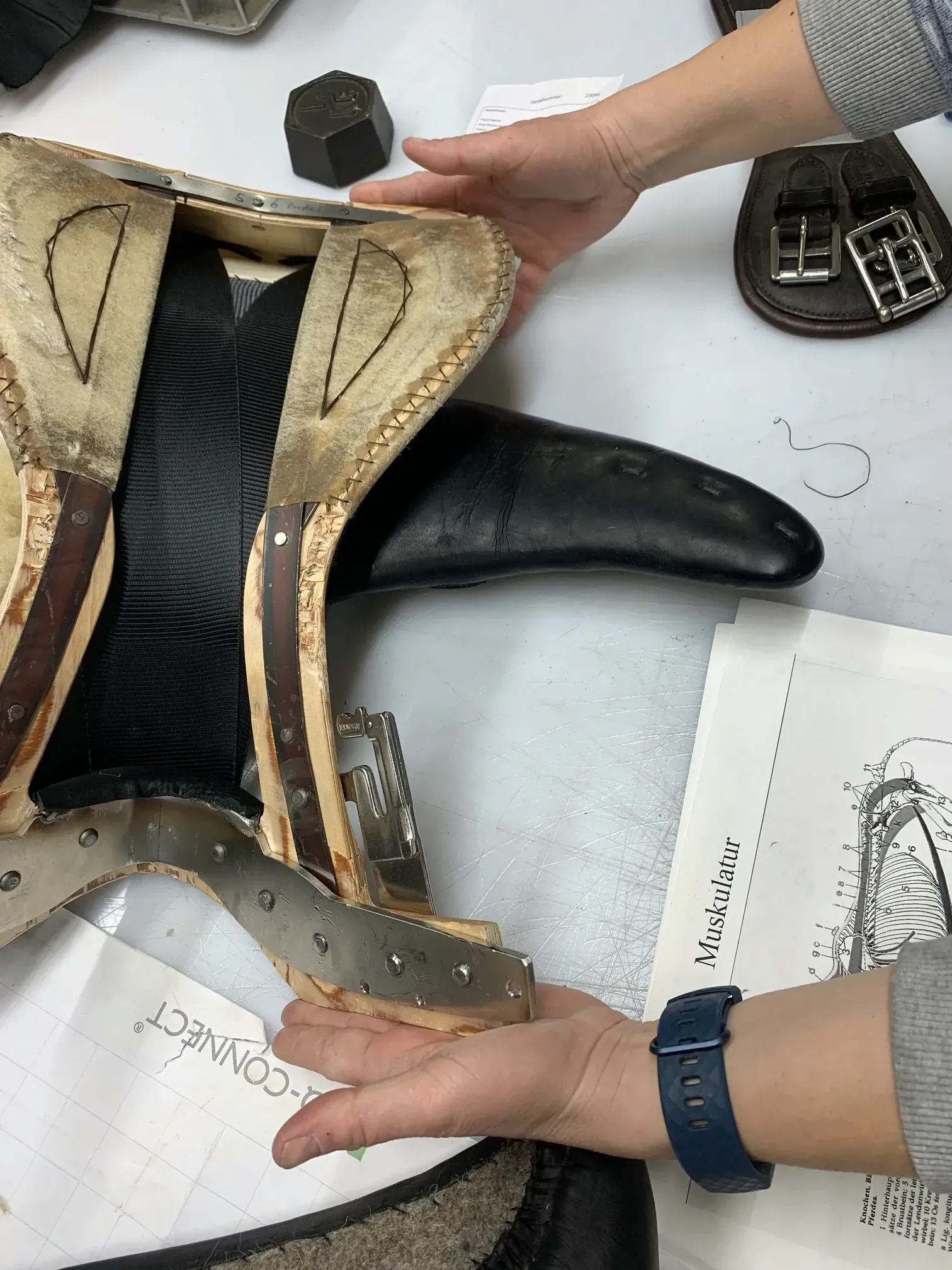
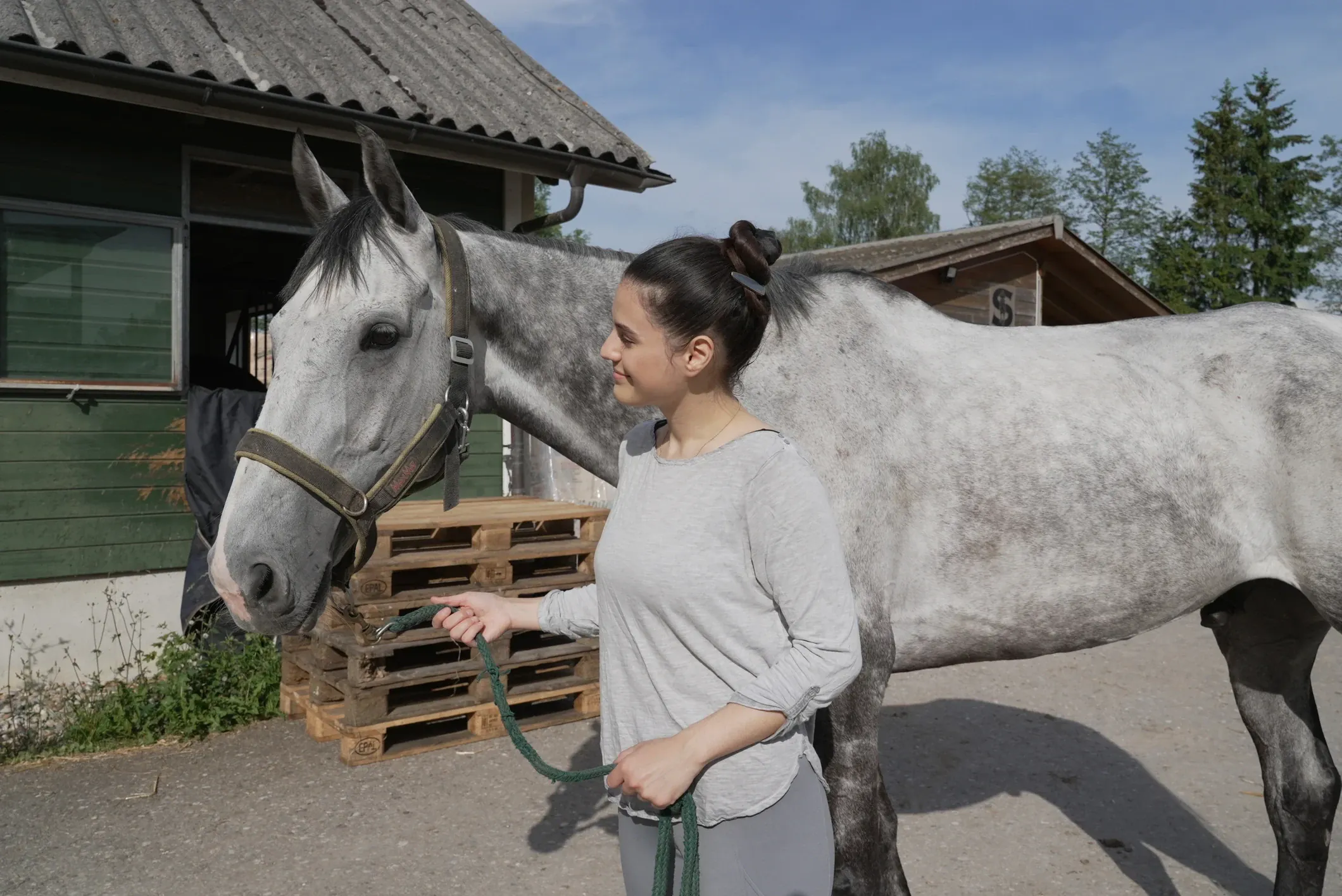
Direct Interactions: Engaged with industry experts, professional and hobby riders, and visited saddleries and equestrian events.
Event Attendance: Attended SPOGA 2023 and White Turf races to observe innovations and gather rider feedback, highlighting the need for precise measurements, customization, and addressing gender-specific biomechanics.
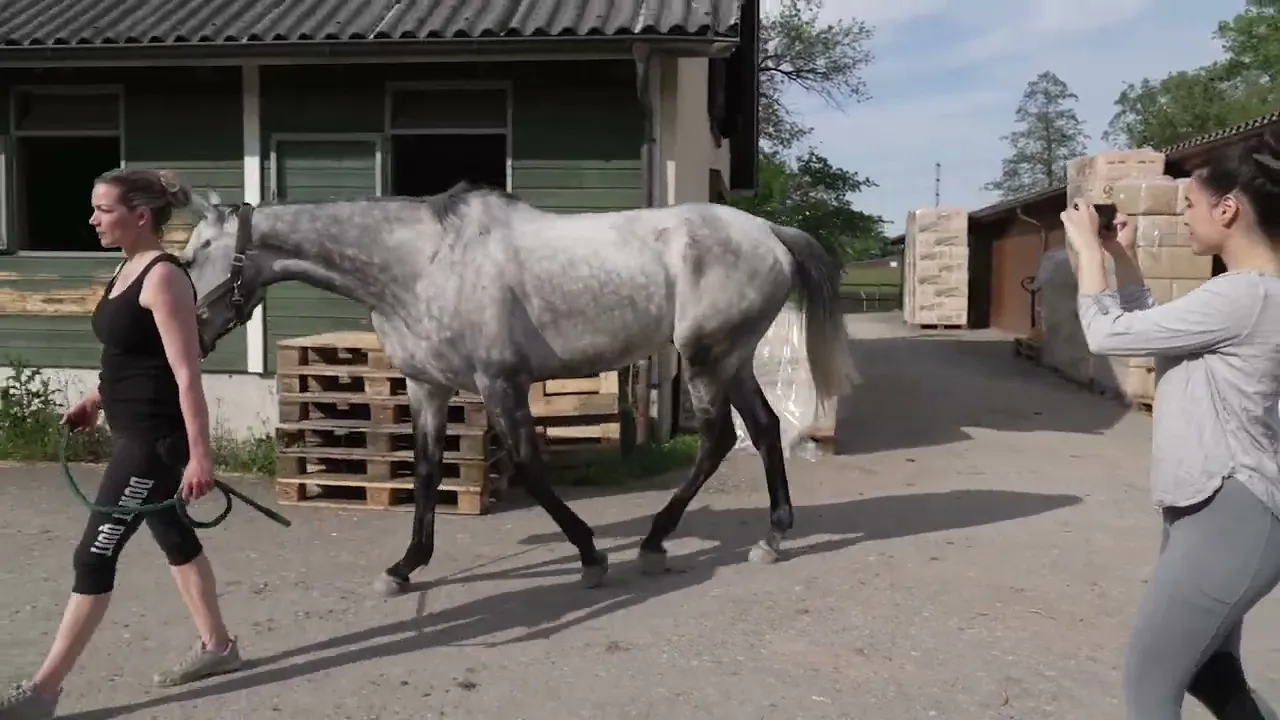
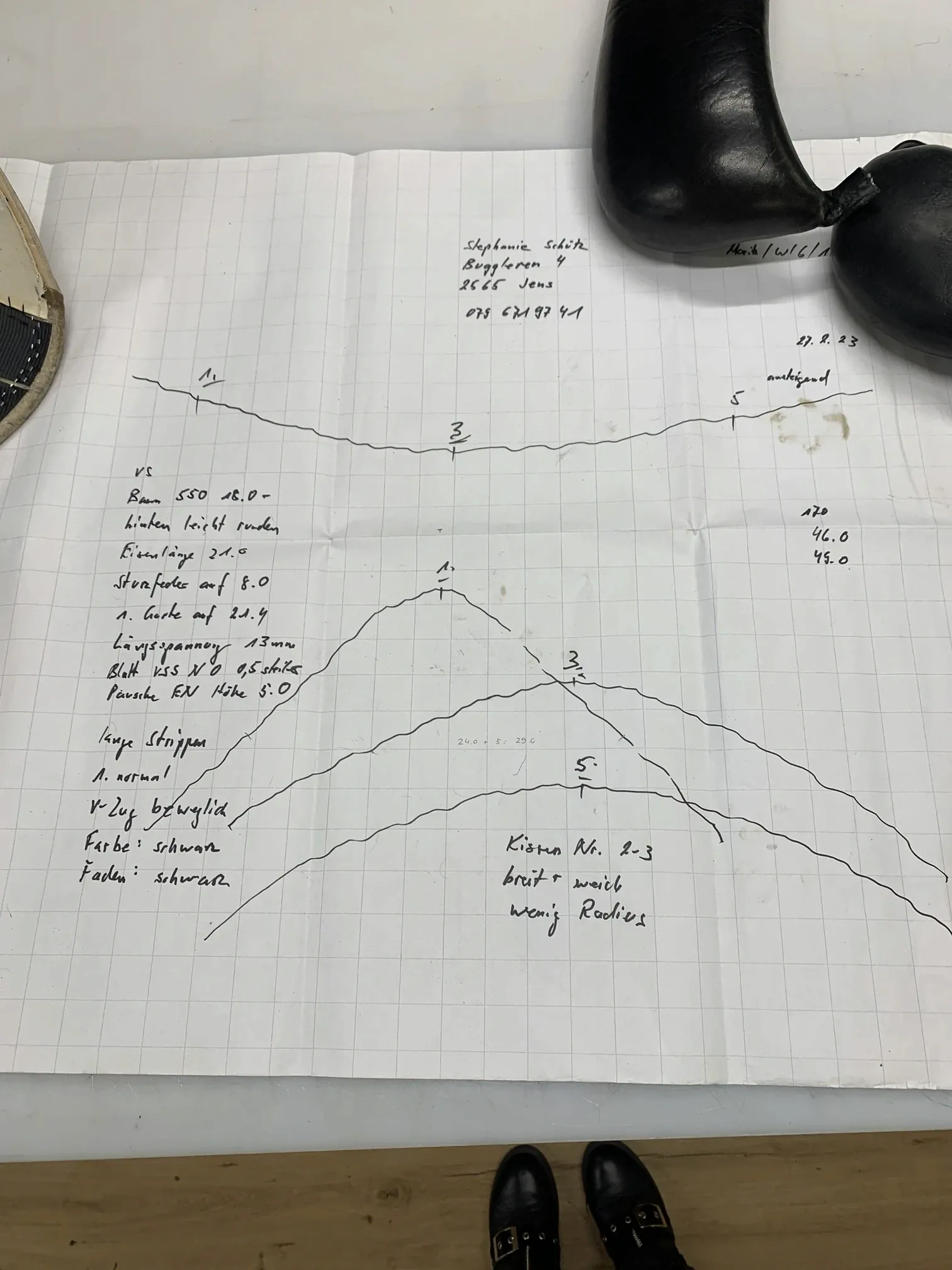
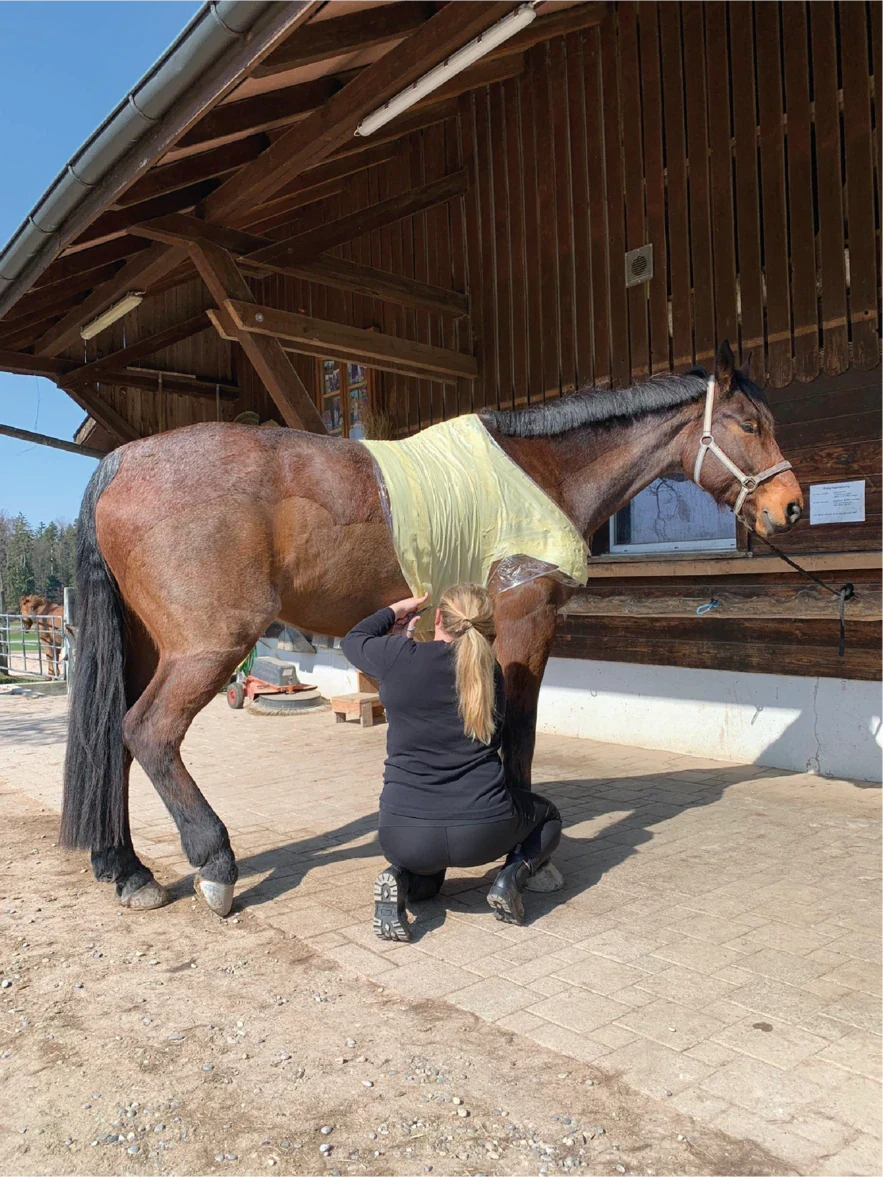
Practical Experiments: Used Lidar and NeRF technologies to scan horses and riders, refining our user-centered, tech-driven saddle fitting approach based on real-world data. This validated our concepts and guided development.
- Information Architecture
- User Flow
- Technical Measurement Diagram
- Branding
App User Flow
Information Architecture
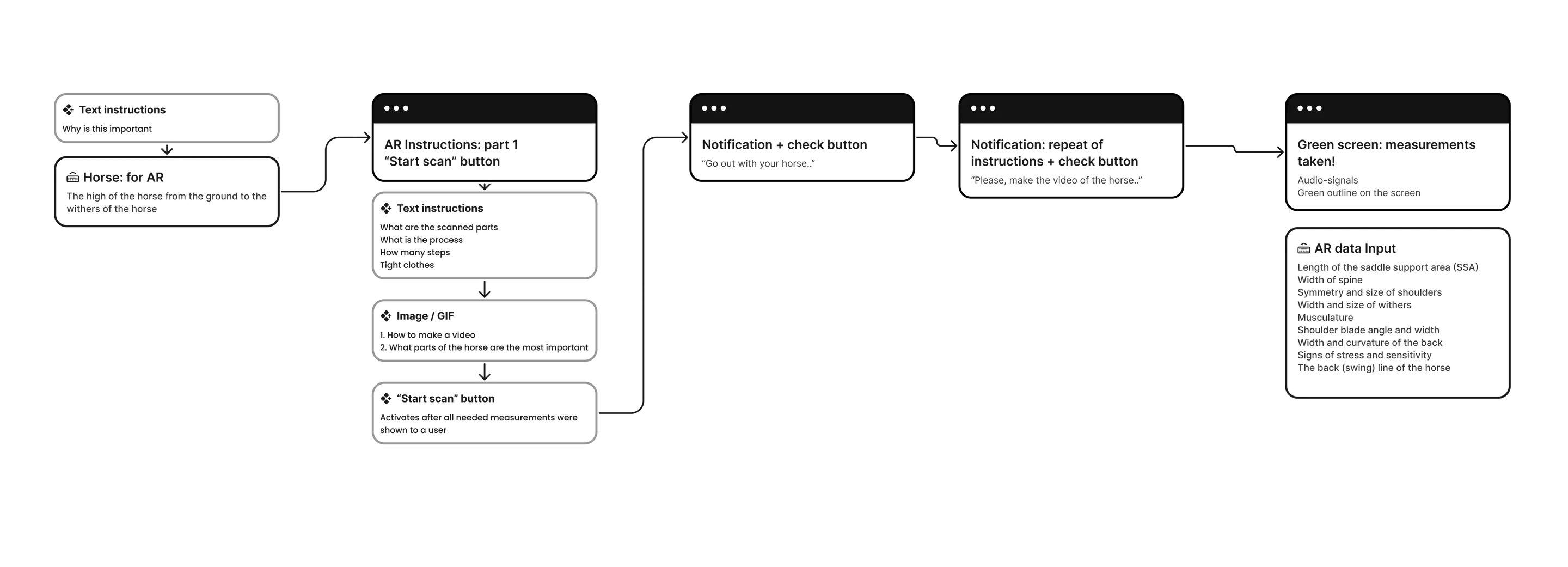
This diagram outlines the step-by-step user flow for collecting AR measurements during the saddle fitting process. It begins with text instructions on why measurements are important, followed by guidance for scanning the horse. The process involves multiple stages of instructions, notifications, and confirmations, ensuring the user correctly captures all necessary data. After measurements are taken, the AR input is analyzed to provide accurate saddle fitting recommendations based on specific horse anatomy data.
Technical Measurement Diagram of Saddle Tree
Information Architecture
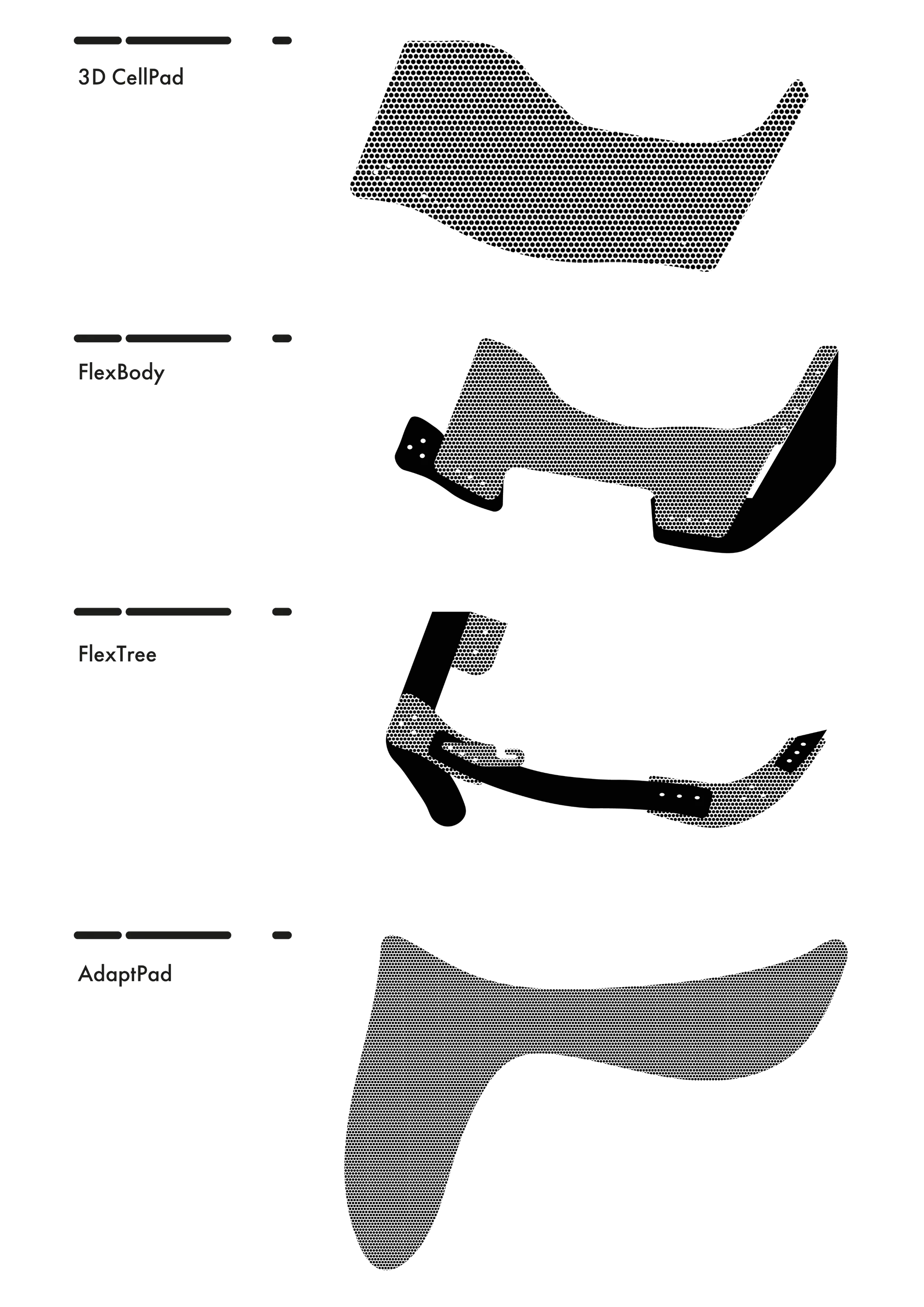
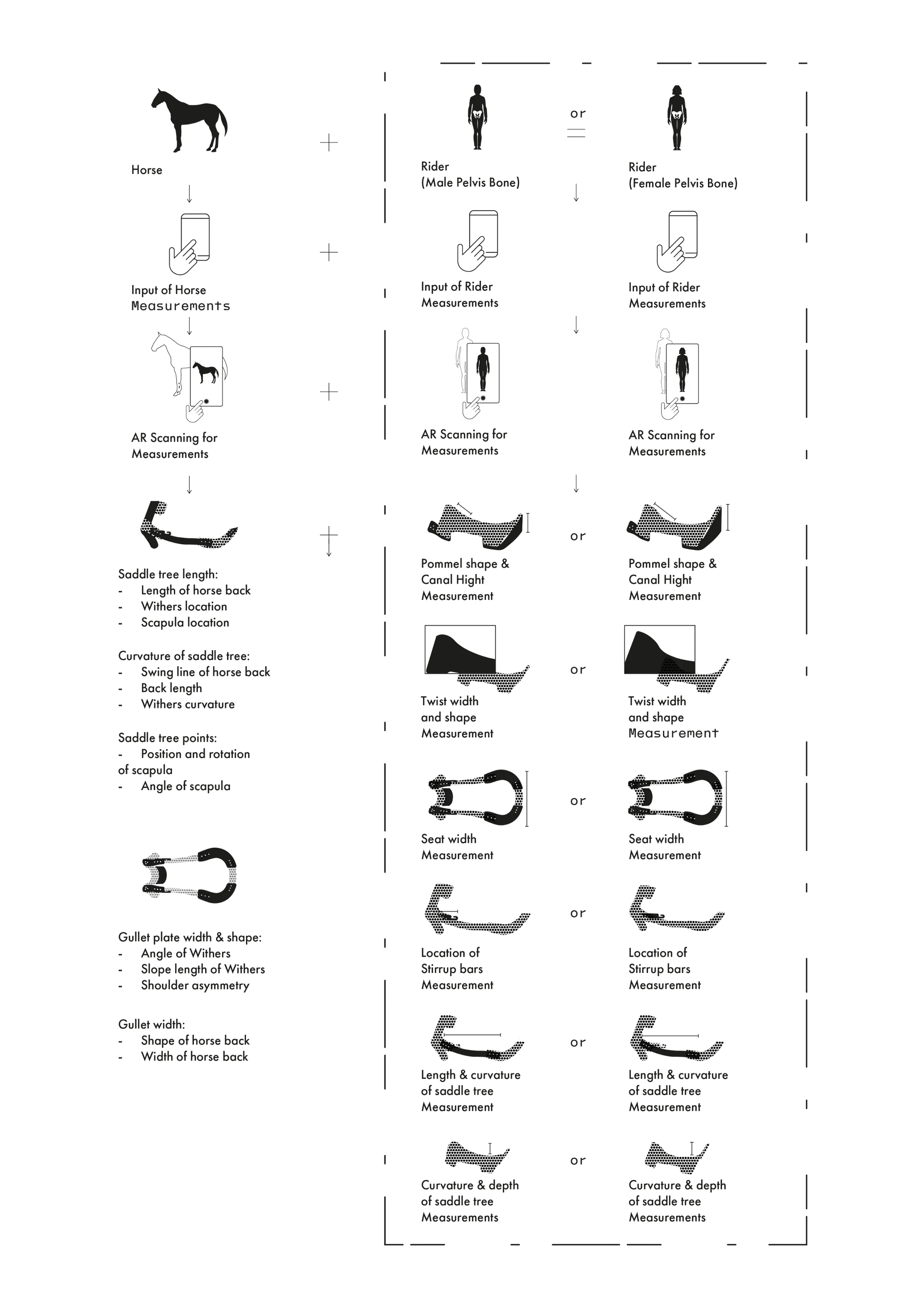
This technical diagram illustrates the comprehensive saddle tree design, incorporating the 3D CellPad, FlexBody, FlexTree, and AdaptPad components. Each element is developed using precise measurements captured through advanced AR scanning and Lidar technology to ensure a custom fit for both rider and horse.
Moodboard
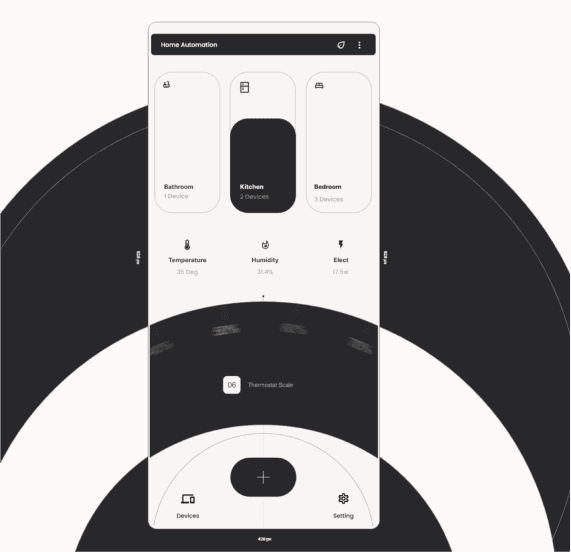
The visual style blends geometric shapes, clean lines, and muted tones for a striking yet sophisticated look. Combining vintage-inspired forms with modern minimalism creates a timeless, elegant aesthetic focused on clarity and precision.


Branding
- Logo
- Colour Scheme
Our minimalist branding style is reflected in the clean, modern logo and straightforward color palette. Inspired by the mood board, the logo for “Lucallian” uses simple lines and shapes to evoke a sense of sophistication and clarity.
The typeface “Allianz” complements this approach with its bold yet refined look.
The color scheme, featuring crisp whites, deep black, and a striking orange, adds a touch of vibrancy while maintaining a balanced, professional aesthetic.
Typeface: Allianz
- #FFFFFF
- #F0F0EE
- #FE5A00
- #000000
System Design
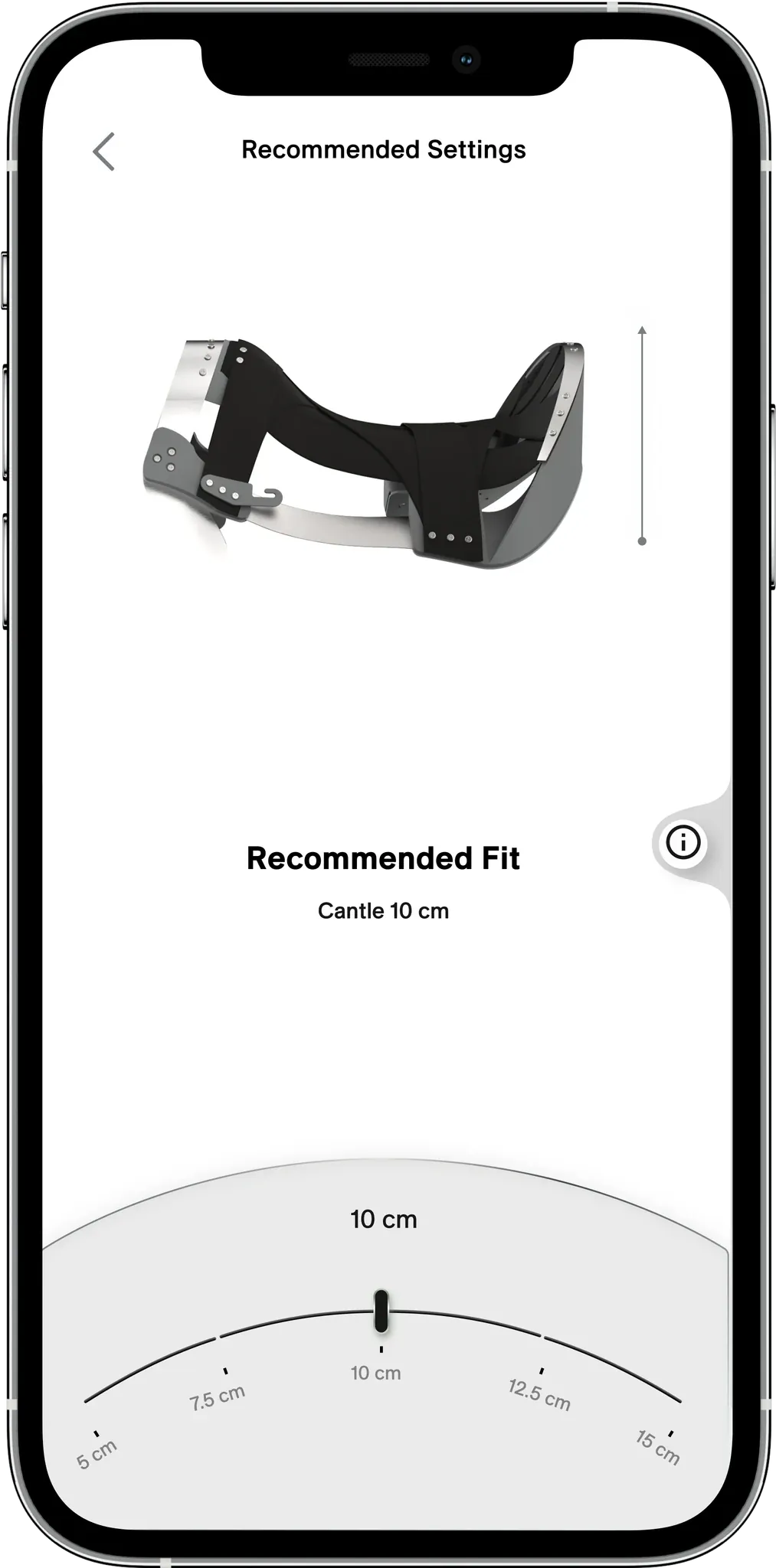
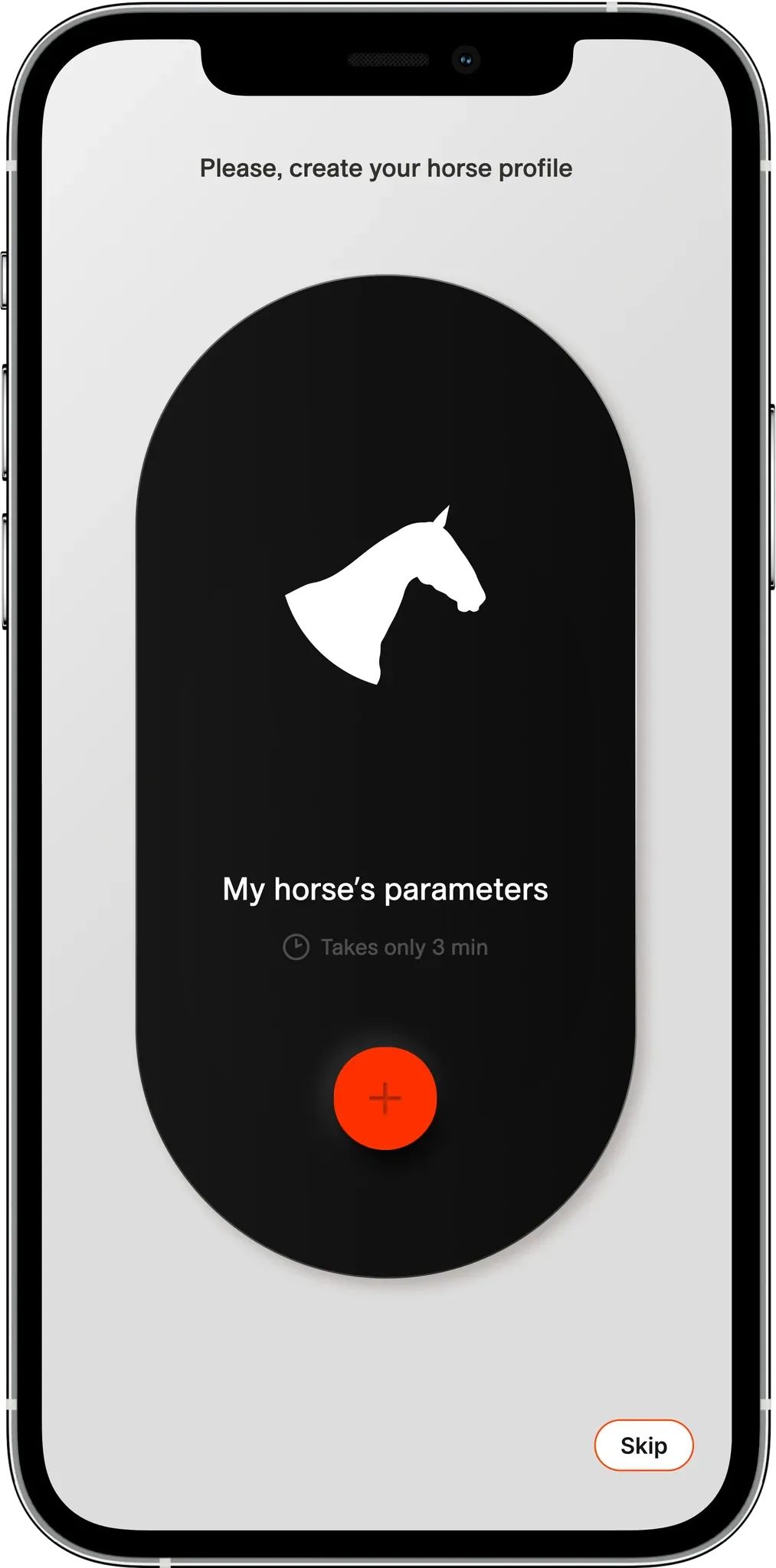
The smartphone app features a user-centric design that integrates AR scanning for an intuitive and interactive saddle fitting experience. With a clean interface and guided steps, users can effortlessly measure both rider and horse biomechanics, following the streamlined process provided.
Assets
The key assets for our application blend minimalist design with vintage and classic elements, using a bold color scheme to enhance both usability and visual appeal.

Horse Profile
A clean, intuitive icon designed for easy selection and viewing of your horse profile.

Horse Measurement
A simple, user-friendly slider that helps users switch between traditional ‘hands’ and ‘cm’ for measuring horses, providing a clear and functional interface to ensure accurate input.
Cantle Height Personalisation
A refined tool for adjusting cantle height, with a clean, analog-inspired design that emphasizes clarity and control.
Cantle Width for Rider
A simple yet effective tool, inspired by classic measuring devices, ensuring precise cantle width selection for the rider.
Colour Library
A color library that lets users personalize their experience, blending simplicity with expressive choices to match their style.
Nav Bar
A well-organized layout that balances visual appeal with usability, making it easy for users to navigate and access key information quickly.
Digital Fitting Process
This steps involve capturing rider and horse details through photos and videos. It covers everything from basic measurements to horse movement analysis, ending with a customized fit to ensure optimal comfort and performance. Each step is timed for a smooth and efficient experience.
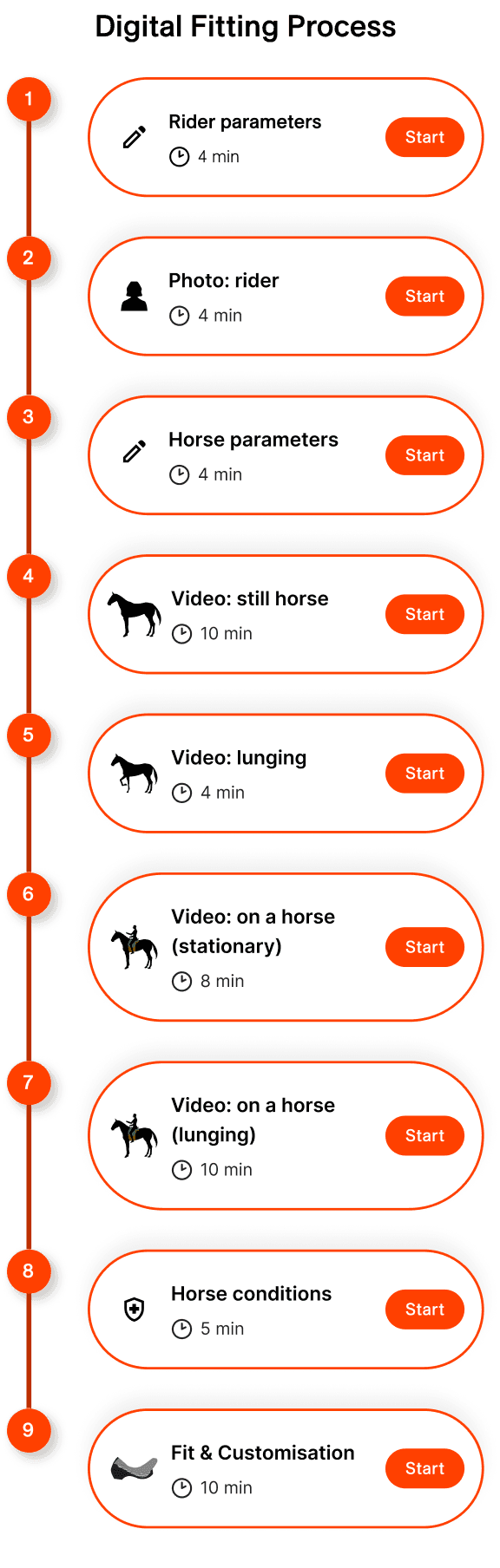
Rider's Parameters
These screens guide users through setting up their rider profile, collecting essential details like contact info, body metrics, and medical conditions. The intuitive design focuses on capturing critical data for a precise and comfortable saddle fit.
Picture to 3D model
These steps involve capturing the rider’s details through a photo. It will convert everything from basic measurements to a custom 3D model of the rider.
Horse Biomechanics Measurements
These screens allow users to input detailed data on their horse’s biomechanics, including name, breed, sport type, and any medical conditions marked on a 3D model.
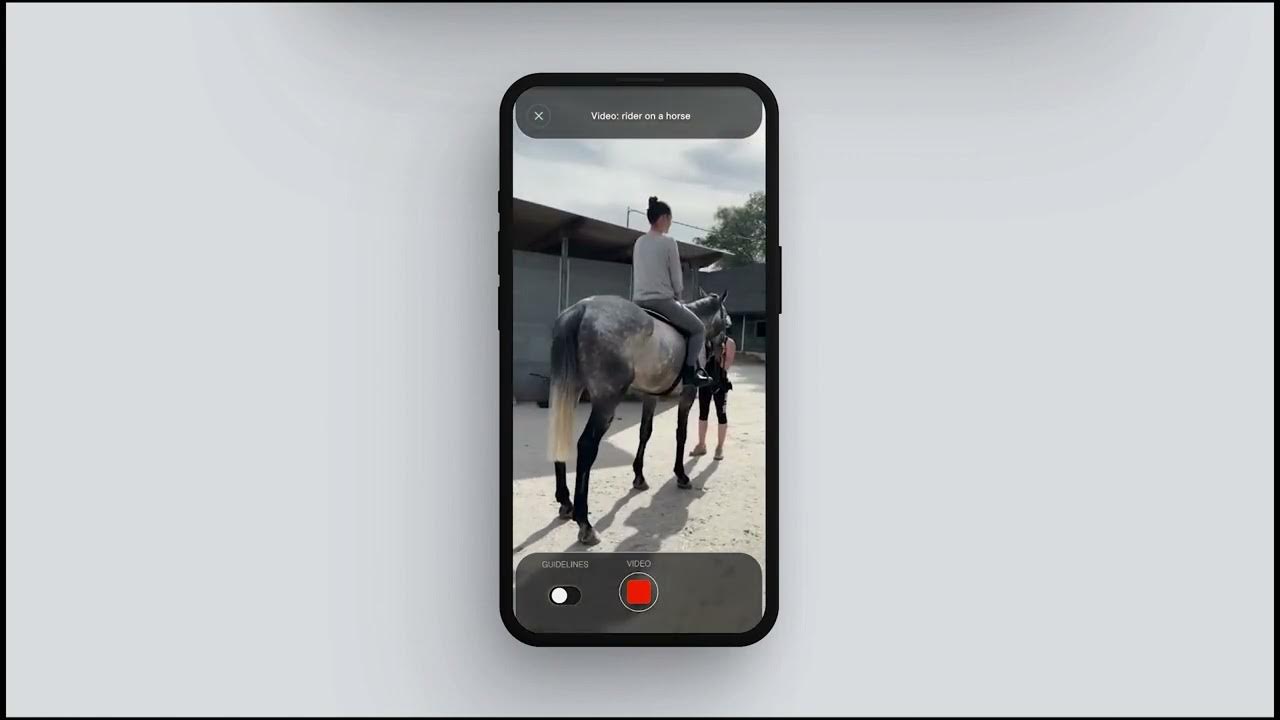
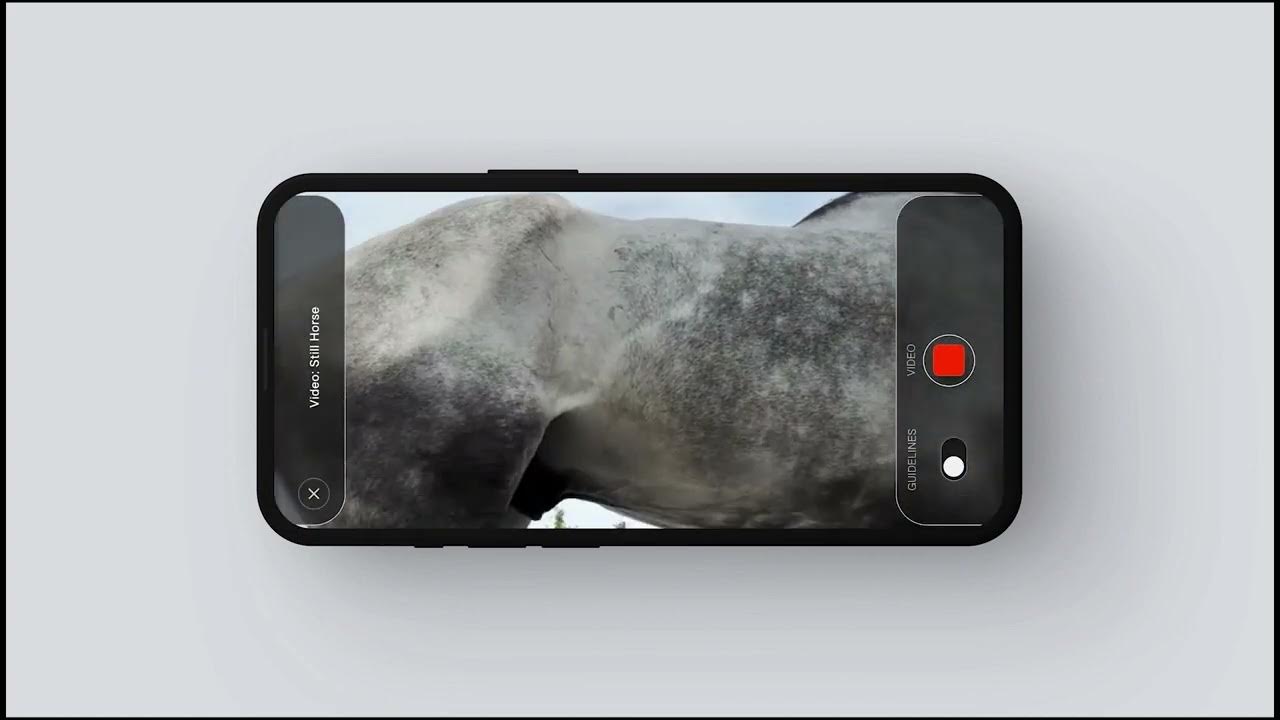
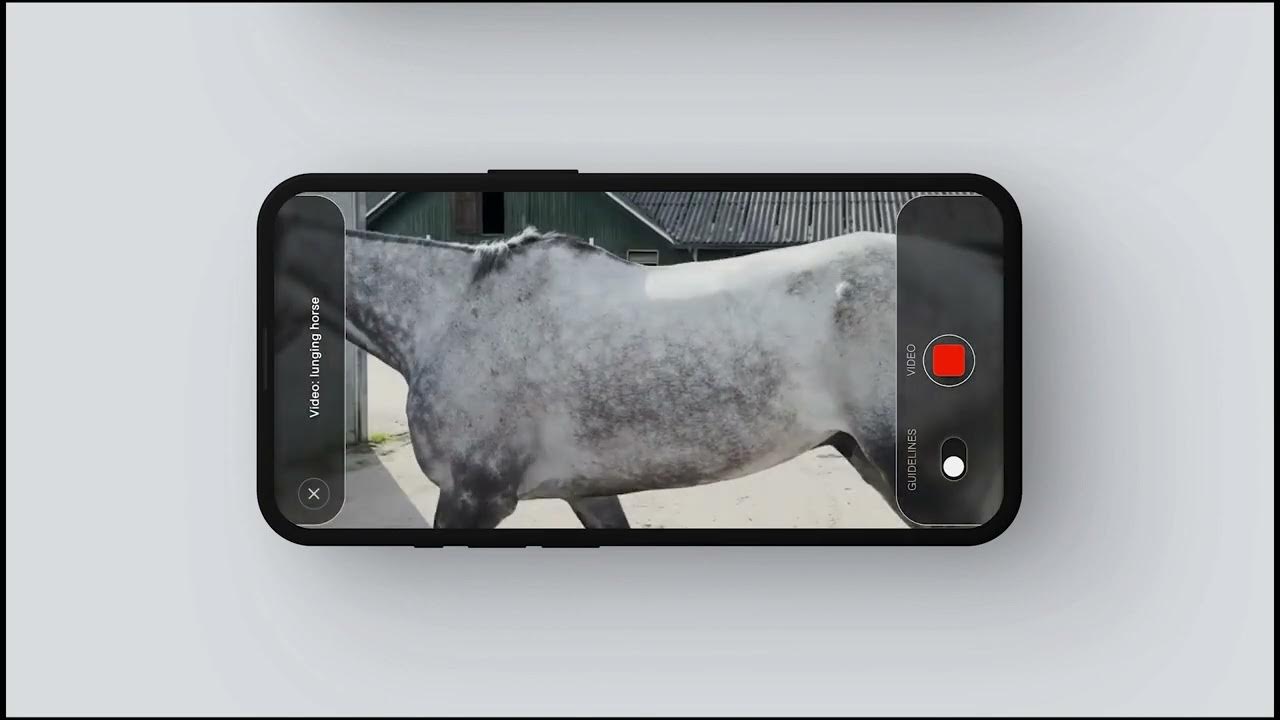
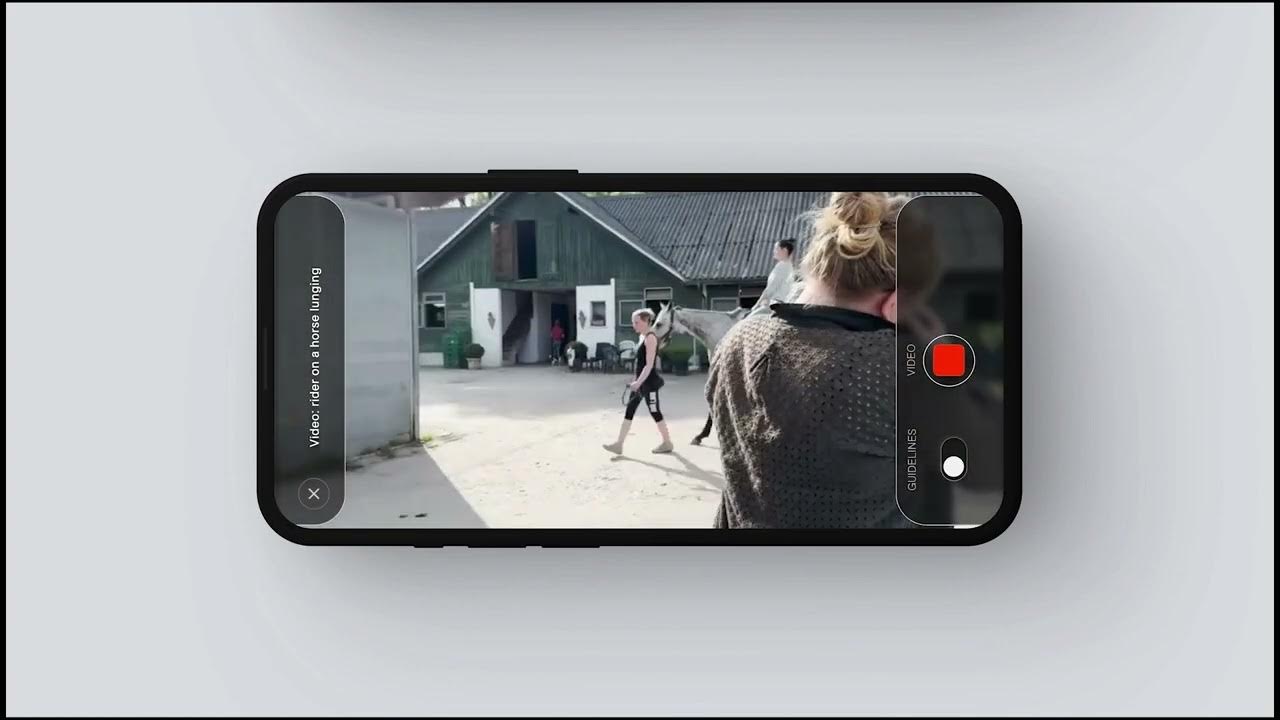
Video to 3D model
This section allows users to create detailed 3D models of their horse’s movements from video captures. By recording from multiple angles, the app generates a comprehensive model, offering insights into biomechanics to customize fittings for optimal performance and comfort.
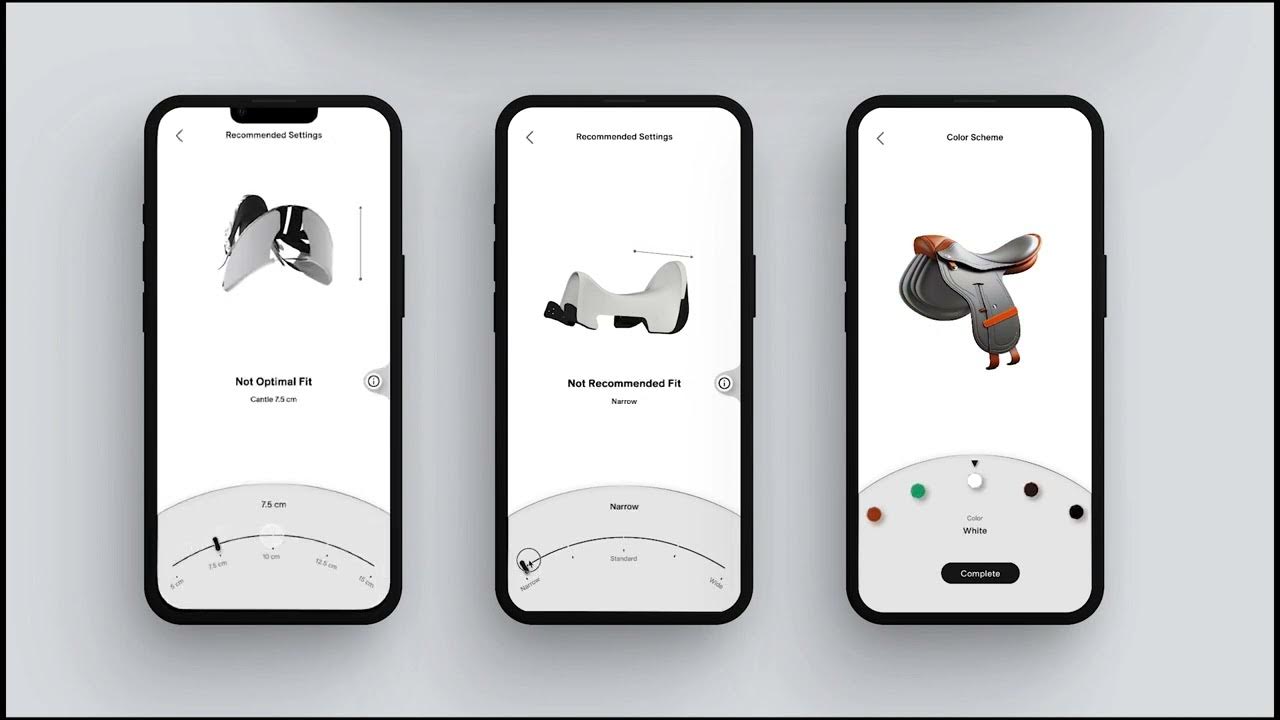
Saddle customisation
The users can personalize saddle designs based on specific needs and measurements. Through an interactive interface, users can adjust various parameters such as seat size, panel shape, and flap length to achieve the perfect fit for both rider and horse. The customization tool provides real-time 3D visualization of the saddle, helping users make informed decisions for optimal comfort and performance. This feature ensures that each saddle is tailored precisely, enhancing the riding experience by balancing support and freedom of movement.

System Design
Our Saddle Tree Design blends technology with biomechanics for a custom, adaptive fit, ensuring comfort and support for both rider and horse.
Research and Conceptualization
Anatomical Analysis: We began by studying the detailed anatomy of horses and riders, focusing on how different body structures impact saddle fit.
Gender-Specific Design Considerations: We incorporated insights on gender-specific biomechanics to ensure the saddle tree design would accommodate both male and female riders comfortably.
Measurement System Integration
Data Collection: We used Lidar and NeRF technologies to collect precise measurements of horses and riders, which informed the customization of the saddle tree.
Application Integration: Measurements from our mobile application were seamlessly integrated into the design process, ensuring each prototype was tailored to the specific anatomical data of the rider and horse.
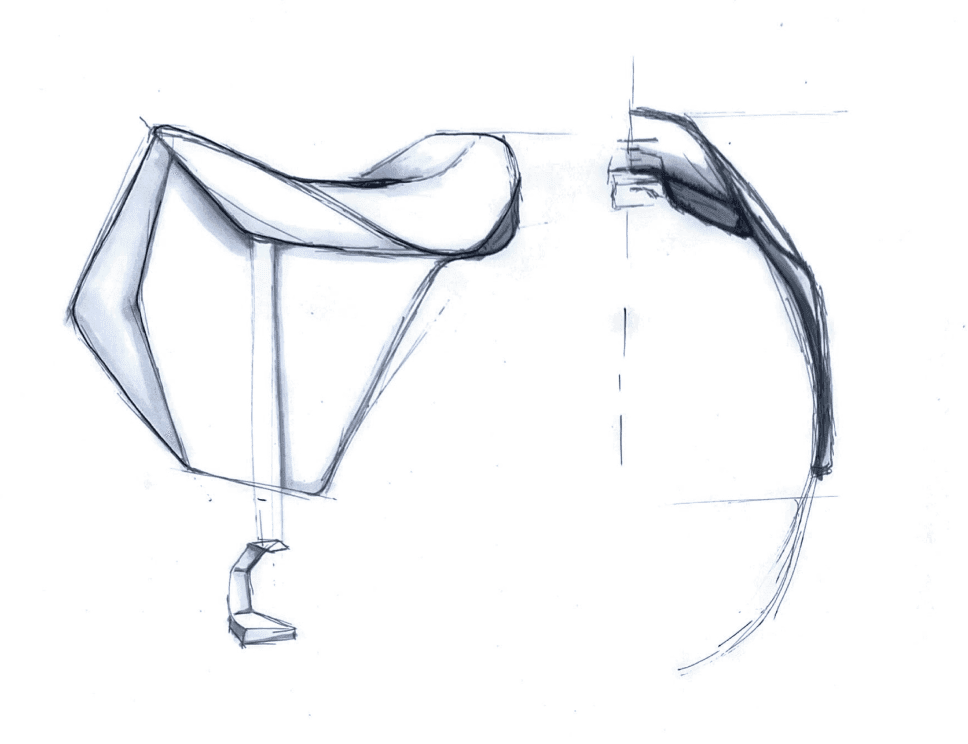
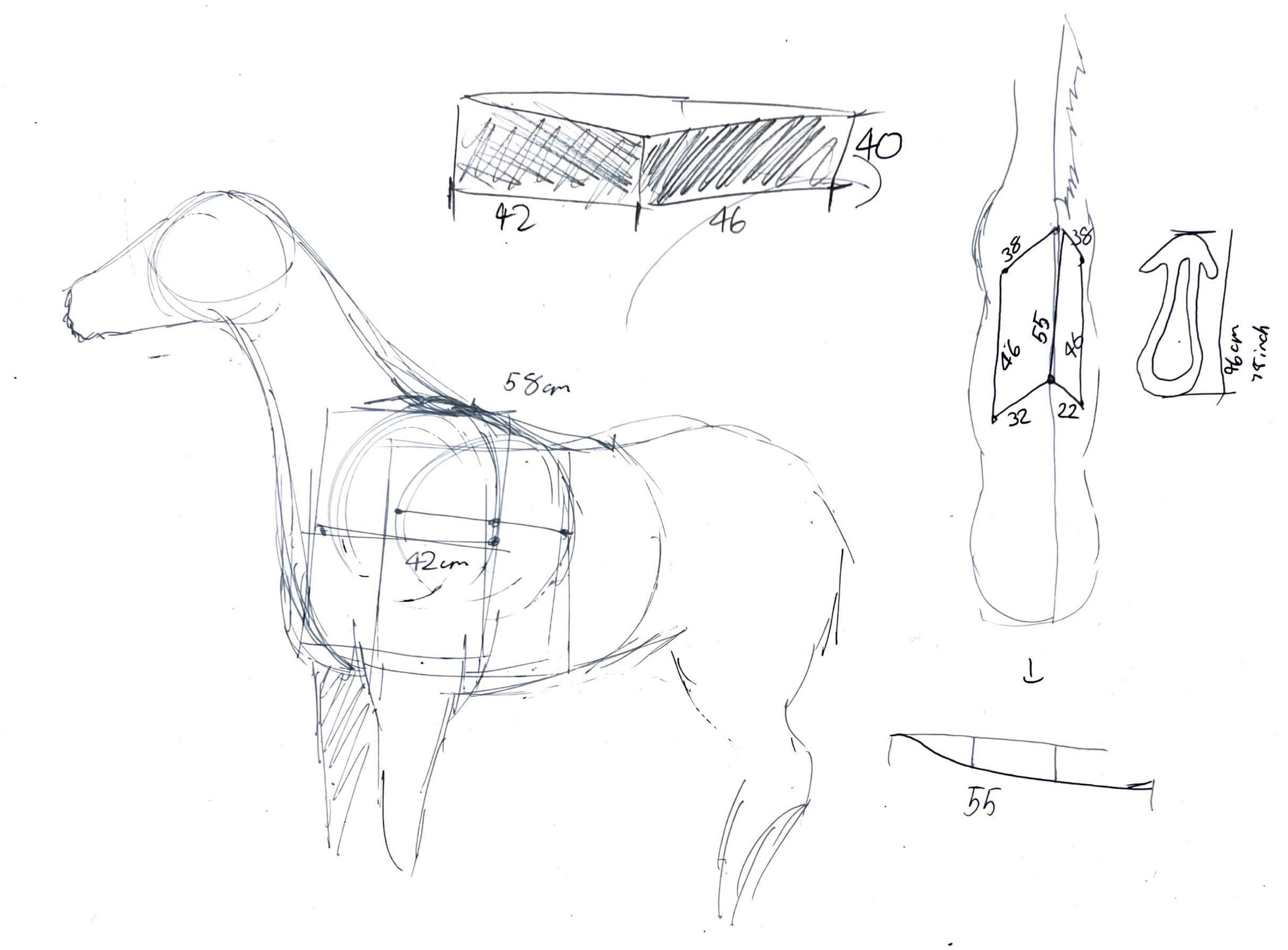
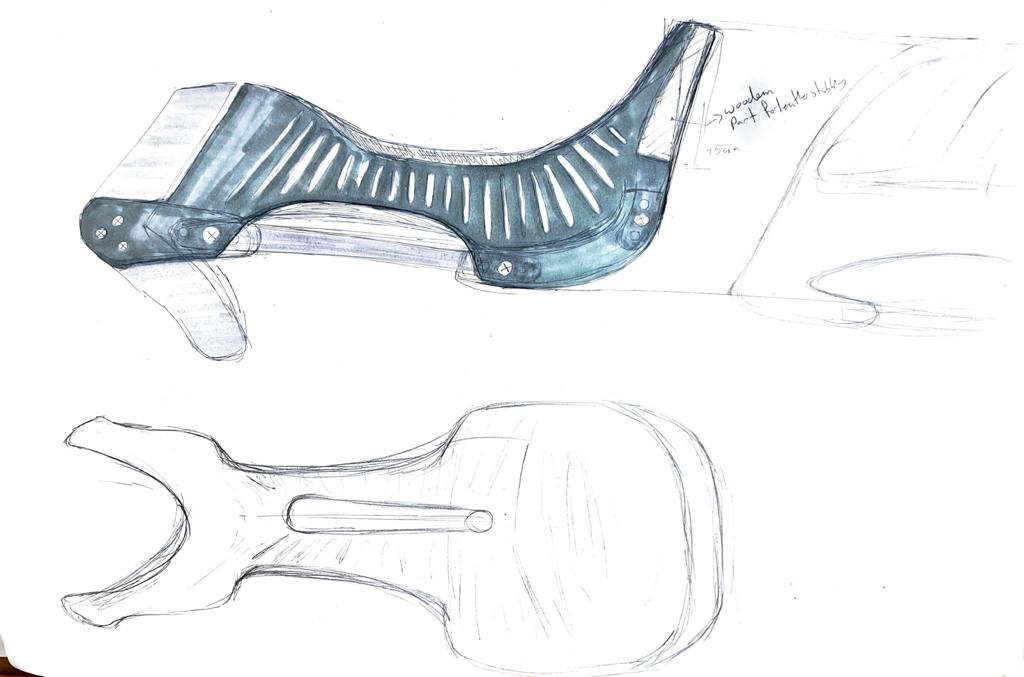
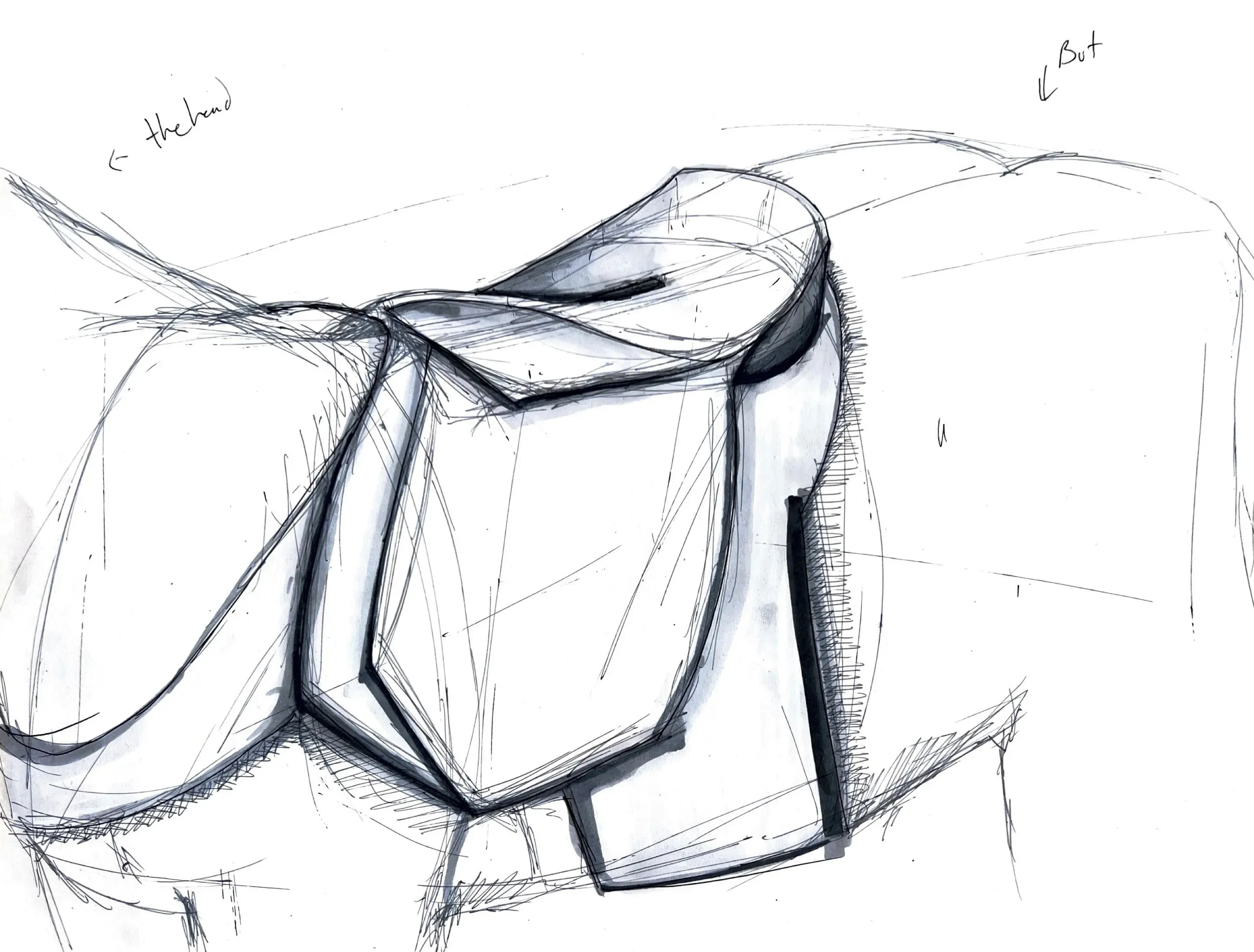
Ideation Sketches
Finding a Saddle Tree system concept with rough Sketches.
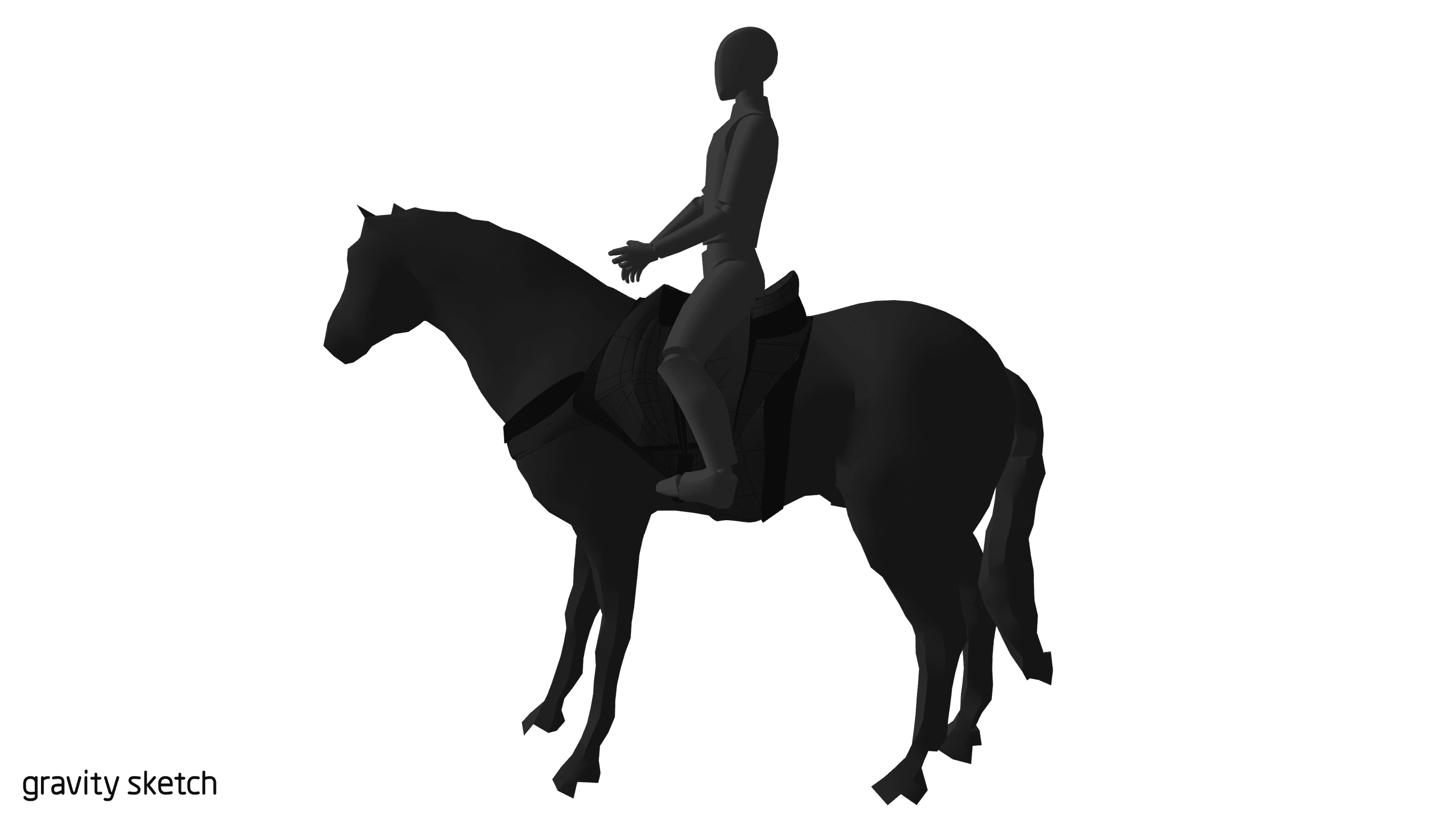
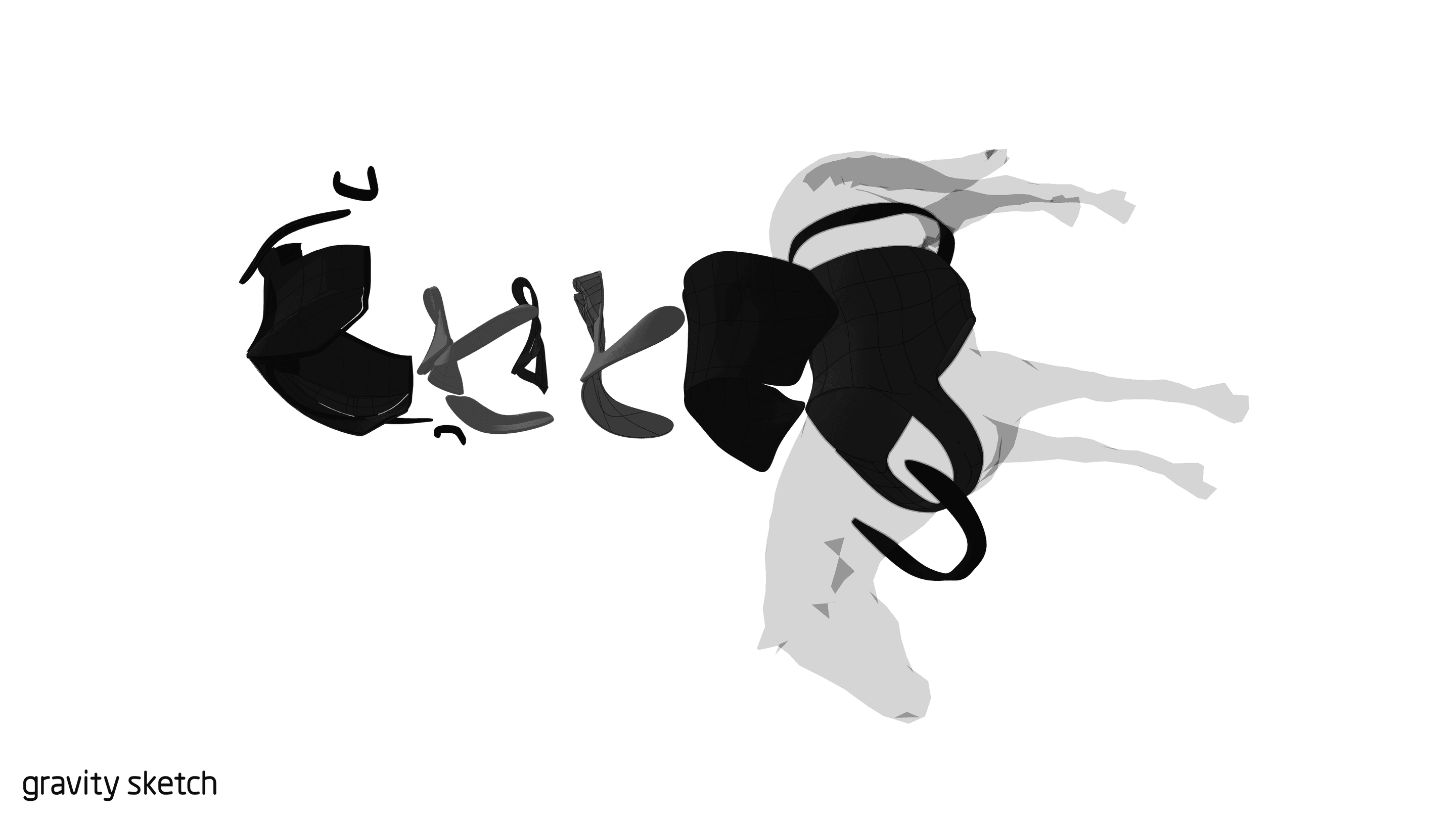
GravitySketch 3D Models
Sketching in VR on the Meta Quest 2 in the program Gravitysketch helped me better visualize the system: because it allows for rapid prototyping.

3D Models (rider)
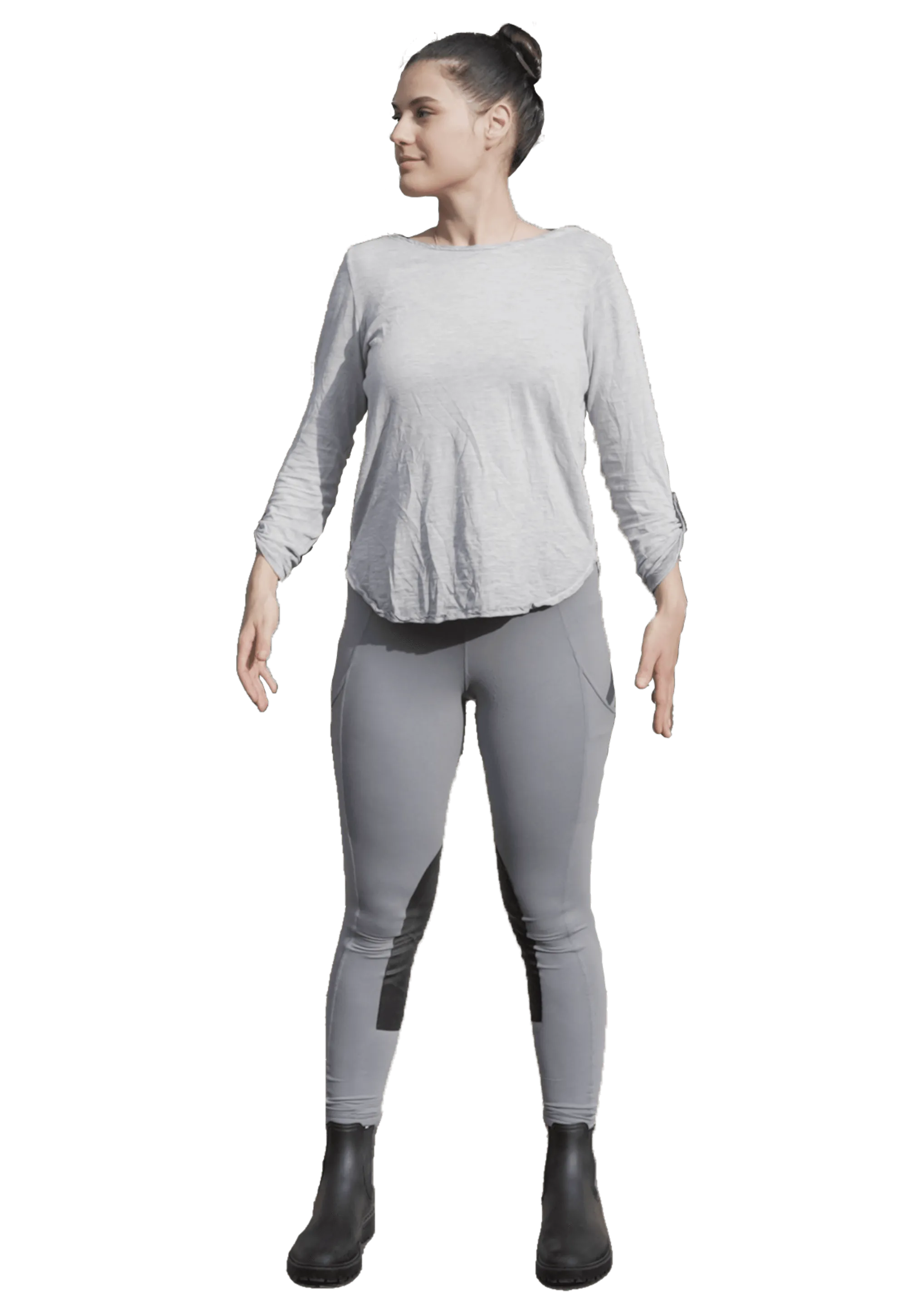
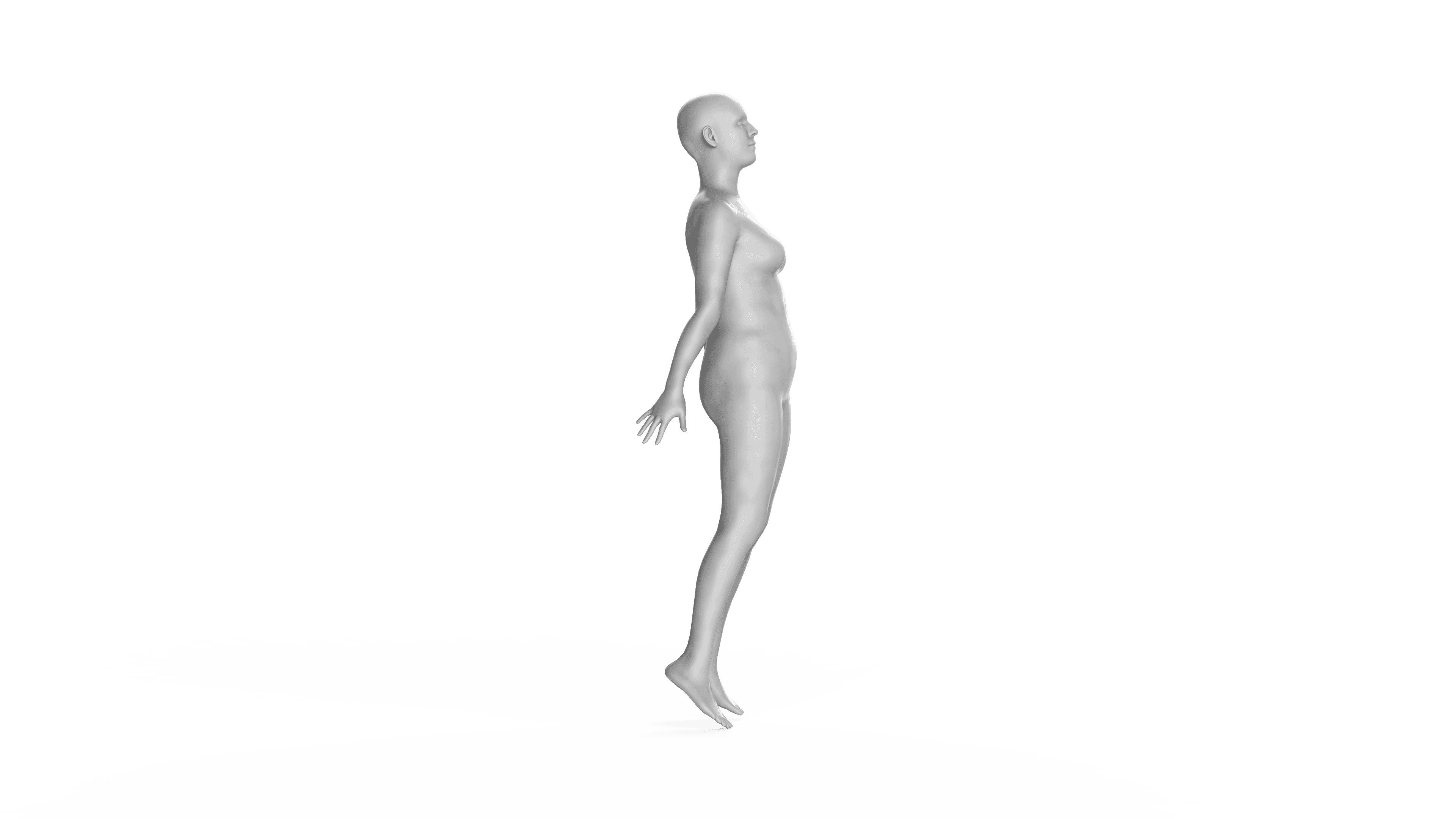
We collaborated with AlterEgo, using their precise 3D model of Dzhulliia. Extracting key measurements like pelvic tilt, inseams, and hip bone width ensured accuracy. This data guided our project to customize saddle fit for comfort and functionality, thanks to AlterEgo's technology.
[Select 3D model to view in 360°]
3D Models (Horse)
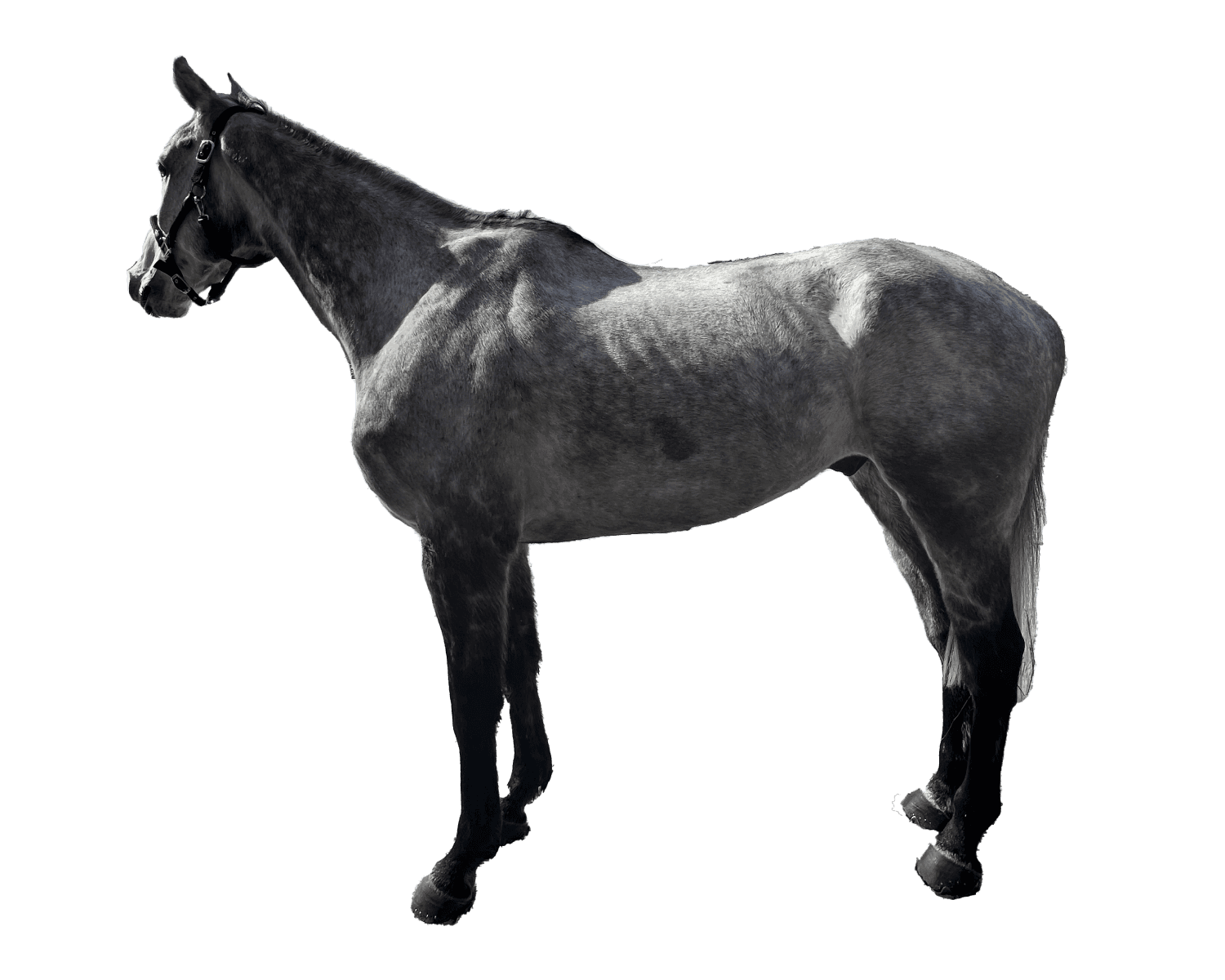
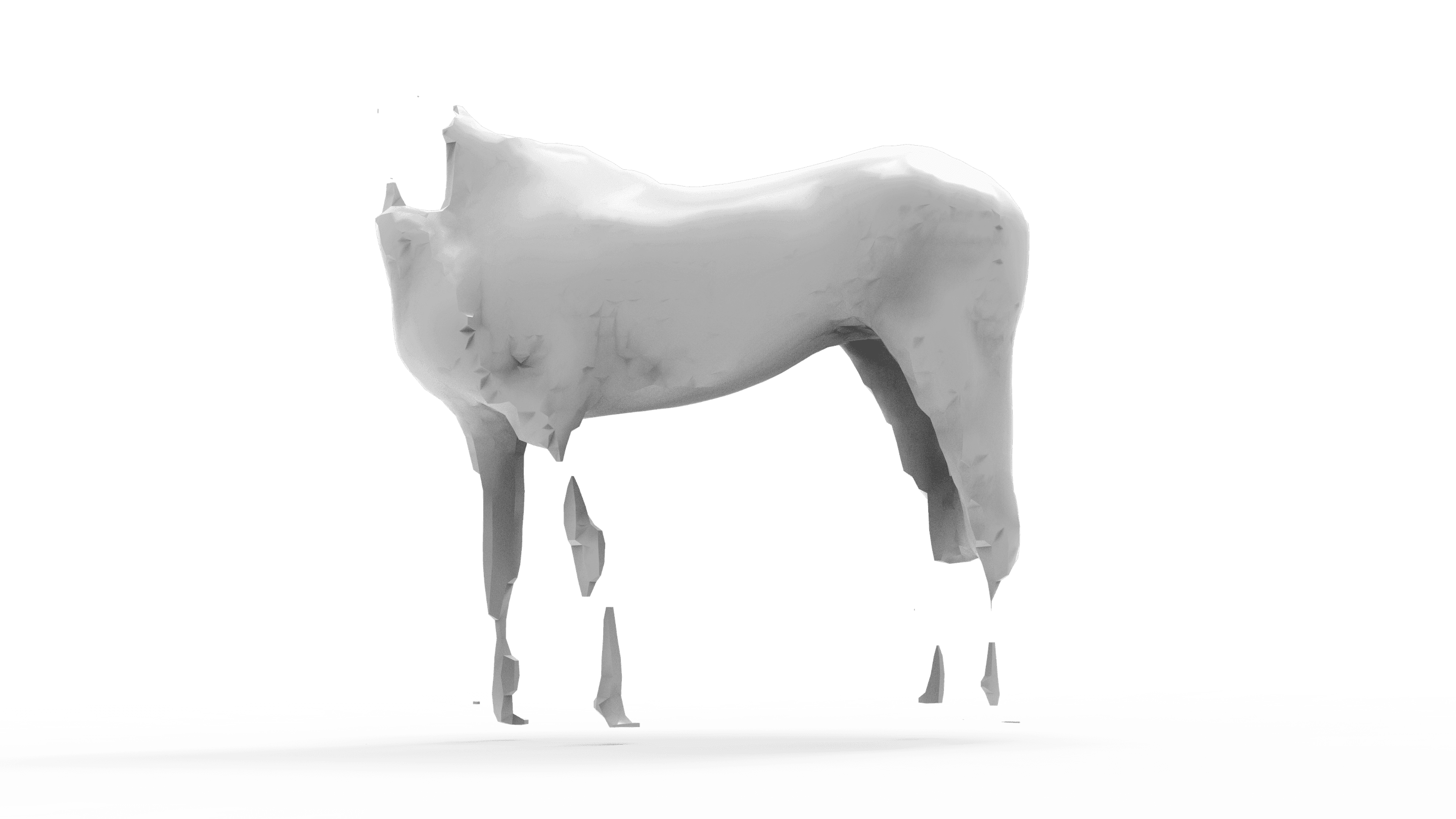
We used the 3D Scanner App to create a precise digital model of Fou de reve, capturing key measurements like saddle support area, spine width, and shoulder symmetry. These insights guided our design for optimal fit and comfort for both horse and rider.
[Select 3D model to view in 360°]
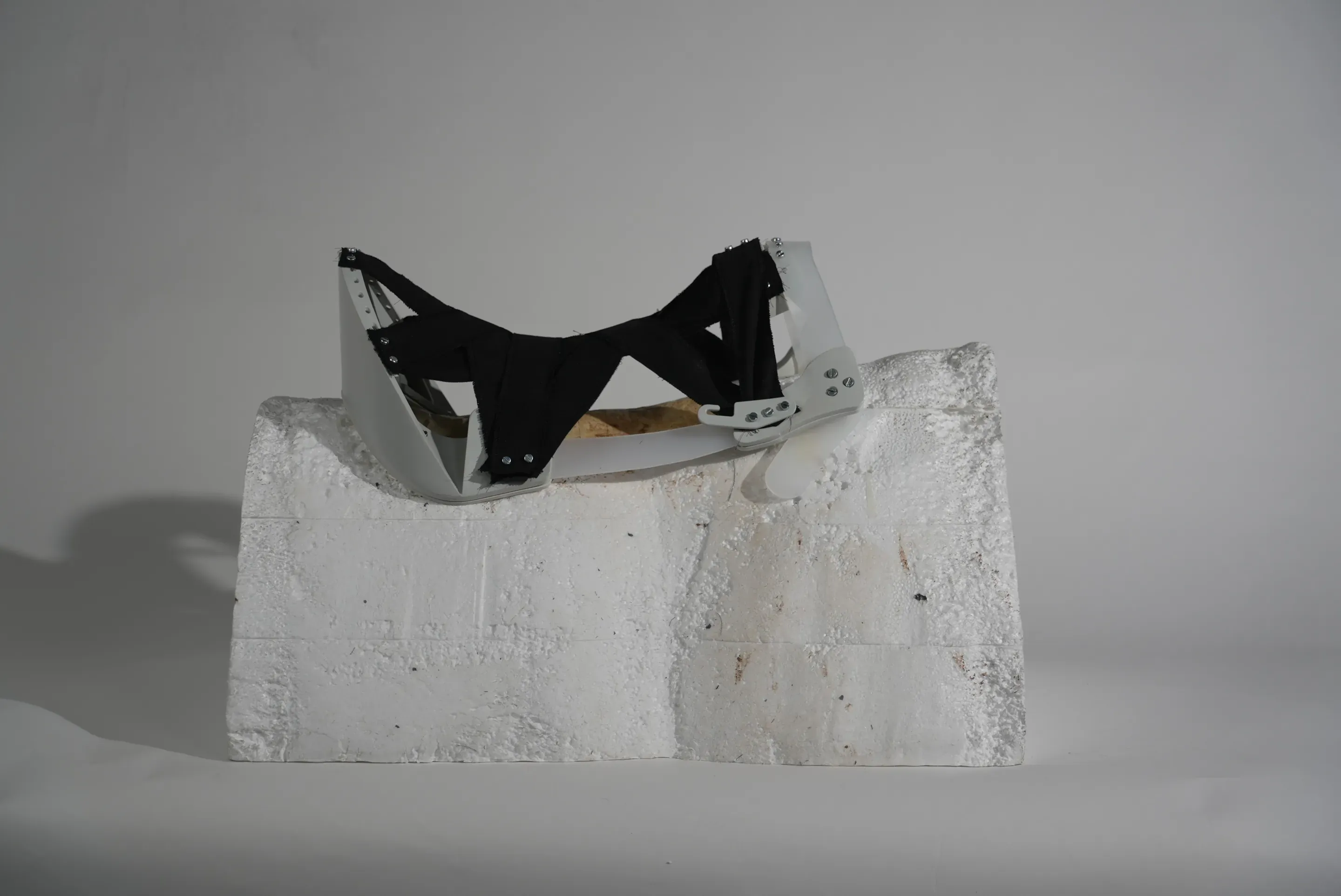
Prototyping
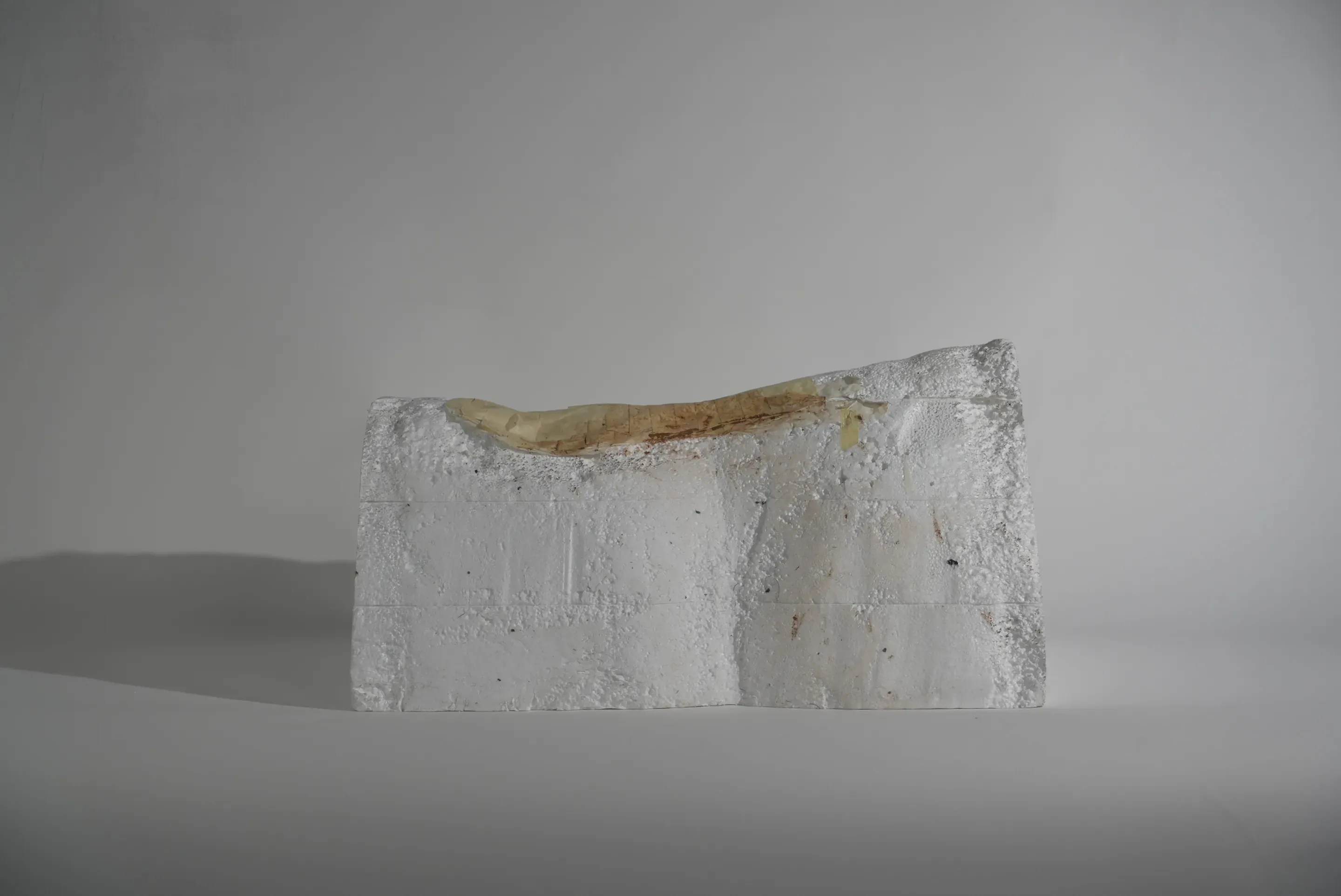
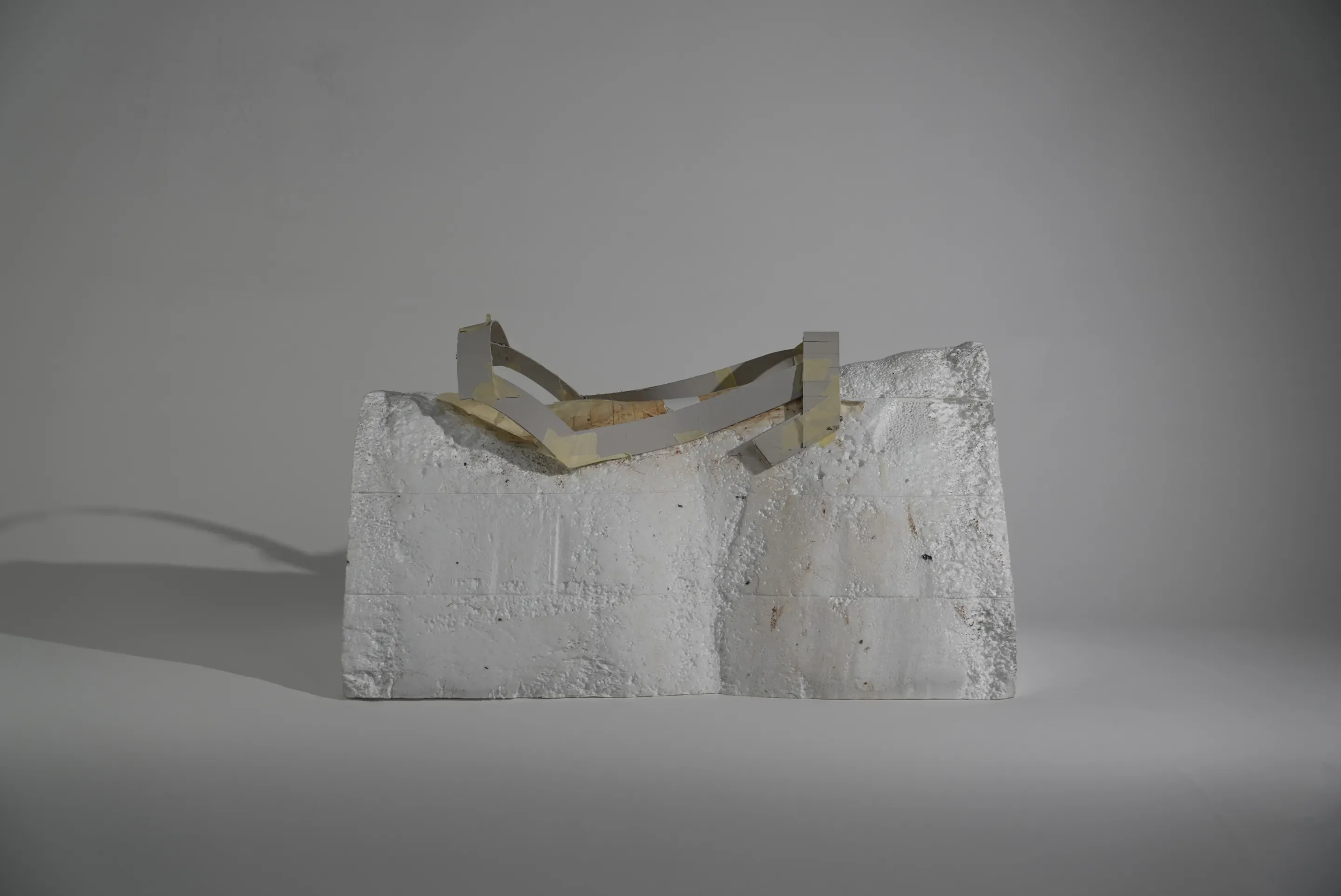
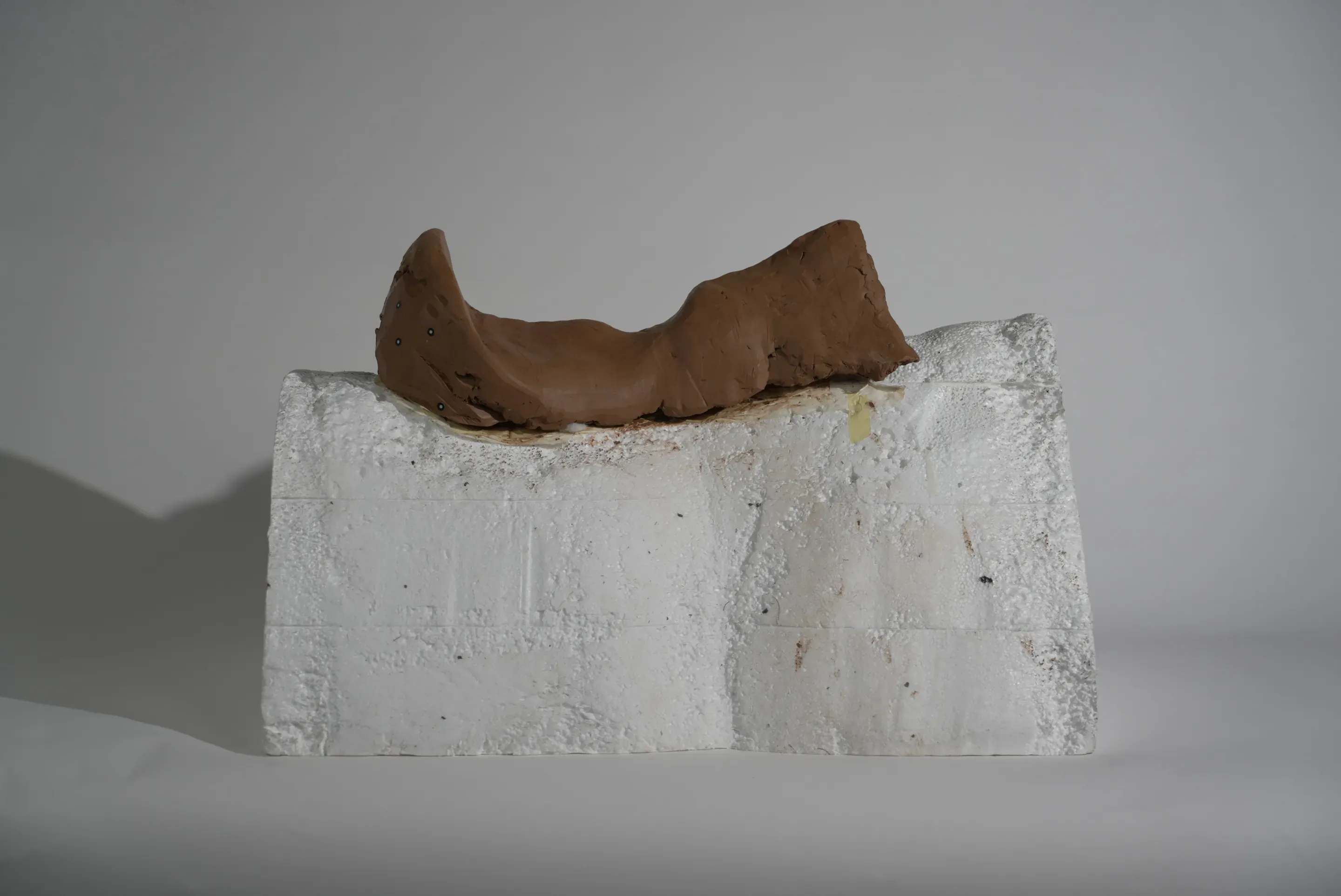
Here, you can witness the iterative evolution of the FlexFit System prototype, a pivotal phase in the development of Lucallian's innovative saddle technology.
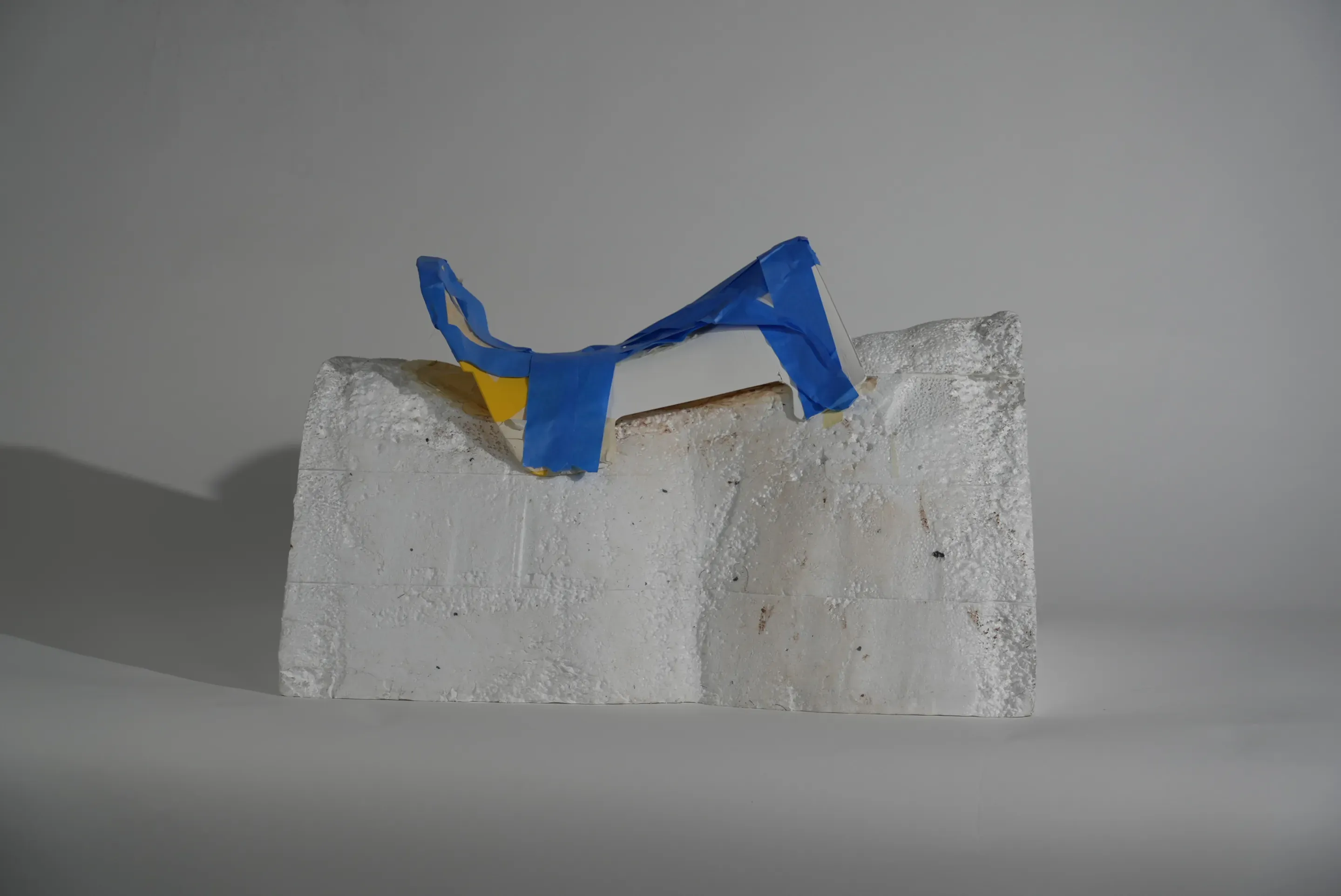
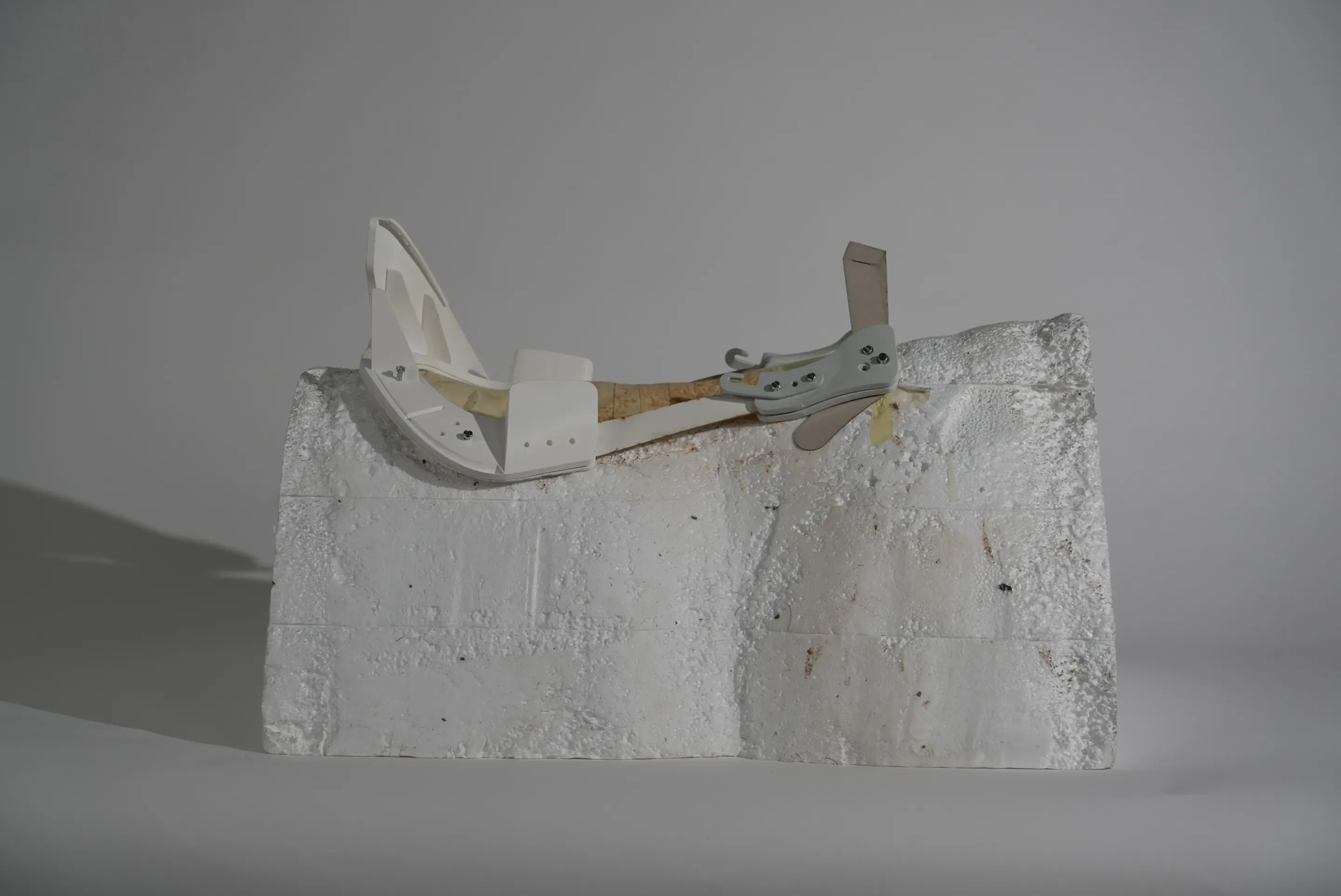
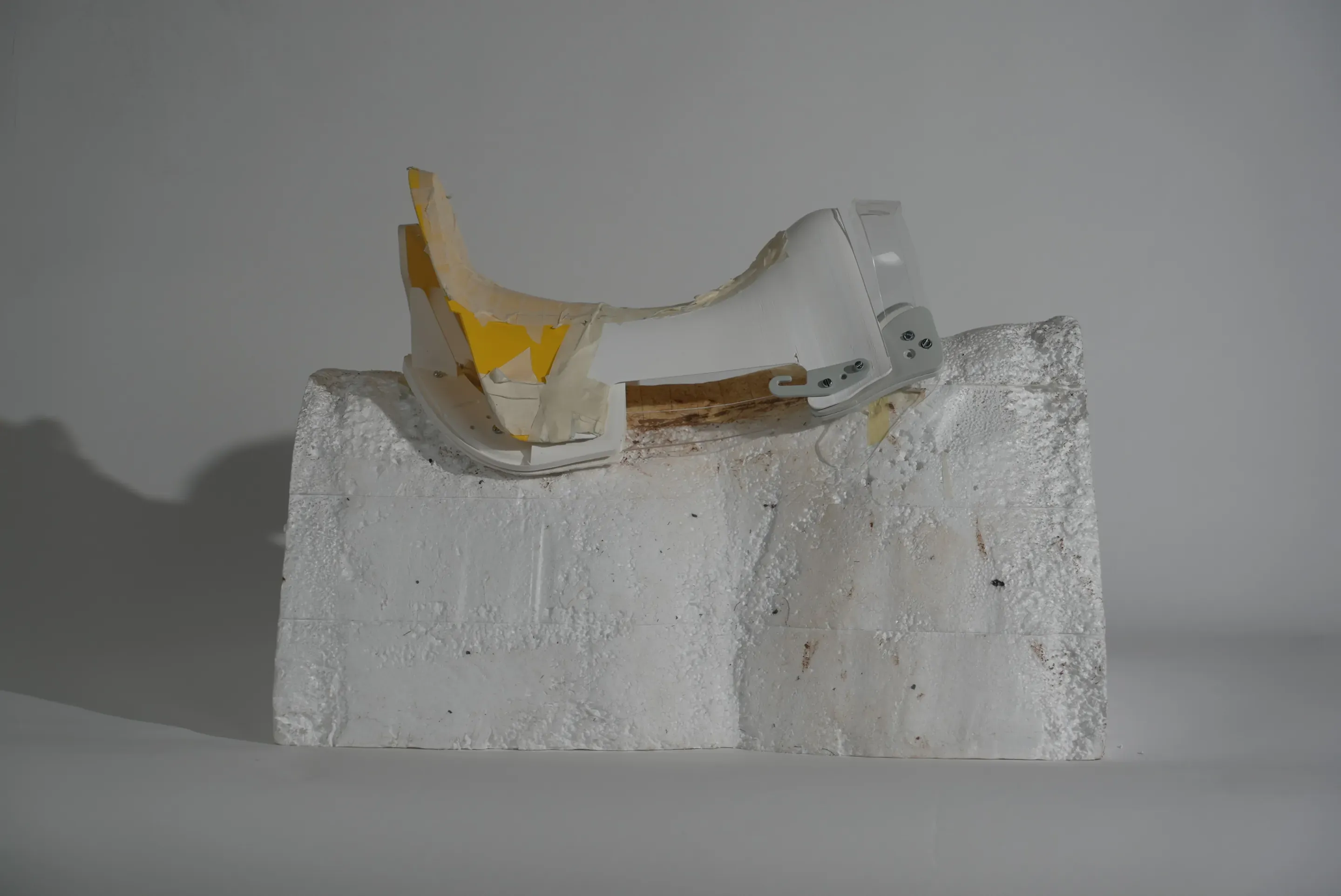
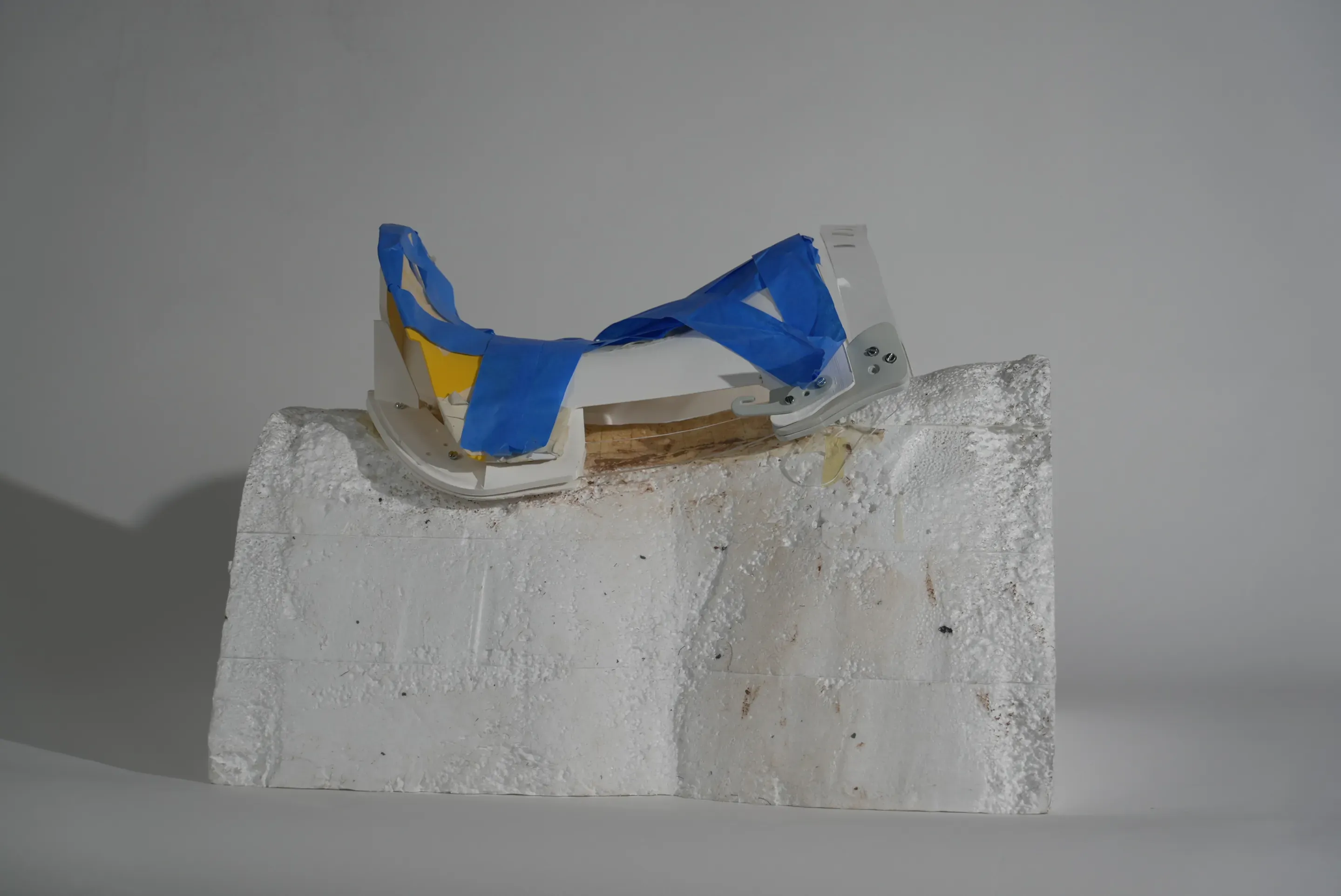
The FlexFit
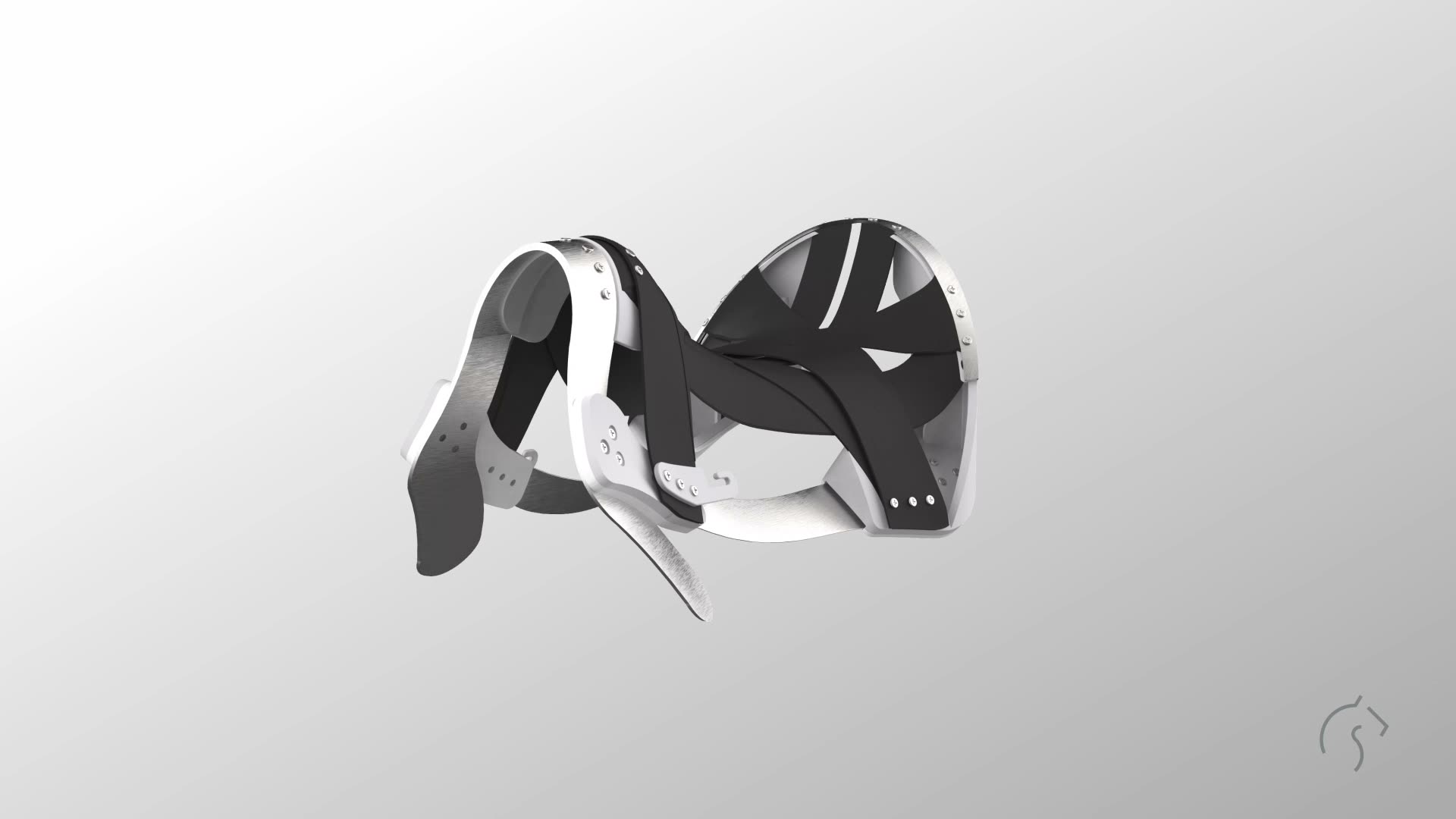
Engineered for a circular, sustainable system.
Flex Body
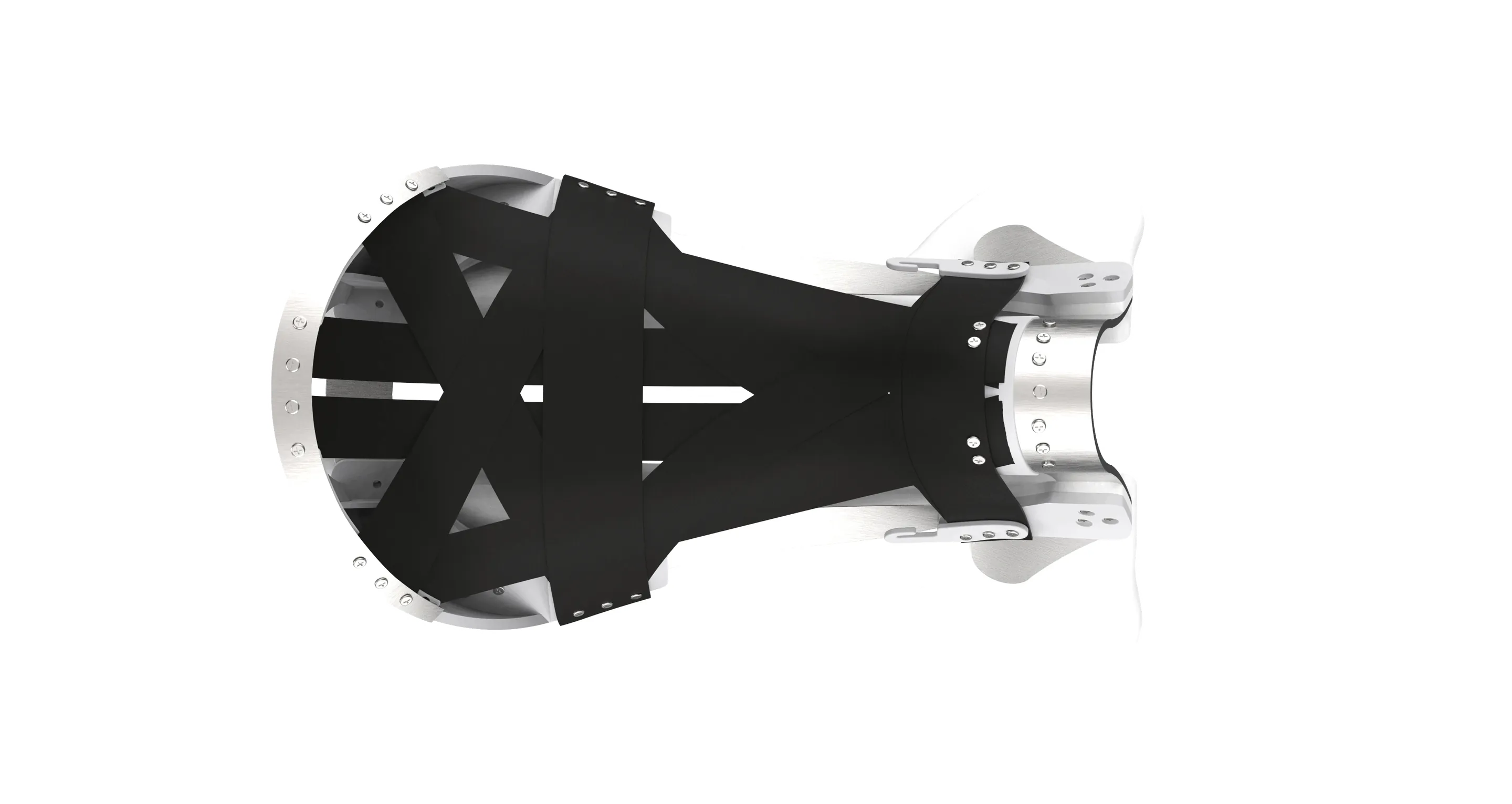
Our innovation lies in designing two separate systems for a saddle tree that compromises less on the health of both rider and horse, unlike many traditional saddles. Both systems are easy to manufacture and can be customized for different measurement sets.
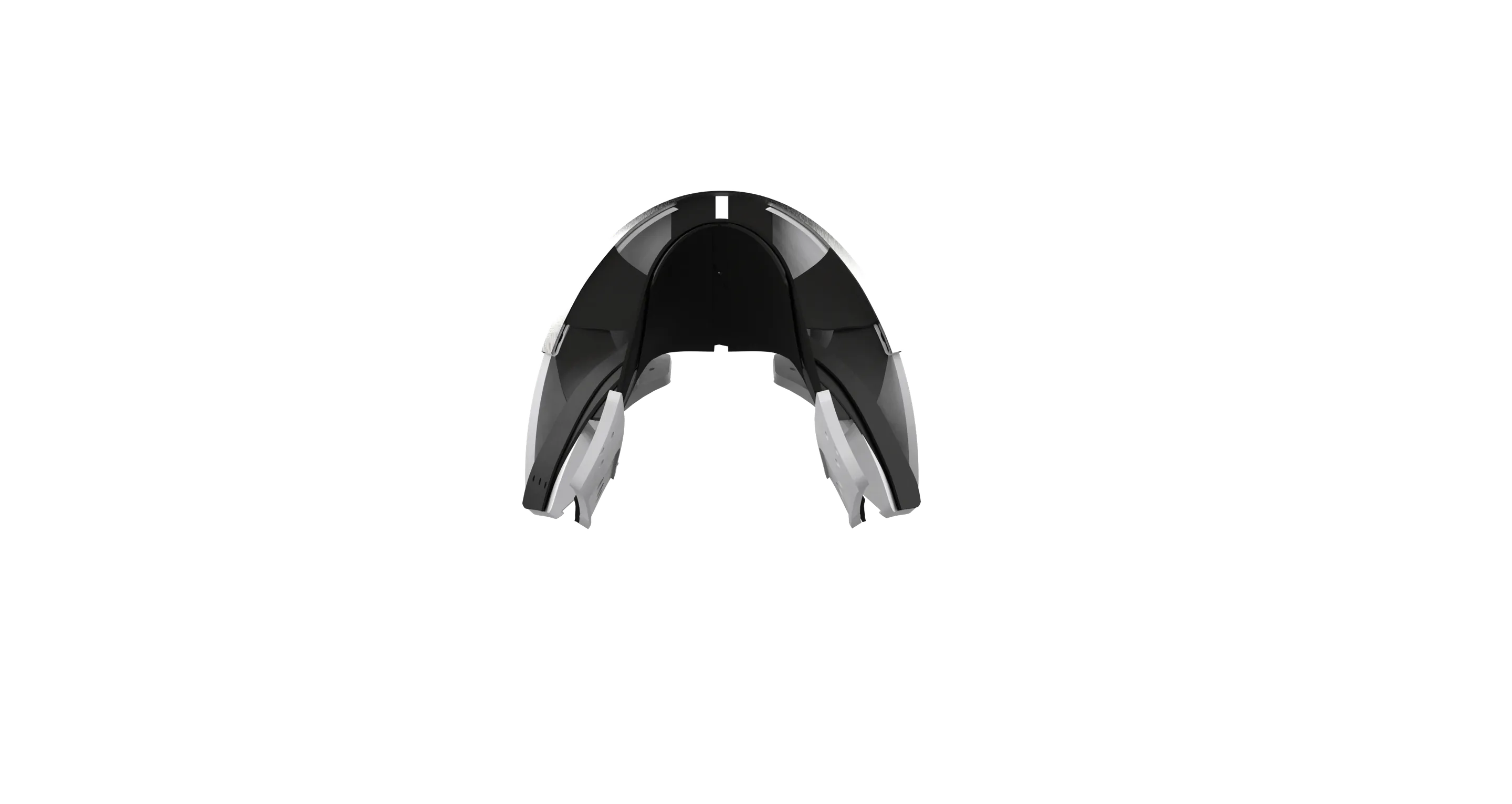
The FlexFit Tree
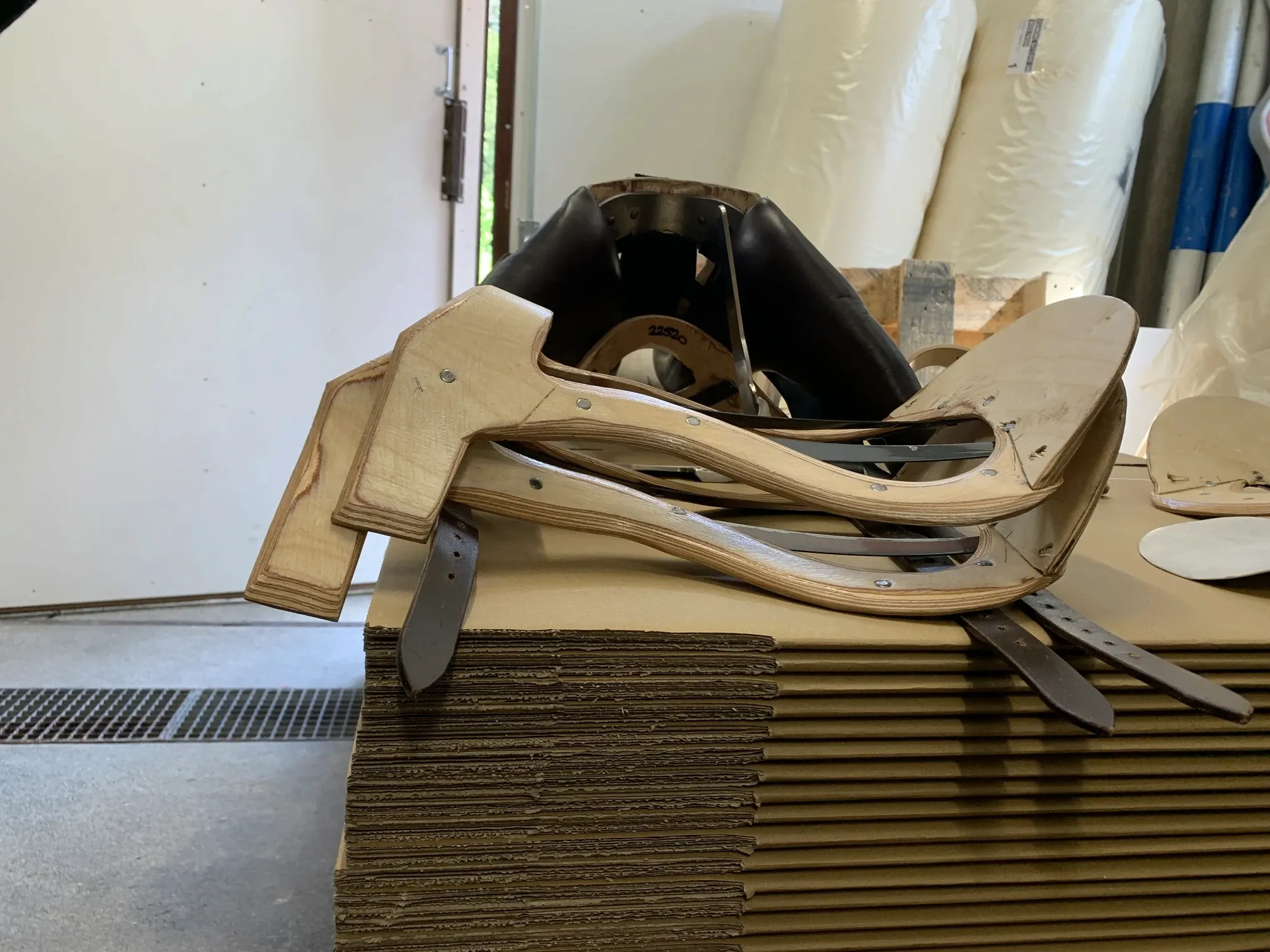
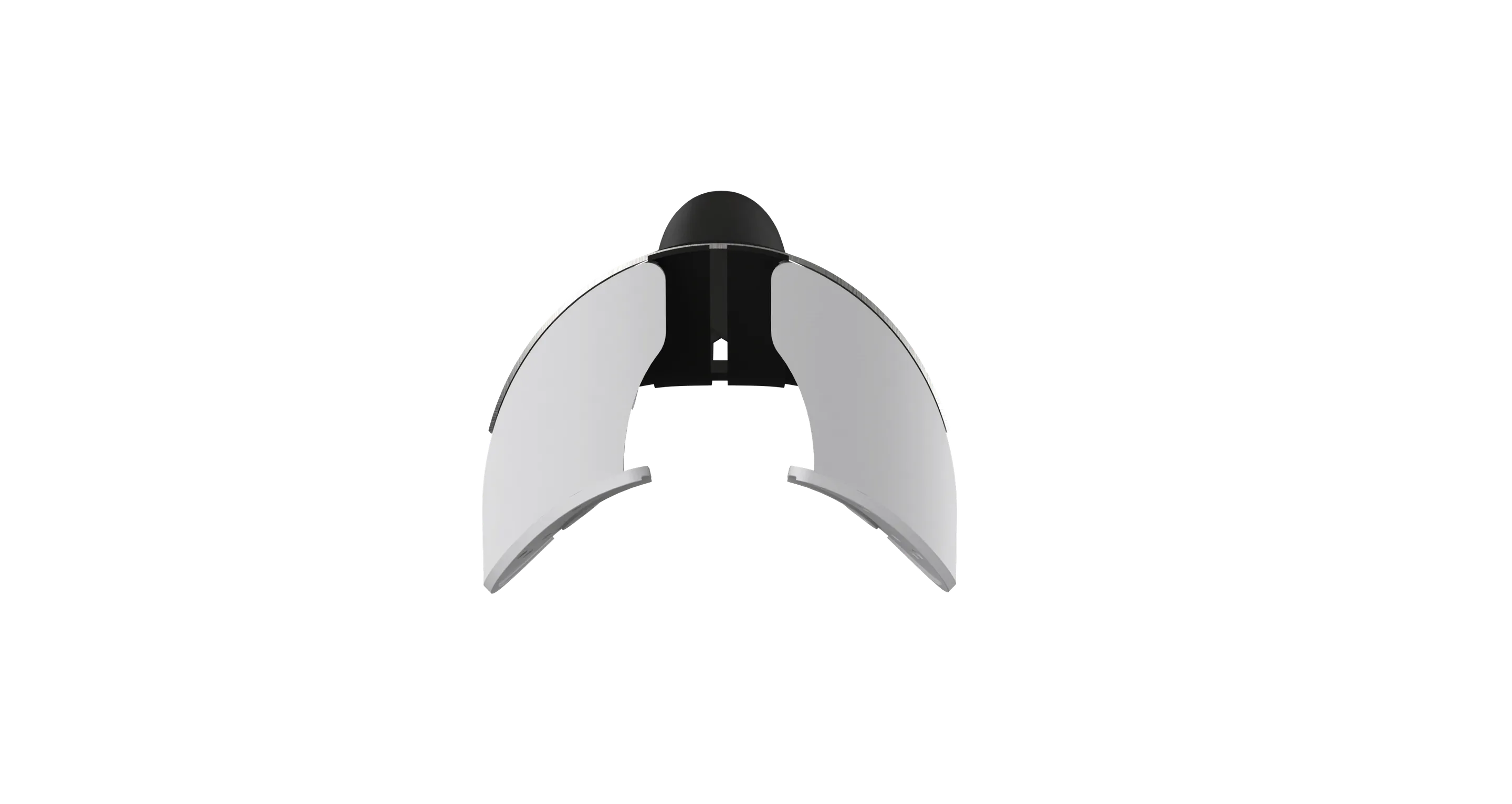
Provides an adaptive fit between the horse and rider and consists of the 3D CellPad, FlexBody, and FlexTree. The FlexTree, comprising eleven pieces, including the gullet and Flex-Steel Struts, ensures weight distribution and flexibility. The AdaptPad is customizable with a padded cover made of sustainable leather and compartments for different types of cushioning materials, such as gel pads, memory foam, and harder foam. Its configuration depends on the sport type and the rider’s inseam length.

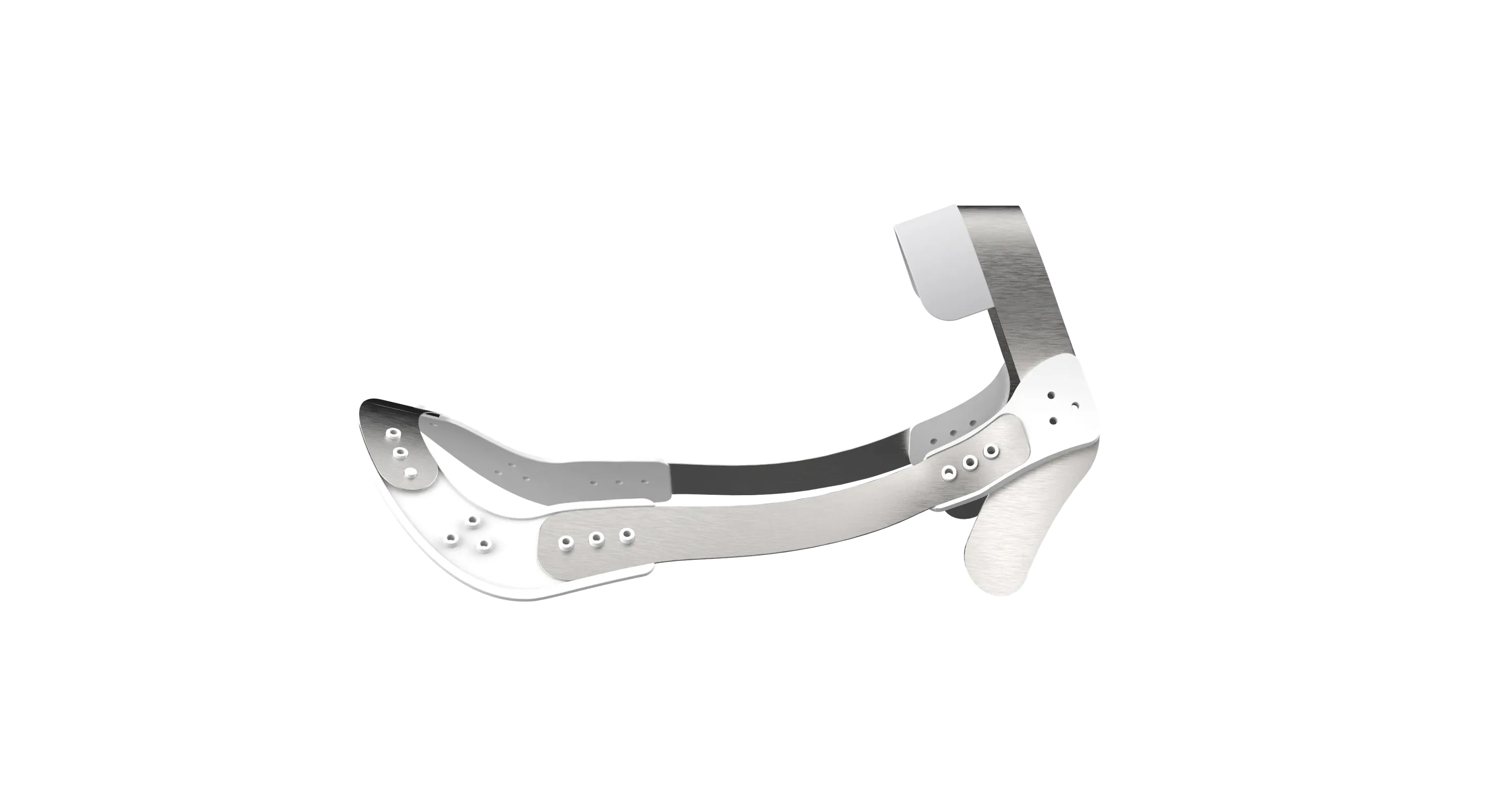

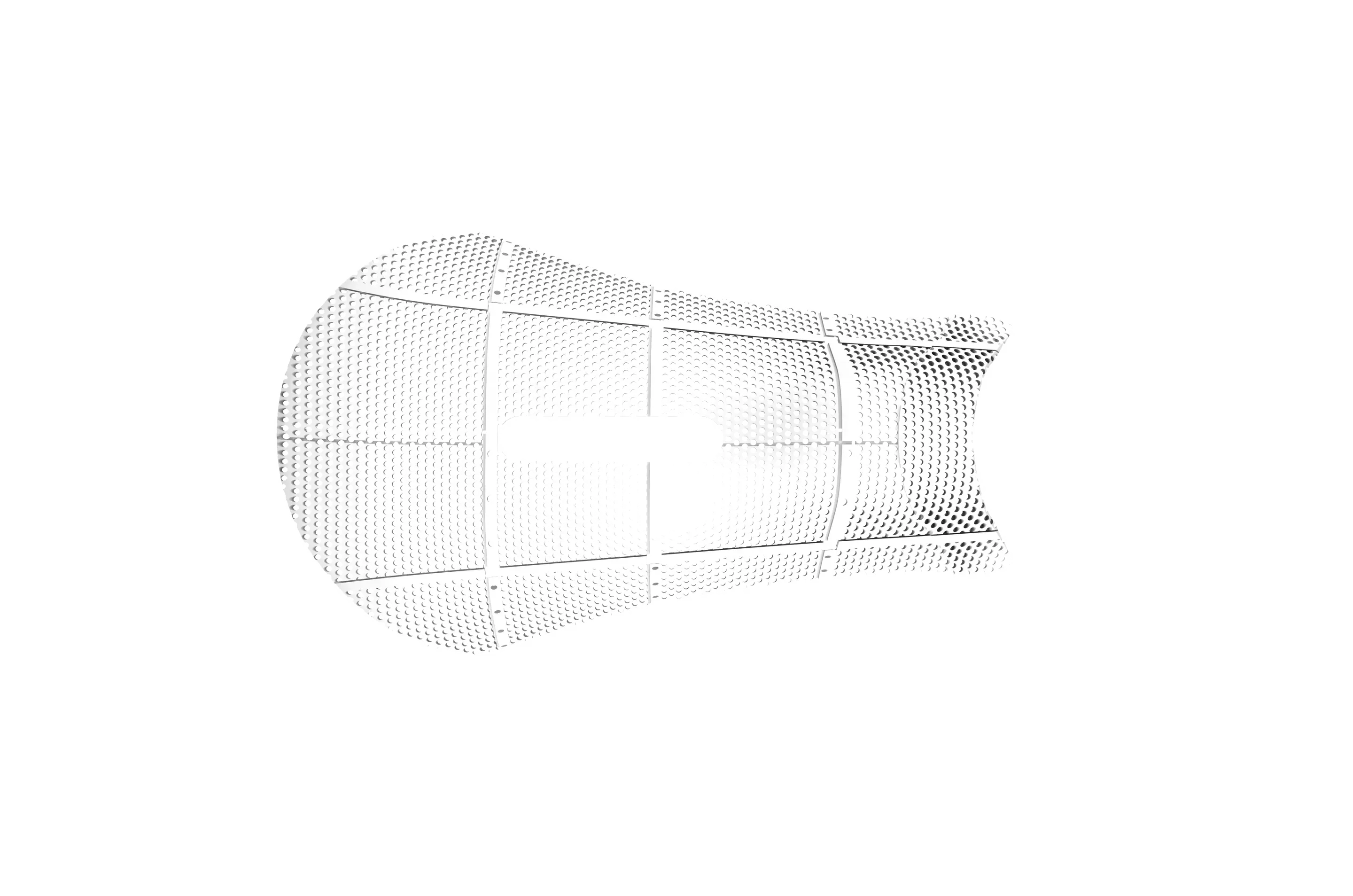
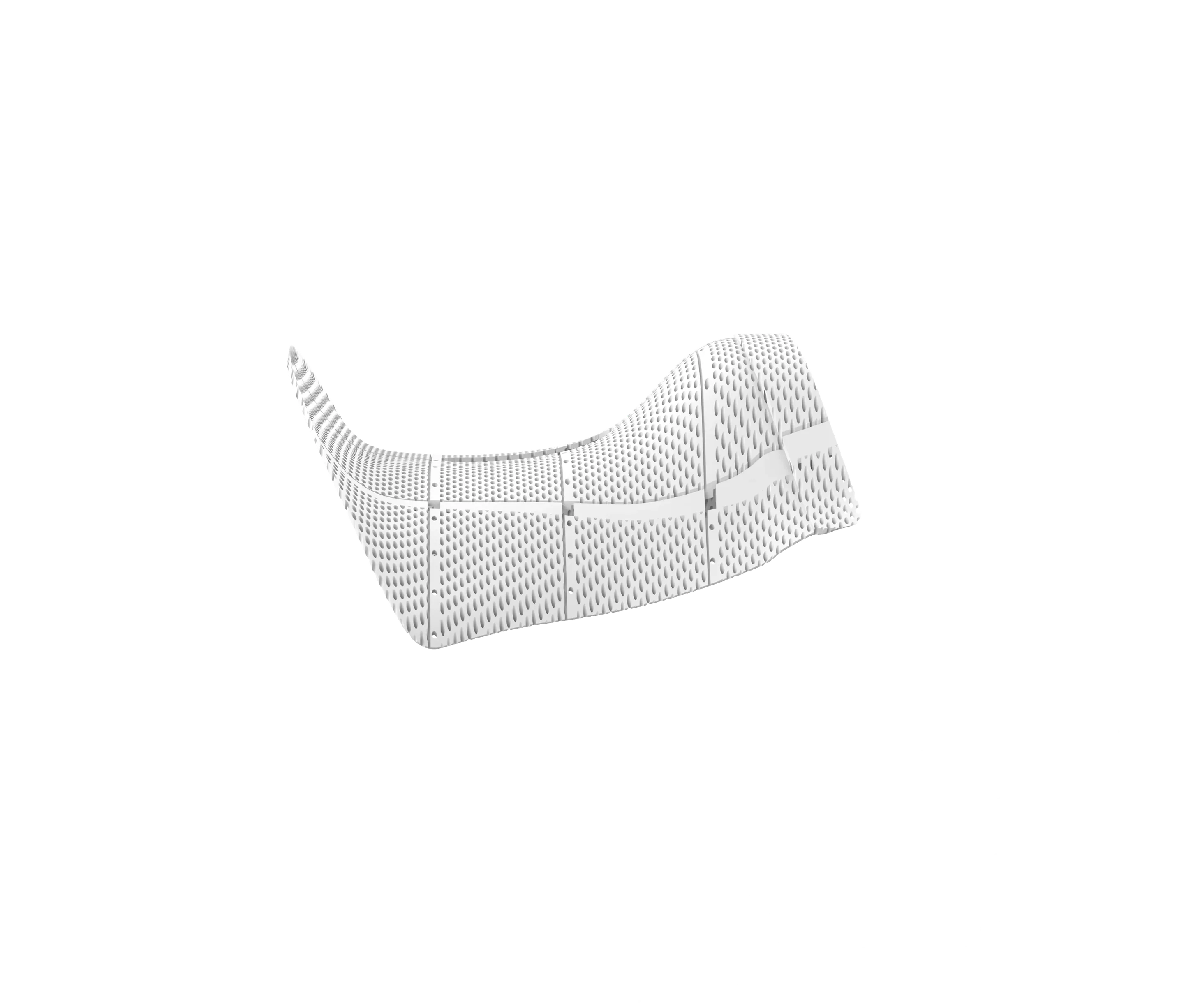
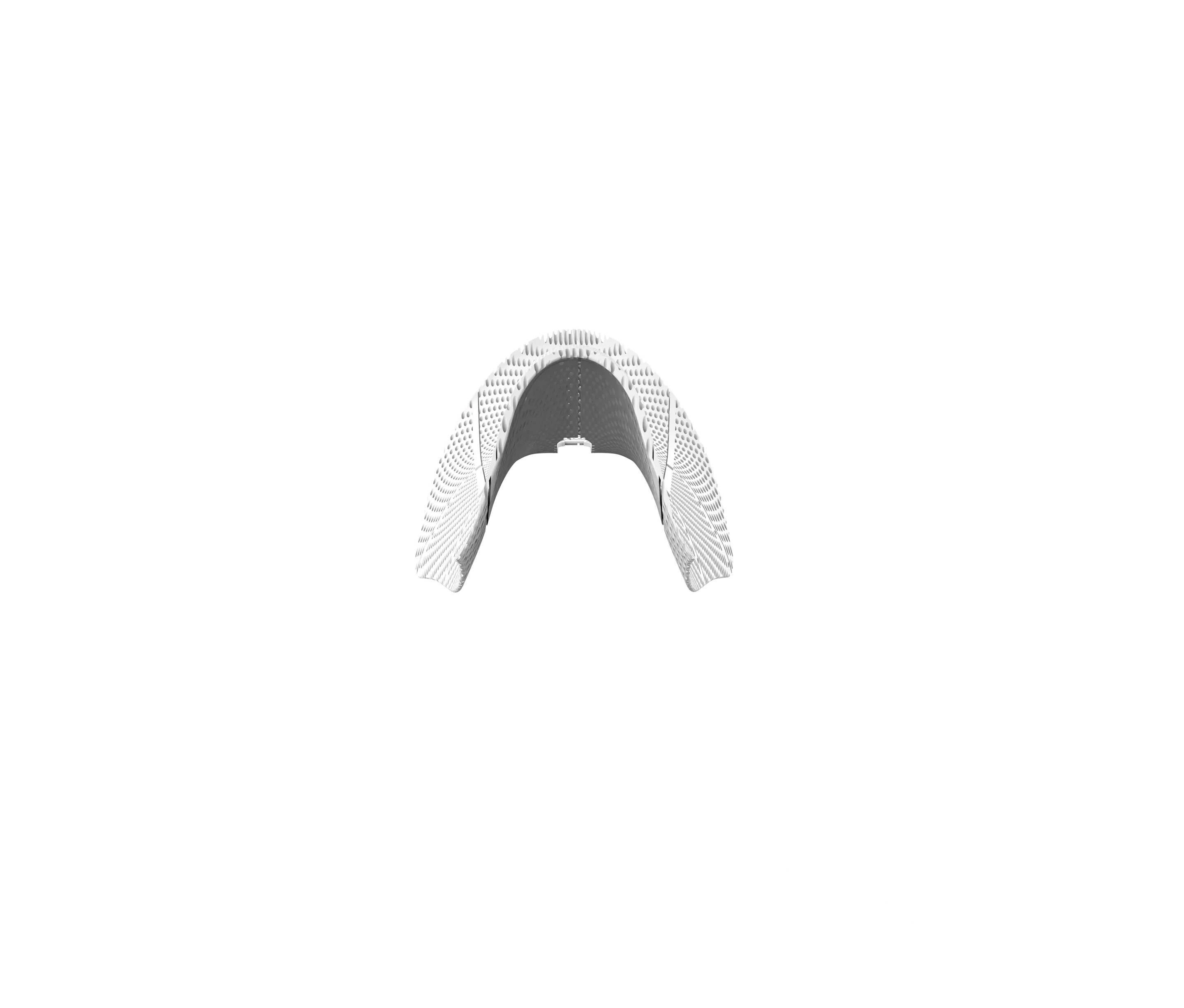
3D CellPad
Another aspect we innovated on is equal weight distribution achieved by the 3D CellPad, which is designed to compensate for the rider’s tilt in any direction (as defined by the measurements taken). Additionally, the FlexTree is designed to distribute the rider’s weight on the sides of the horse’s back and the sides of the withers. The bearing structure does not interfere with the horse’s spine and shoulder movement.
How does it work?
System Design
The following slides will break down the FlexFit system, showing how its adjustable features create a comfortable and customized fit for both rider and horse.
- FlexBody Measurements
- for Dynamic Adjustments
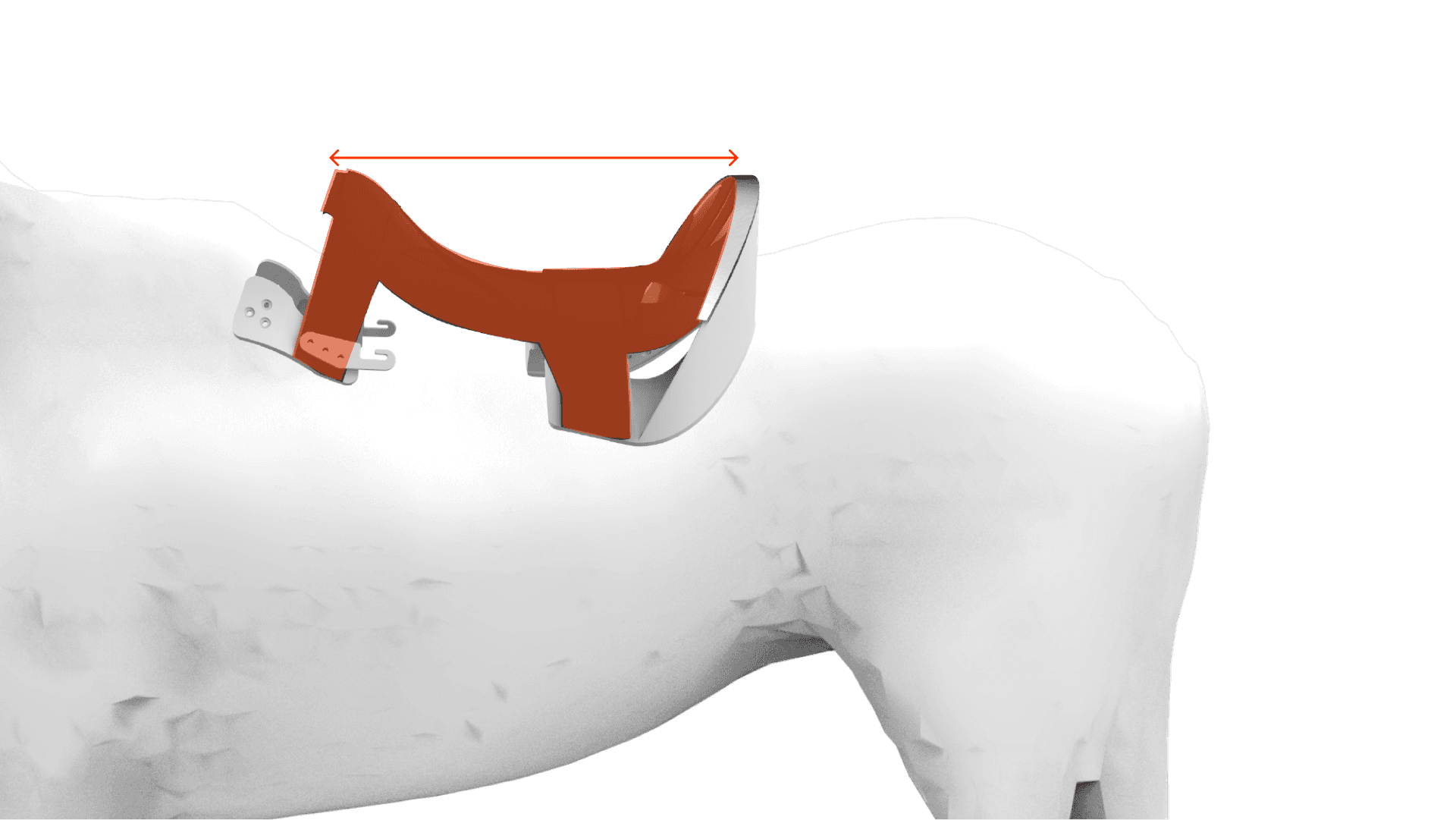
The provided measurements detail the Cantle Height, offering five size options ranging from 5cm to 15cm. Notably, there is a distinction based on gender preferences, with lower options typically suited for men and higher options for women. This ensures a personalized and comfortable fit for riders.
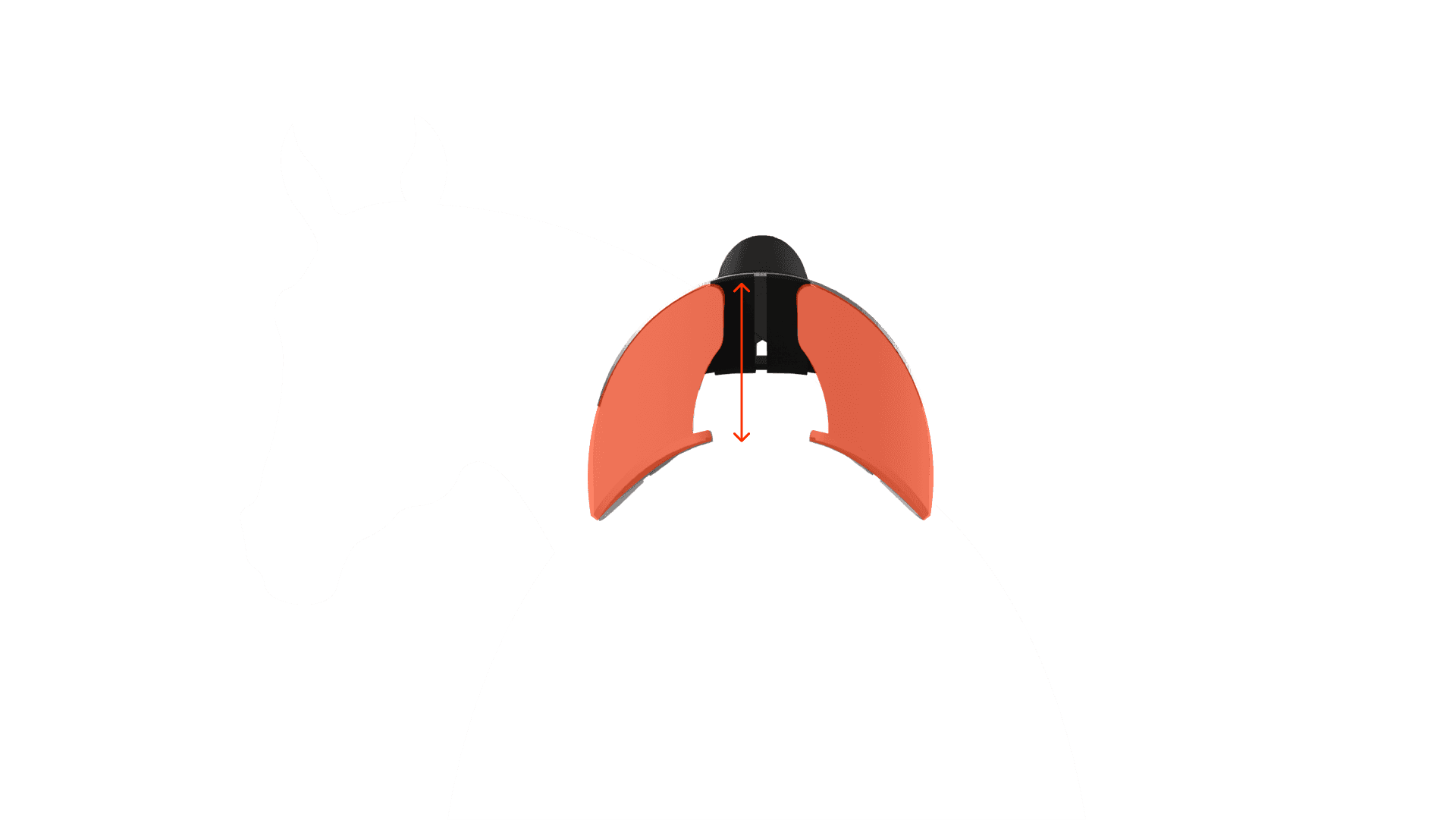
- Tailored Comfort with
- FlexBody: Polyester
- Struts and Pelvis Structure
FlexBody Measurements are applied in Polyester Struts, custom-made based on the individual's Pelvis Structure. This design ensures adaptability, providing personalized comfort for each user.
- FlexBody Measurements
- for Dynamic Adjustments
The FlexBody measurements focus on the Deering aspect, indicating the change in length. This feature allows for dynamic adjustments, ensuring optimal comfort and fit for users.
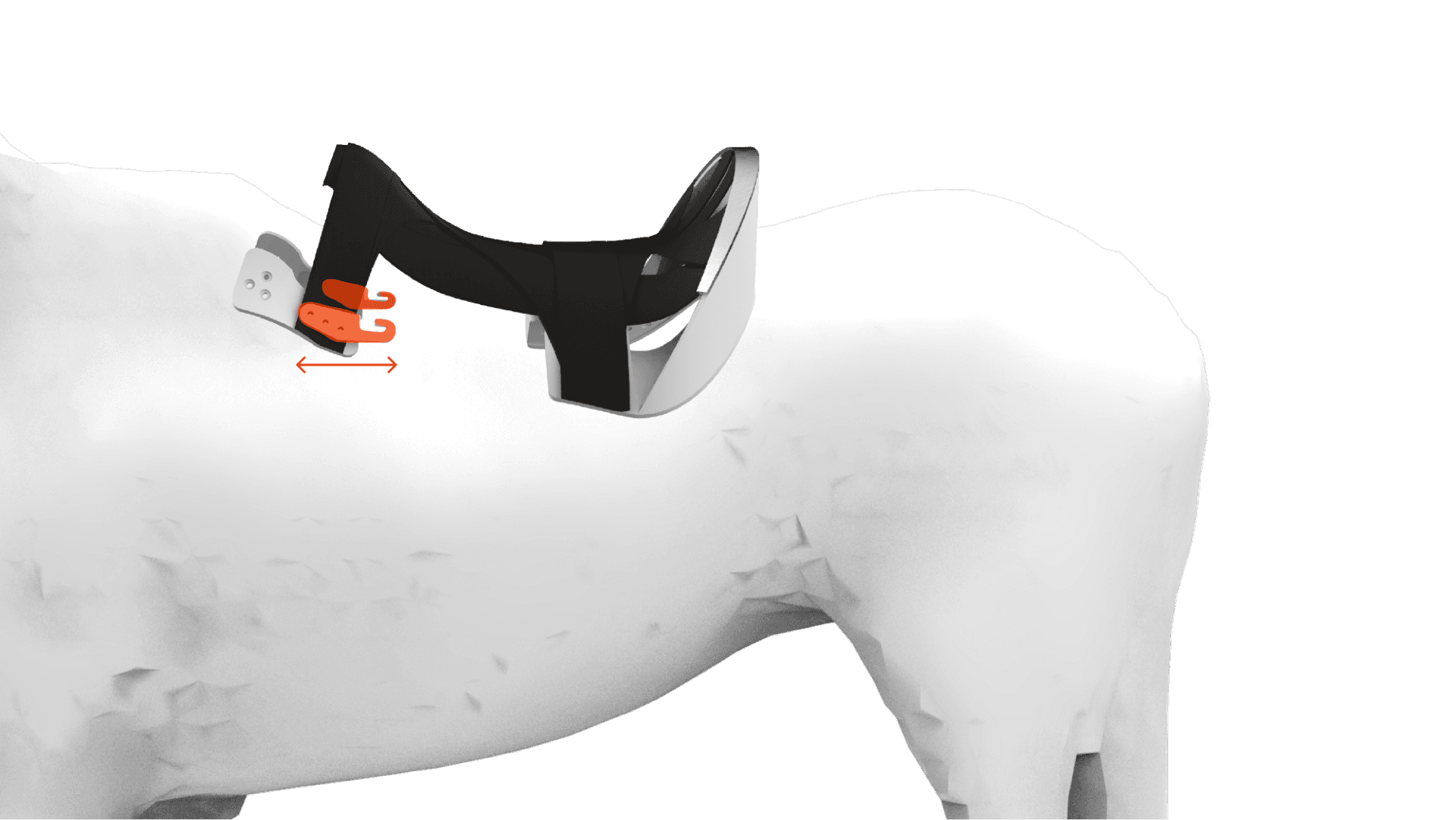
- Adaptive Support
- with FlexTree: Back
- Flex-Steel Struts
FlexTree Measurements are implemented in Back Flex-Steel Struts, offering adaptive support. The length varies based on the rider's hip width, while the thickness adjusts according to the rider's weight. This design ensures a personalized and comfortable fit for each individual.
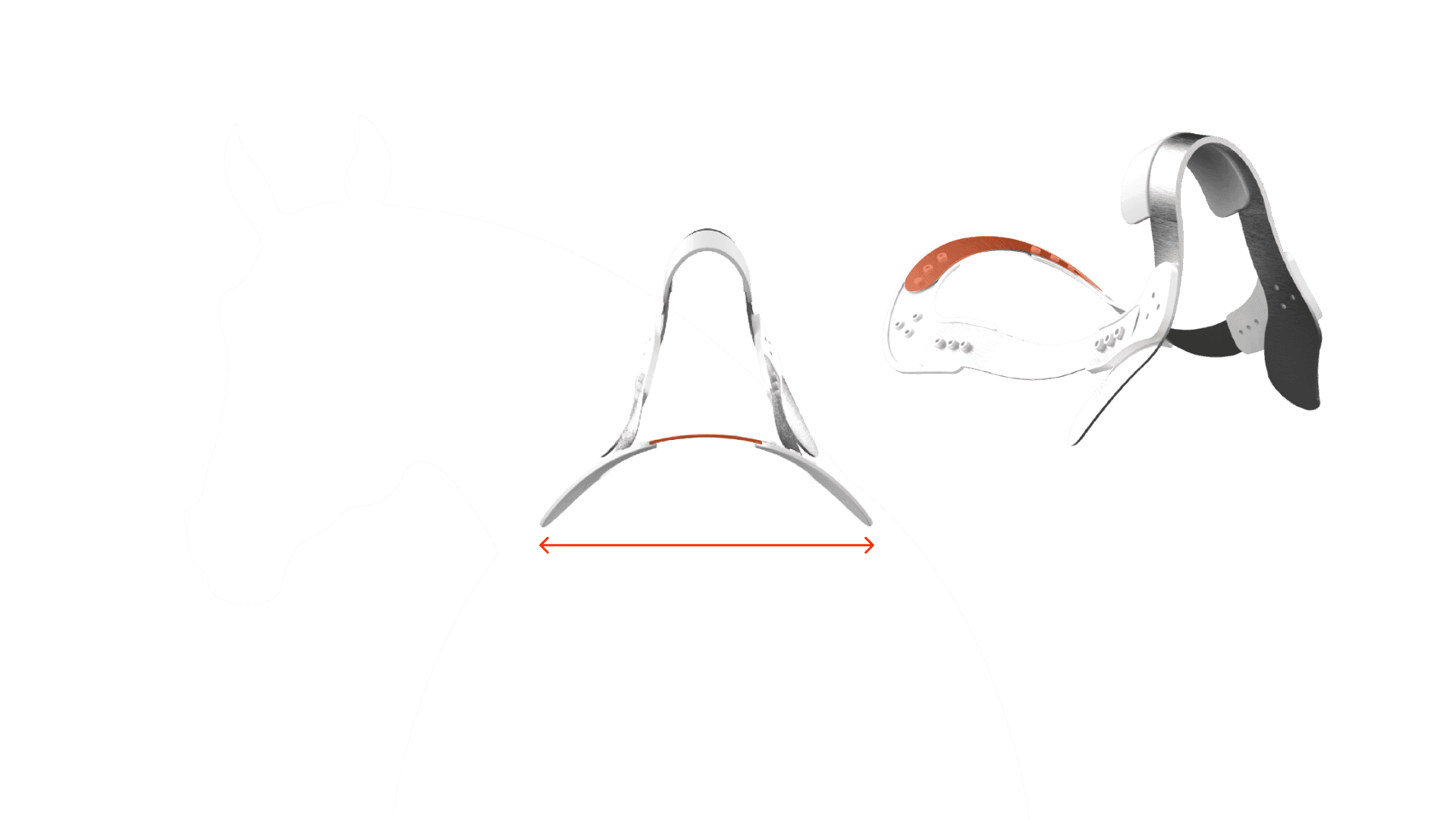
- Tailored Comfort
- with FlexTree:
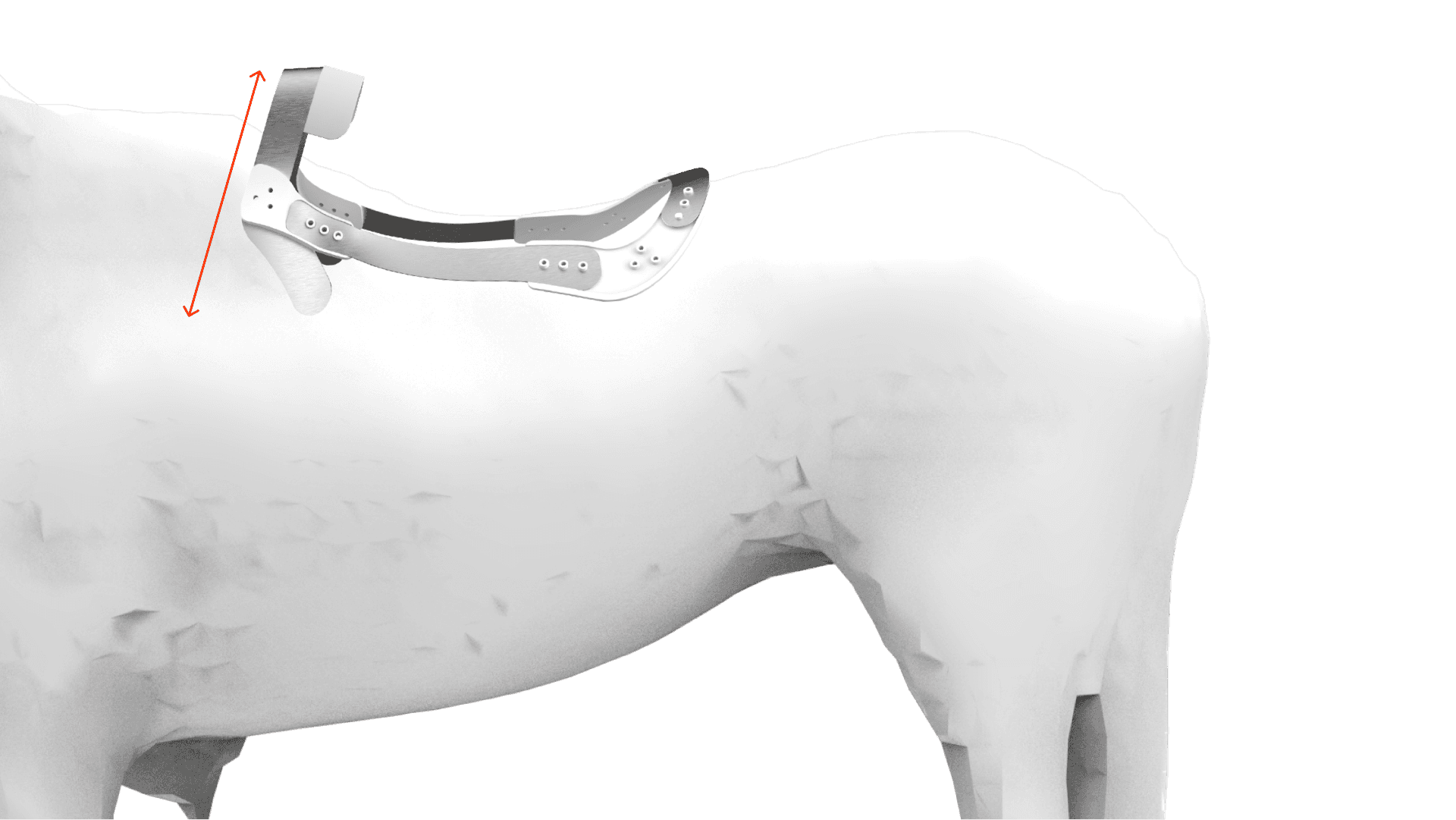
- Gullet Adjustments
FlexTree Measurements are incorporated into the Gullet, providing customized comfort for the horse. The length adapts based on the horse's withers shape, while the height of the gullet can vary depending on neck clearance and flexibility, allowing for a personalized fit with a difference of 4-6 cm.
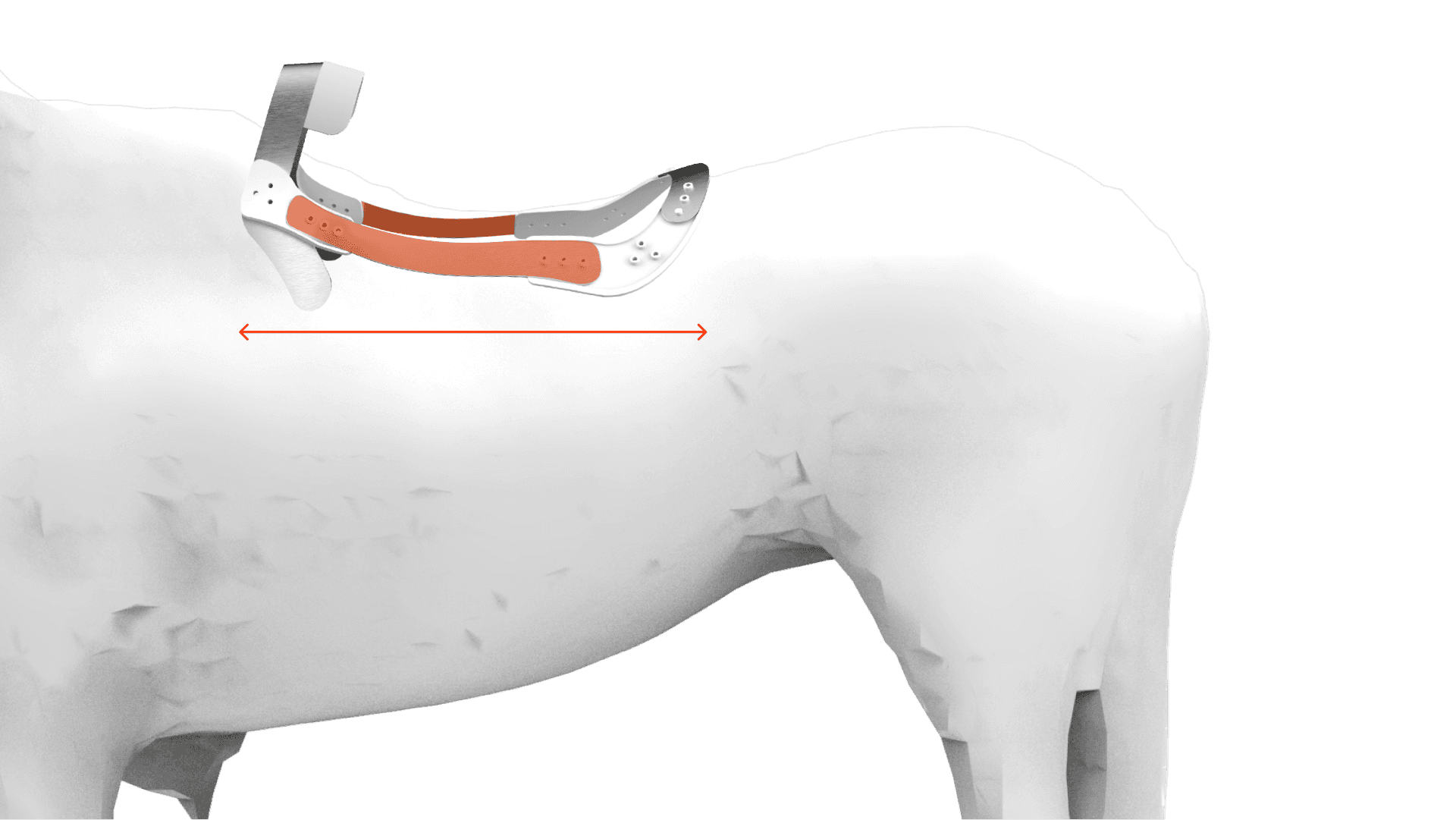
- Optimizing Support:
- FlexTree Side
- Flex-Steel Struts
FlexTree Measurements are utilized in the Side Flex-Steel Struts to provide tailored support for the horse's back. The length adjusts according to the horse's back length from the shoulder to the 18th rib, ensuring a proper fit. Additionally, the thickness varies based on the rider's weight, optimizing comfort and stability.
Reflection
The development of the saddle tree design was a rigorous process involving in-depth research, iterative prototyping, and thorough testing. By integrating advanced measurement technologies and focusing on user feedback, we created a saddle tree that meets the diverse needs of riders and horses, ensuring a comfortable and customized riding experience.
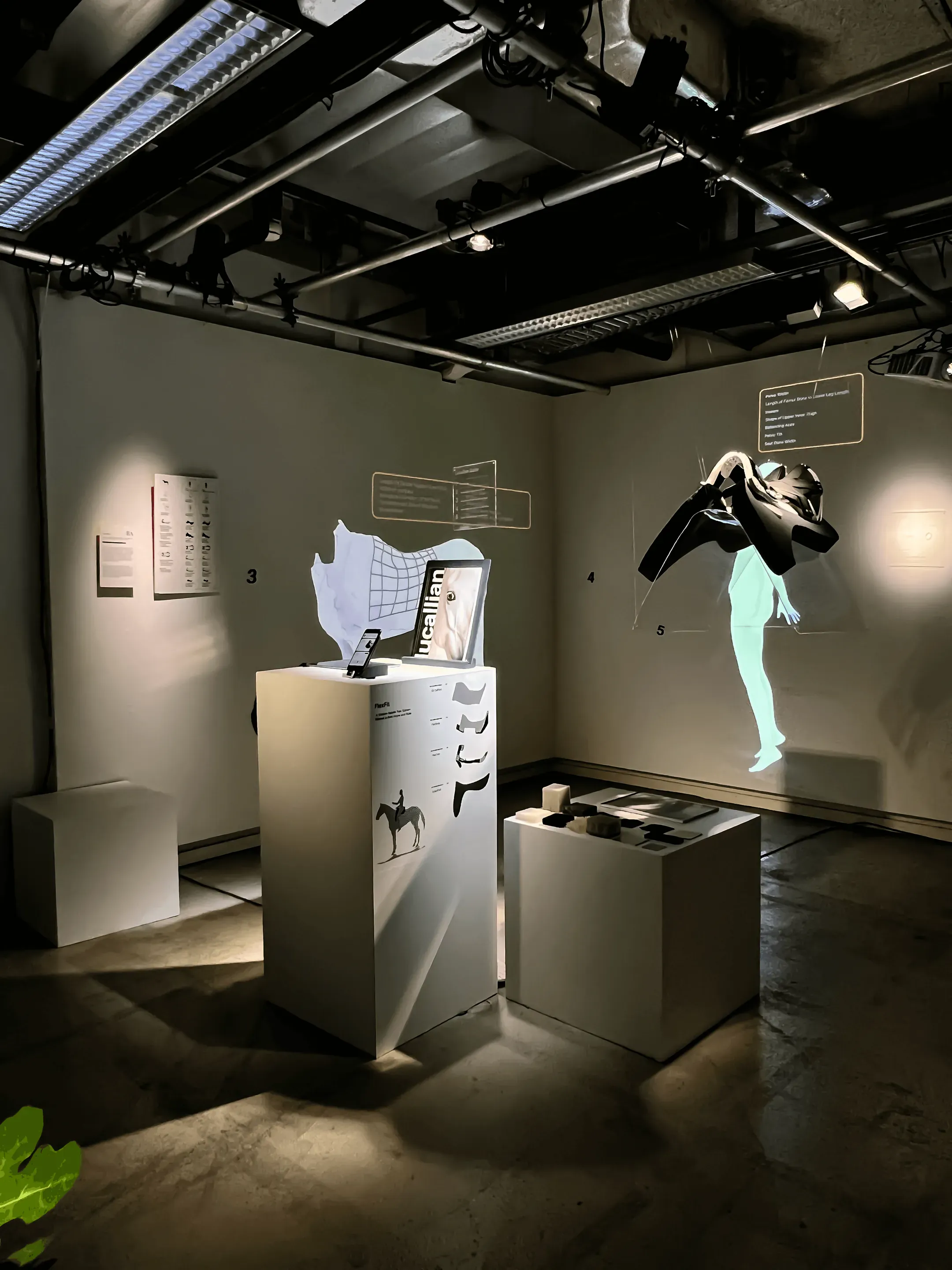
Exhibition
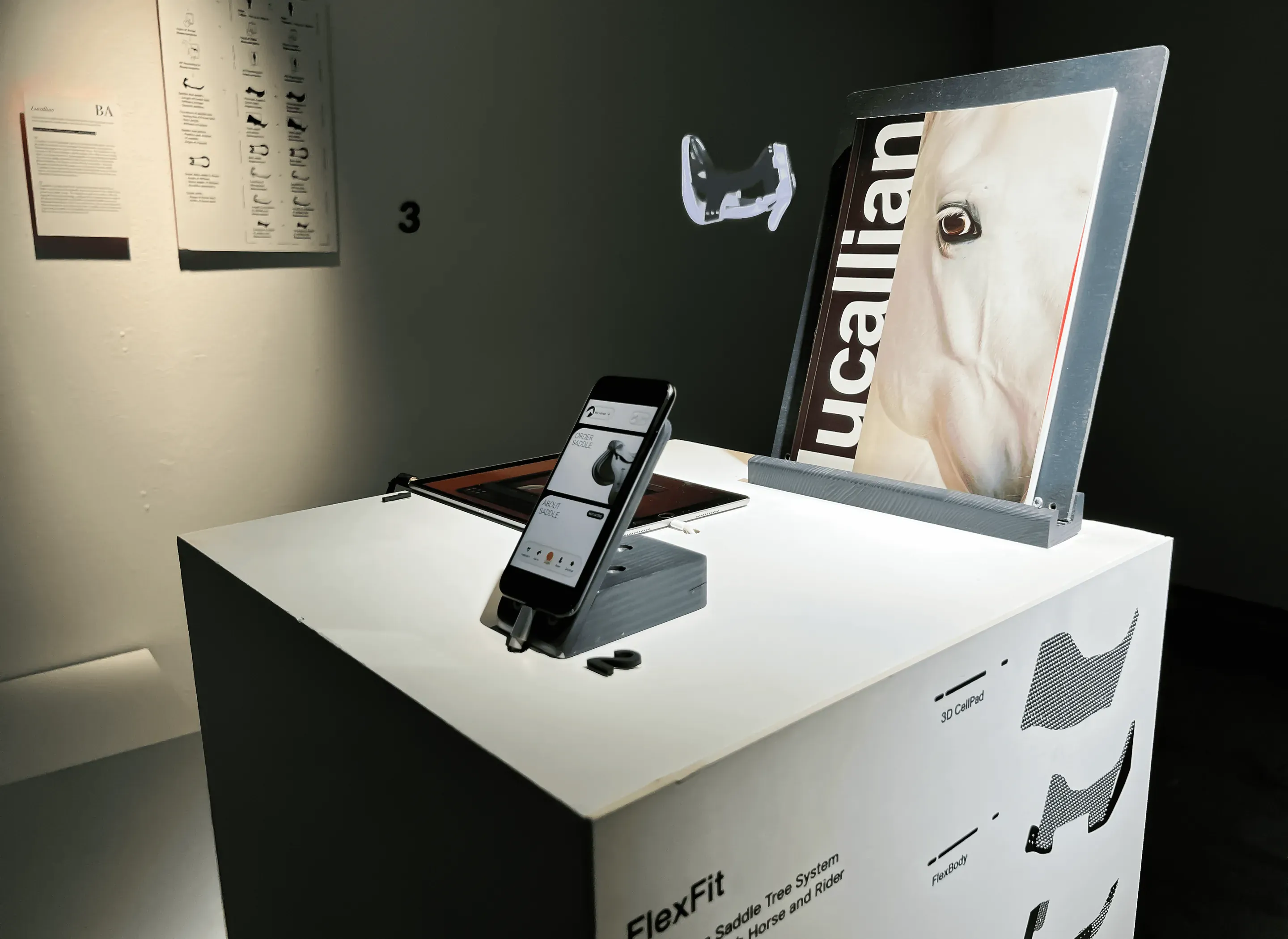
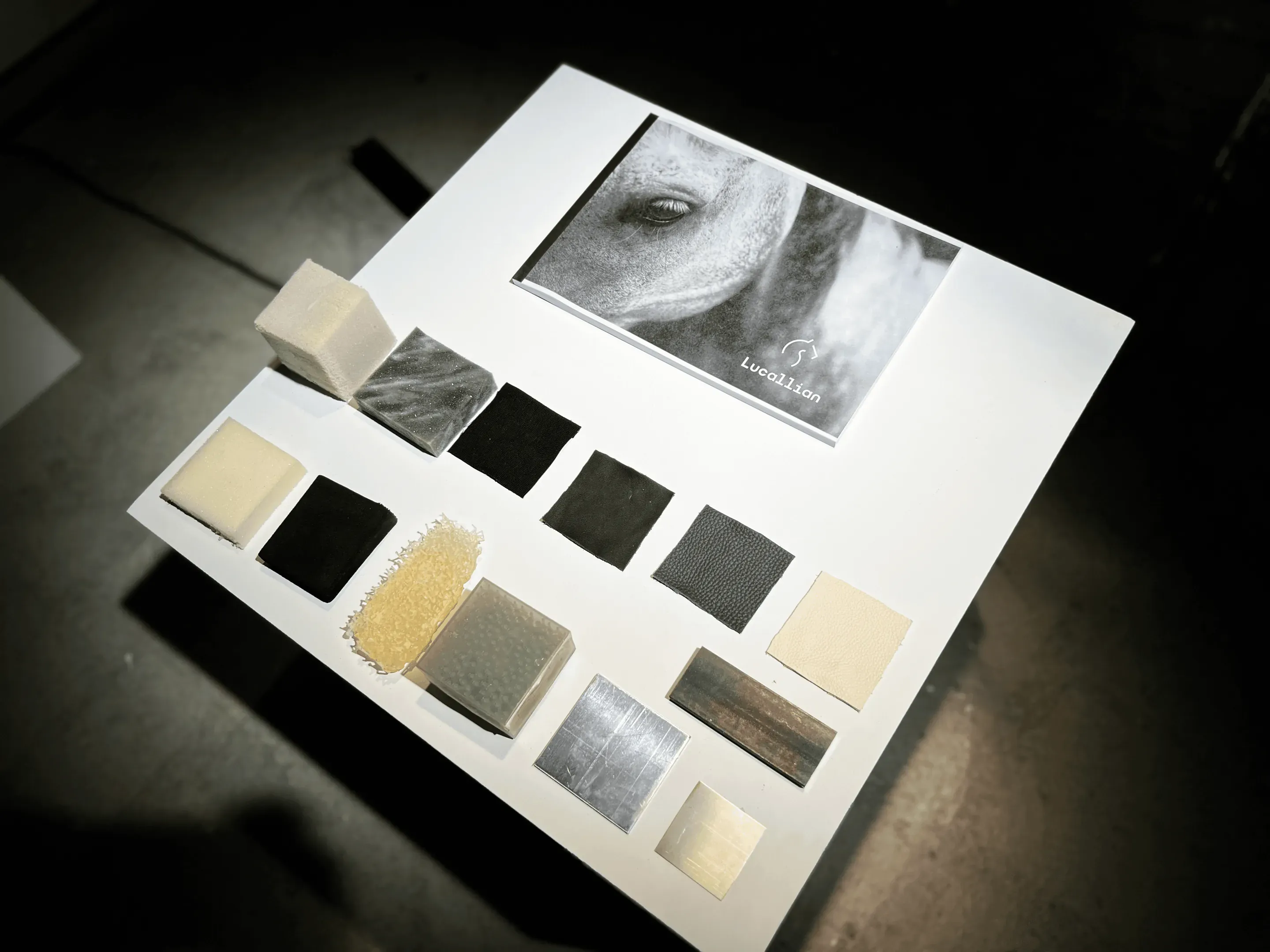
Here you can see our exhibition from June 2023.
Softwares
We use a versatile toolkit including Figma, Miro, Alterego, Adobe Suite (Photoshop, Illustrator, InDesign), Adobe Premiere Pro, After Effects, DaVinci Resolve, Fusion 360, Blender, Keyshot, Cinema 4D, and Framer for a wide range of creative needs.